Varun Gandhi, BJP national general secretary and a Lok Sabha MP
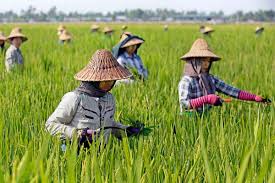
The rains have fallen short. An agrarian crisis is seemingly upon us. The Green Revolution was supposed to take care of everything. It was supposed to reduce dependence on the fickle monsoon, increase production, boost employment, cut down rural poverty and deter urban migration. India’s agrarian population rose by nearly 50% between 1980 and 2011 and now employs half the country’s workforce. Transporting food has never been more costly. Government support remains minimal, given high weather risks and market barriers.
The peasant produces what he can, but sells at a distress price in the market. The government’s minimum support prices for 27 commodities, including wheat and rice, have so far helped feed India. Ironically, this impoverishes the rural poor, leading to more debt with higher borrowing costs. Traditional farming is not economically viable anymore.
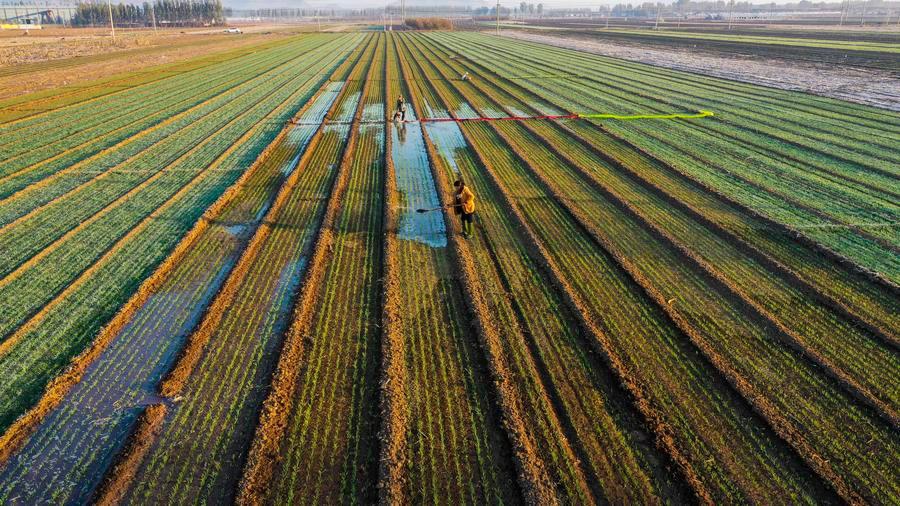
India’s irrigation is inadequate; it is vulnerable to climate change, while also being energy-inefficient. Surface irrigation in India is badly managed with extensive levels of water-logging. Just 40% of actual farm area is irrigated despite more capacity. Groundwater distribution, on the other hand, is not equitable. Those with better pumps and economic clout extract disproportionately more water from groundwater aquifers. Negative externalities, like rising salt concentration, can reduce drinking water and irrigation access. Despite substantial investment and subsidies, high transactional costs prevent farmers from adopting new technologies.
Drip irrigation can be the answer to our irrigation deficits. By extending the surface irrigation network and providing fiscal incentives for the adoption of drip irrigation, water coverage can be improved. Rainwater harvesting and groundwater recharging initiatives can also contribute in building resilience and improved productivity while conserving energy consumption.
The government does not need to be in the business of food pricing and distribution. India’s institutional mechanisms for agriculture have been good conceptually, but have failed to create tangible impacts. National Agricultural Cooperative Marketing Federation of India Ltd (NAFED) is charged with developing competitive markets in agriculture through assistance with marketing and processing. But it has not been able to tackle recent bouts of prices and market gridlock in commodities like onions, for instance. Greater access to commodity markets and futures would ease this problem. Wholesale markets should be run through a system of secret written bids which are publicly opened, protecting growers’ interests instead of being susceptible to rigging.
The private sector remains befuddled by inconsistent regulation. Take warehousing, for example. The Essential Commodities Act allows the government to regulate the amount of agricultural storage that private players can maintain. With low returns, few quality standards and a long market gestation period, private interest is easily constrained. Greater government support to entrepreneurs and rationalised regulation could help boost India’s agricultural exports.
The government can do more to address the problem of India’s farmland fragmentation. Innovations like farmers’ clubs and joint liability groups can help reduce risk and lower producer inputs. Contract farming should be encouraged while greater information access about practices, input costs and market prices can be provided. A long-term rural credit policy with flexibility for droughts or flooding will help encourage banking networks and reduce market distortions. Subsidies for crop insurance would address weather risk and help institutionalise the practice of insuring against price and cost volatility.
Some traditional practices like crop diversification, land levelling and mulching remain relevant. Sustaining such inexpensive practices will reduce input costs, prevent erosion and enhancing soil nutrients. Agroforestry should be encouraged as it will improve resource efficiency and enable carbon sequestration. Modern practices like systemic rice intensification (SRI) and soil fertigation should be encouraged.
Rural wages have gone up through the MGNREGA but that has reduced incentives to produce agricultural crops. With reduced common resources such as forests and grazing lands, it is becoming increasingly expensive to rear animals. Climate change will also affect us badly. Nearly 70% of our arable land is drought-prone, with about 12% to floods and 8% in the cyclonic zone. Any temperature rise will lead to a drop in agricultural yield. With agriculture contributing nearly 20%of India’s CO2 emissions, this is a vicious circle.
India already has a dedicated entity, the National Mission for Sustainable Agriculture (NMSA), to promote “sustainable agriculture”. While successful at identifying challenges, its failure to find and encourage innovative solutions and address inefficient agricultural practices is a cause for concern. It needs to create agricultural innovation clusters, addressing the needs of big and small farmers. With the livestock sector’s major contribution to food intake and agricultural emissions, innovations like feed quality improvement and health and reproduction management could increase productivity, build resilience, and slash emissions.
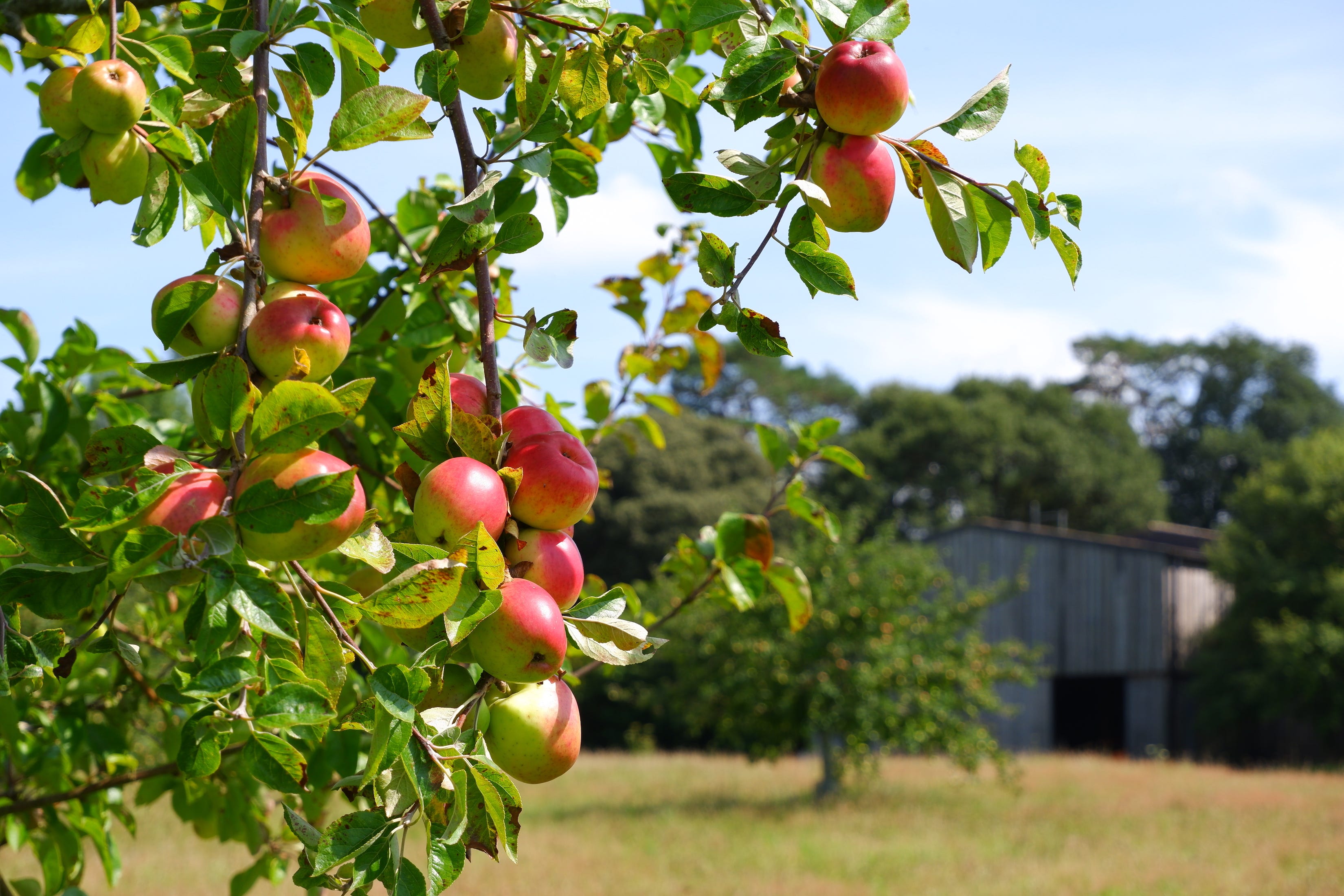
We need a commercial approach to agriculture. Farmers need to be encouraged to switch to more diverse and high-value crops like fruits, while incentives are provided for new technology adoption and mechanisation. Pricing and input costs need to be market-driven, with farmers encouraged to get organised for better bargains and pricing power. The revival of the Indian economy requires agriculture to grow. Poor small farmers, who are vulnerable to the incoming drought, need to be supported, while institutional reforms are carried out. Institutional reform of the agriculture sector is urgently needed.
Source - http://www.hindustantimes.com/