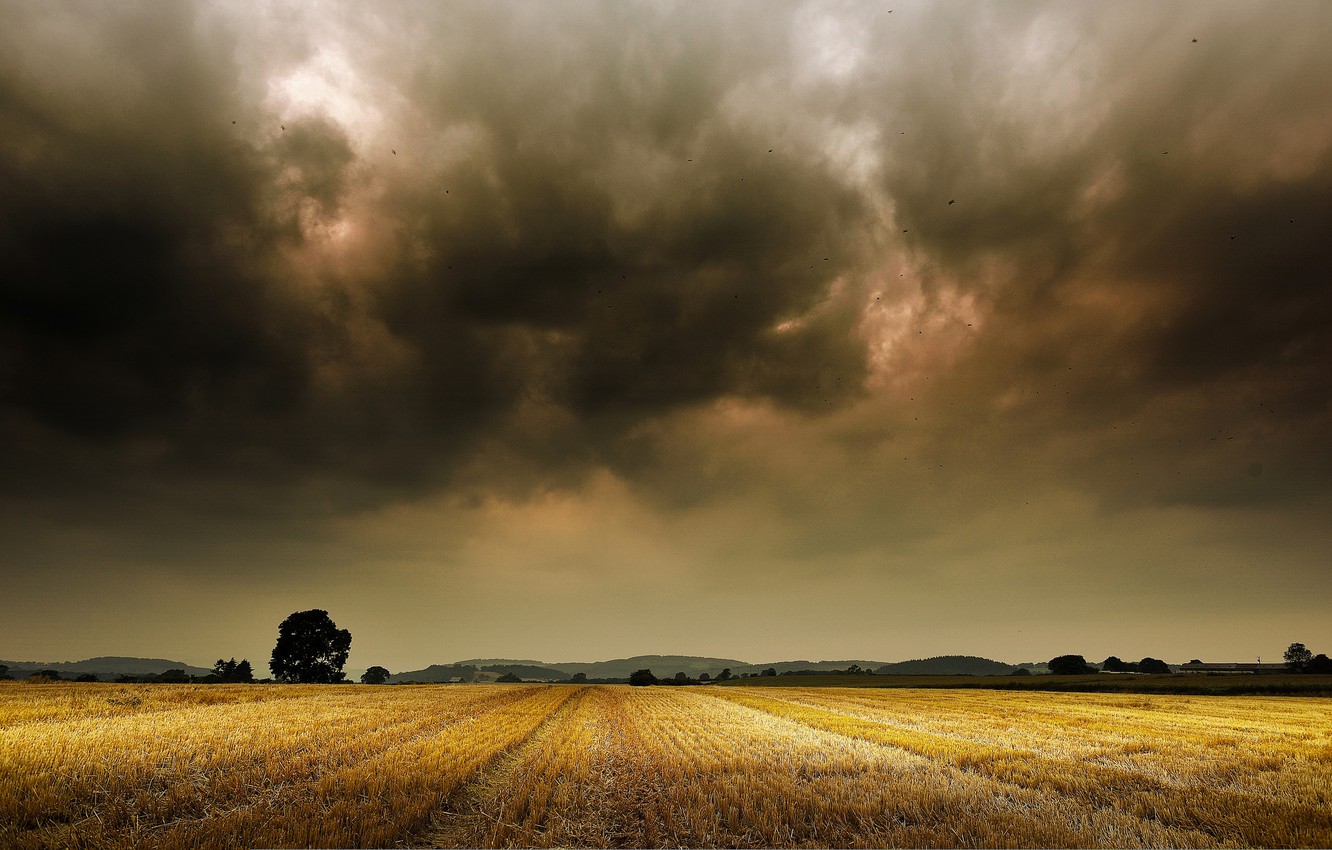
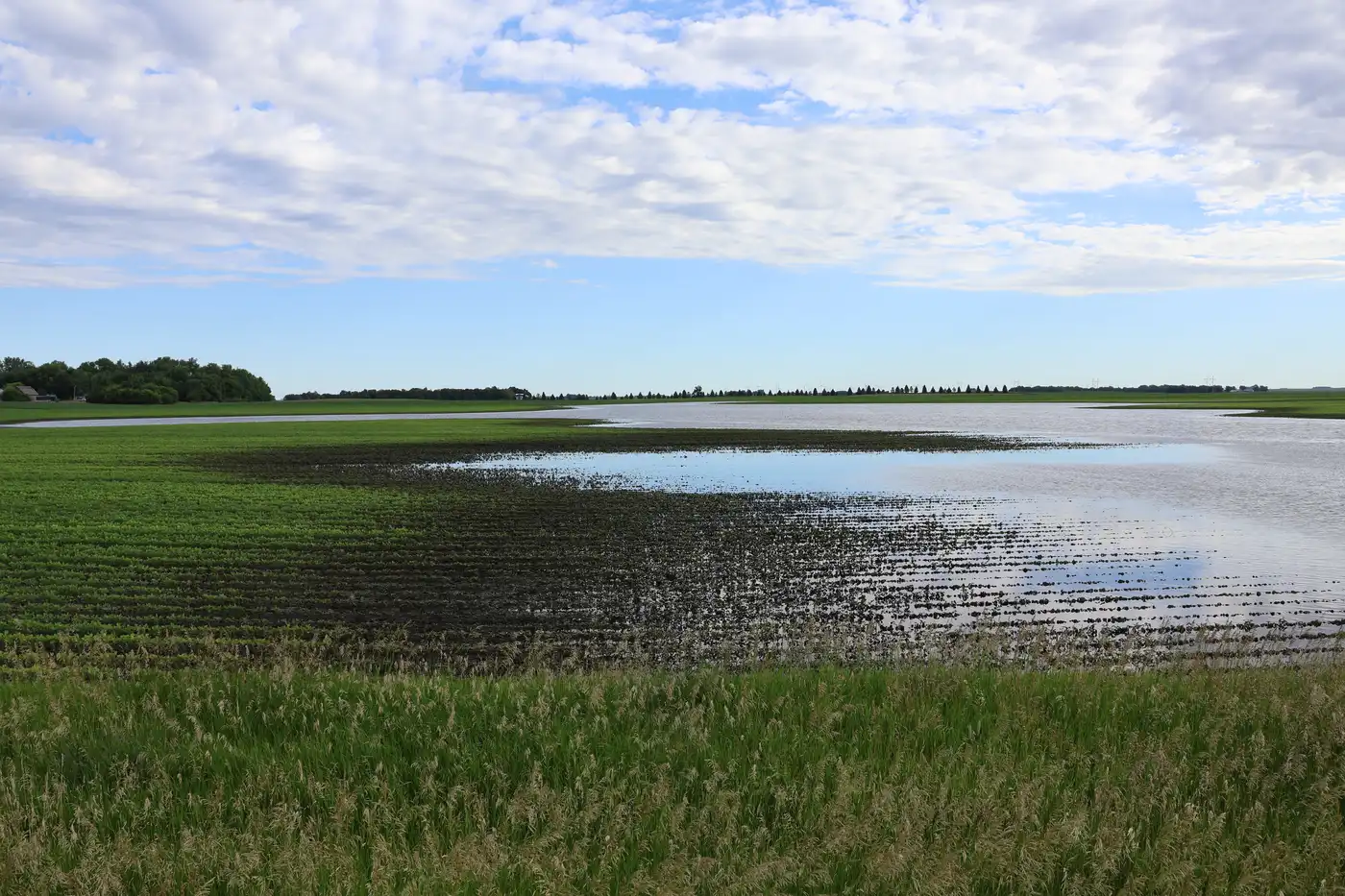
Turkey has been affected by drought, heavy rain and frost this year and it was the farmers and their crops that were most affected.
A report by the Turkish Union of Agricultural Chambers (TZOB) reveals that agricultural yields have dropped significantly in some regions and some major wetlands have dried out. Due to the drought, trees in Malatya, the home of Turkey's apricot crop, failed to produce fruit. Olive trees did not blossom because of heavy rain in Gemlik and wheat yields were low in Ankara because of drought. The Meke Gölü crater lake, a crucial wetland area in Konya, went dry and farmers were unable to irrigate their fields. Agricultural production declined by 20 to 80 percent in some regions, including Yozgat, Manisa, Mersin, Eskişehir, Kırıkkale, Çorum, Kayseri, Samsun and Amasya. Farmers say that the damage has made them desperate. They say that postponing paying their debts is not a solution; instead, they expect systematized and lasting answers.TZOB President Şemsi Bayraktar notes that nobody is discussing the ongoing agricultural problems and that the farmers are being abandoned. He further says: “The frost in March was detrimental to the agricultural crop nationwide. Fruit production was badly affected by this frost. We experienced a 90 percent decline in production. The prices are well above seasonal averages and our farmers are experiencing great difficulties. These are pretty important problems. We need to offer solutions, but the only thing we are discussing is the presidential election.”‘Only 4 trees out of 700 produced fruit'
Until now, Malatya has provided 20 percent of the world's apricots. However, 95 percent of the apricot trees were affected by a severe frost on the night of March 30 and then by subsequent drought. The total production dramatically declined from 428,310 tons in 2013 to just 30,250 tons. Mahmud Özdemir, who has been producing apricots since 1972, has 700 apricot trees in his field. Özdemir usually harvests 150 kilos of apricots from each tree, but this year only four of the 700 trees produced fruit following the frost and drought. Özdemir added that the Agricultural Insurance Pool (TARSİM) is not helping solve their problems.
Some still believe that Malatya's future depends on apricots, and Tamer Demirel, an agricultural engineer, says that new infrastructure should be put in place. “We need dams for irrigation and we have been saying this, but nobody listens to us,” he says. Farmers recall that the frost on March 30 was the worst they had seen. Then the amount of water in Malatya's dams declined during the drought and major wetlands ran dry. Rural areas also experienced a shortage of potable water. Residents have been blocking roads to protest the shortages and farmers irrigate the fields by breaking sewage pipes. The farmers who rely on this option are desperate, they have no other choice.
Source - http://www.freshplaza.com/