By the height of last Thursday’s storm, when the hailstones pummeling her farm were the size of tennis balls, Elna Edgar knew she should brace for the worst.
Four days later, you can still hear the shock in the Innisfail-area vegetable grower’s voice as she describes watching an entire uninsured crop of peas and beans — a whole season’s worth of work — destroyed in a matter of minutes.
“It’s like your boss walking into your office after you’ve been working hard all year and saying, ‘we’ve decided not to pay you this year.’ It’s so heartbreaking, and we feel so helpless,” Edgar said.
Farmers from Airdrie to Rocky Mountain House are dealing with similar situations this week in the aftermath of a swath of severe storms that left destruction in their wake.
Olds-area farmer Jeff Nielsen estimated up to 50 per cent of his crop has been damaged. While he had crop insurance, he predicts any payout he receives will cover his input costs only.
“My barley was getting pretty mature, but you pull back all of the stalks and you can see a lot of the kernels lying on the ground now,” Nielsen said. “It’s part of farming, I guess. There’s nothing you can do about it.”
Agriculture Financial Services Corporation (AFSC) — a crown corporation that provides crop insurance to producers — has received 172 claims already and expects that number to increase by Tuesday’s deadline. Program co-ordinator Jackie Sanden said Thursday’s weather phenomenon was unusual, both because of the large size of the hailstones and because the storm system seemed to swirl around, hitting some properties three times in the course of an hour.
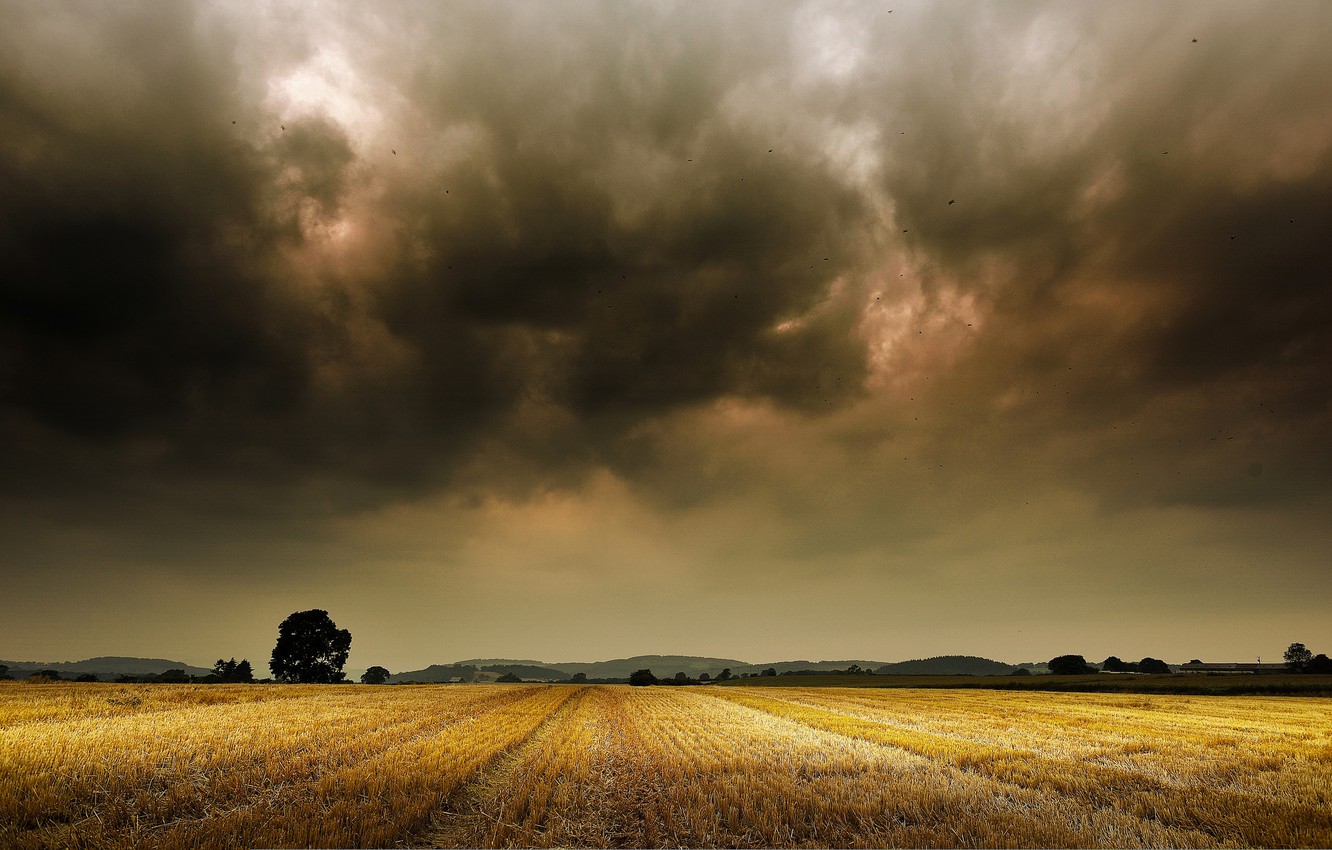
“There are fields where the hail went through where you would swear a herd of cows grazed it off or they’d already taken the combine through. It’s just mashed right to the ground — there’s nothing left,” said AFSC program co-ordinator Jackie Sanden.
Alberta gets more hail than anywhere else in Canada, due to the presence of the Rocky Mountains and their role in thunderstorm formation. The nickname “Hail Alley” refers to an area stretching from south of Calgary to north of Red Deer and west of Highway 2 into the foothills.
But the last eight years have produced record levels of damage to crops, Sanden said, with 2012 being the biggest claim year in the AFSC’s 77-year history as a provincial hail insurer. That year, $445.6 million was paid out on more than 8,400 claims. The second worst year on record was 2008, while 2013 ranked third with more than $257 million in crop damages paid out on more than 6,400 claims.
Neilsen said he never used to think of his farm being particularly hail-prone, but he was hard-hit in 2012 too and got walloped by a July hailstorm earlier this year.
“I used to always think hail followed certain paths, but in 2012 it found a new path and then again this year it’s finding new paths. Maybe our weather patterns are slowly changing on us,” Neilsen said.
Edgar echoed that sentiment — adding that in addition to the vegetables, the hail damaged the majority of the buildings on the farm and tore the leaves from the trees.
“Hail is a fact of life, we understand that,” she said. “But my mother’s 80 years old and has been farming her whole life and she’s never seen anything like this.”
Edgar added she hopes customers will stay loyal to Edgar Farms and the co-operative, Innisfail Growers, that they are part of.
“People tell me I’ve got the best-tasting peas. Well, they’re just not going to be there this year,” she said. “But we still need people to come and support us with what we do have at the (Calgary Farmers Market) booth, because we still need to pay the rent there. The whole thing has just been devastating.”
Source - http://www.calgaryherald.com/