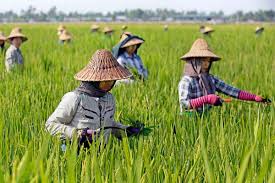
Small-scale family farmers across Africa— already struggling to adapt to rapidly rising temperatures and more erratic rains—risk being overwhelmed by the pace and severity of climate change, according to the 2014 African Agriculture Status Report (AASR).
The analysis, prepared by the Alliance for a Green Revolution in Africa (AGRA), with contributions from several African scholars, provides the most comprehensive review to date of how climate change will affect Africa’s smallholder farmers and highlights the most promising paths to producing more food, even in the midst of very challenging growing environments.
“Smallholder farmers are the mainstay of food production across sub-Saharan Africa,” said Ms. Jane Karuku, president of AGRA. “As climate change turns up the heat, the continent’s food security and its ability to generate economic growth that benefits poor Africans—most of whom are farmers—depends on our ability to adapt to more stressful conditions.”
AGRA released the report at the African Green Revolution Forum (AGRF), which has attracted nearly 1,000 scientists and representatives of businesses, governments, farmers’ organizations and civil society. The report details both the immediate ramifications and longer-term trends of Africa’s changing climate.
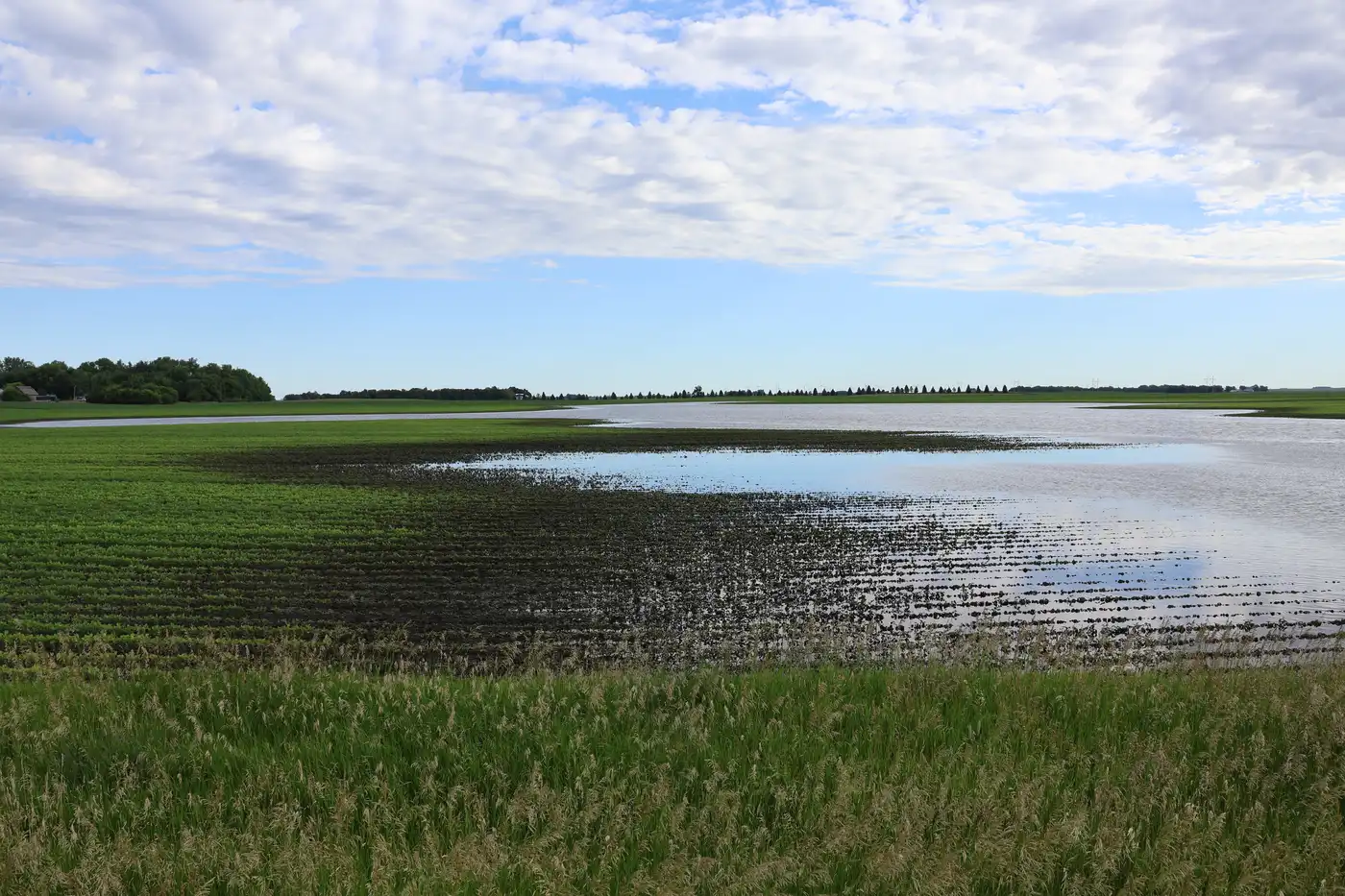
Farmers across all regions of sub-Saharan Africa (SSA) already are contending with an increase in average temperatures. Further increases of between 1.5°C and 2.5°C are expected by 2050. Scientists predict severe drying across southern Africa, while other parts of SSA are likely to become wetter, but with farmers facing more violent storms and frequent flooding.
The report notes that climate change could increase the number of malnourished people in SSA by nearly 40 percent over the next 35 years—from 223 million today to 355 million by 2050. In addition, shifting climate conditions can lower the concentration of mineral nutrients like iron and zinc in the edible parts of plants, which could intensify the already acute problem of micronutrient deficiency in SSA.
Climate change will affect both the average length of the growing season and rainfall variability. Altered growing conditions can also lower yields and, in certain areas, they could make it very difficult to grow basic food crops as climate shifts exceed what the crop can tolerate. For example, in East and Central Africa, the area suitable for growing common beans, valued as a source of protein and now cultivated on 7 million hectares, could decline by 25 to 80 percent. Land suitable for cultivating banana could fall by 25 percent in the Sahel and 8 percent in West Africa.
Such changes are already underway. Parts of Angola, for example, became un-farmable following three years of poor rainfall and drought. Increasing dryness and droughts will also affect livestock, as happened in the 1980s and 90s, when protracted drought killed up to 60 percent of cattle herds in Niger, Botswana and Ethiopia.
New research reported in the AASR also maps the regions at highest risk for more “failed seasons” as rains become more erratic. At greatest risk are the countries of southern Africa. But also threatened are Southern Sudan and a belt of farmland running from southern Côte d’Ivoire, across Ghana to Nigeria.
It will be critical for smallholder farmers across Africa to adopt a range of practices and crop varieties that scientists increasingly refer to as “climate-smart agriculture” or CSA. CSA strategies seek to sustainably increase agricultural productivity and incomes by helping farmers adapt to climate change—and thus increase the resilience of their rural communities. CSA also aims to reduce agriculture’s greenhouse gas emissions.
Farmers across Africa are already utilizing innovations that help them cope with climate risks. They are planting drought-resistant seed varieties; participating in innovative crop and livestock insurance programs that pay out when weather conditions deteriorate; and adopting soil management techniques that help their fields retain water and mitigate runoff and erosion.
Adaptation strategies also encompass strengthening land rights, particularly for women; conserving biodiversity; improving information delivery systems; mechanizing farm labor; strengthening market and weather information systems; investing in agricultural research and education; integrating formal and informal knowledge systems; and building agricultural infrastructure, such as rural roads and irrigation.
“Helping smallholders adapt to climate challenges today will prepare them for even more serious challenges in the future,” said Dr. David Sarfo Ameyaw, the managing editor of the report and AGRA’s director for strategy monitoring and evaluation. “When farmers are able to employ climate-smart techniques, it makes a huge difference. Despite climate change, there is enormous potential for smallholder-led agricultural growth. But there is an urgent need to increase investments to expand climate-smart agriculture in sub-Saharan Africa.”
Source - http://www.africasciencenews.org/