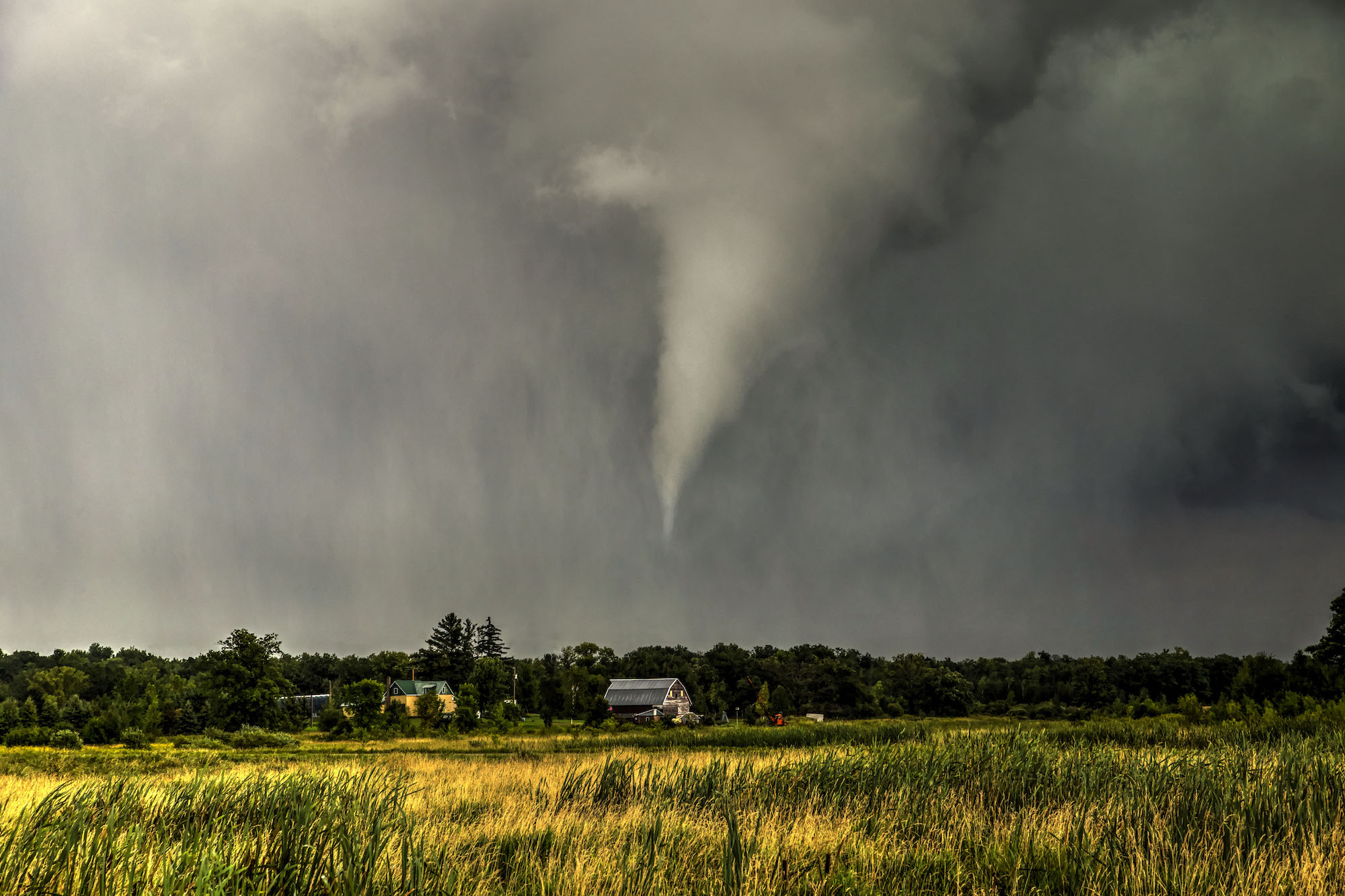
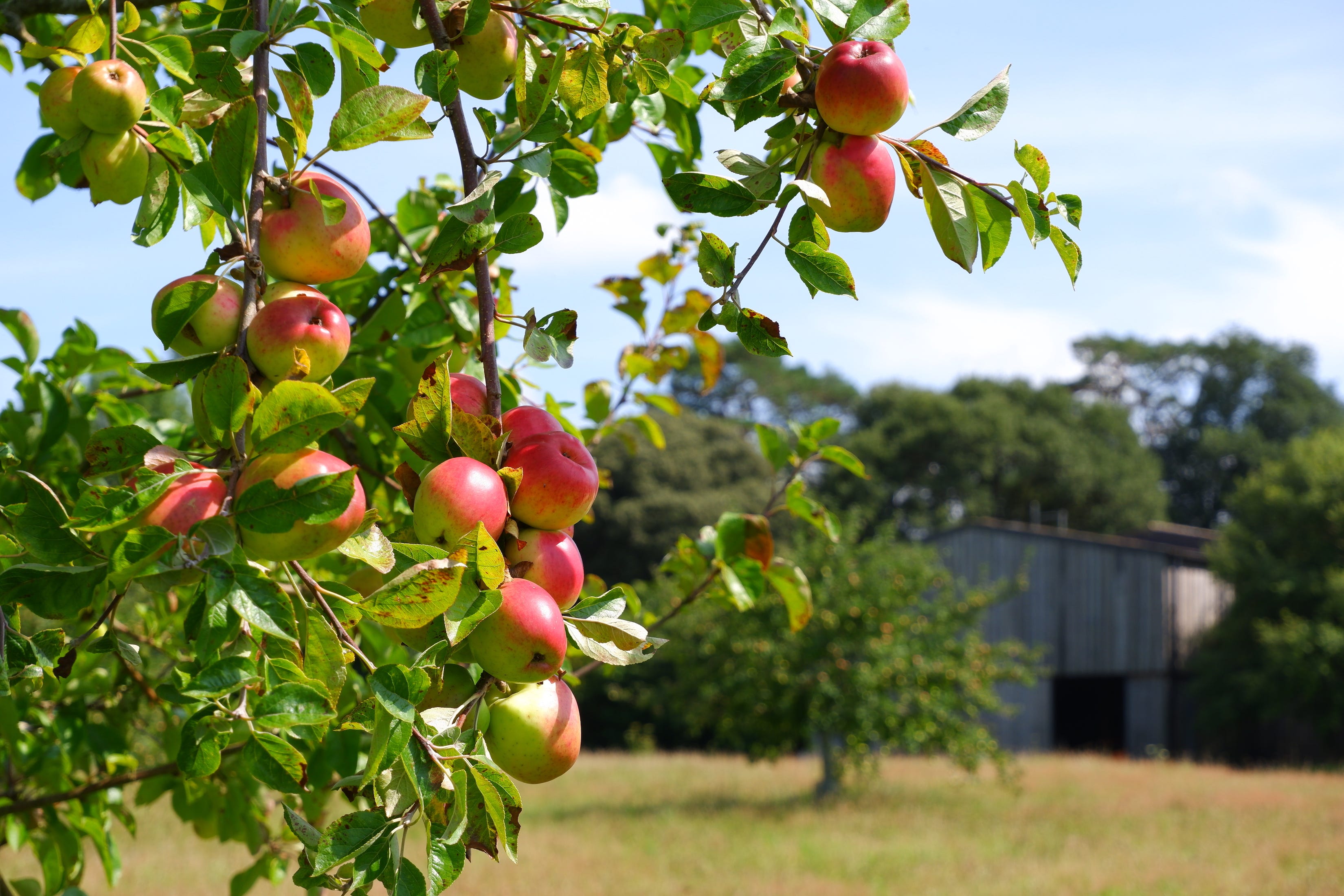
A 10-minute hailstorm Wednesday wiped out hundreds of acres of farmland in central Minnesota, pummeling apple trees and decimating crops including zucchini and pumpkins destined for the Twin Cities.
“It was a nasty hailstorm, one that I’ve never seen in my lifetime and hopefully won’t have to see again,” said Paul Nelson, who works on his father-in-law’s farm — Untiedt’s Vegetable Farm, north of Waverly. “It’s your baby. You’re just about ready to see the fruits of your labor, and then they’re gone.”
The Wright County farm sells its produce to several local groceries, at the Minneapolis Farmers Market and in more than a dozen produce stands and garden centers around the metro area.
Sheets of rain fell about 10 a.m. followed by “lots of hail” that left about 2 inches of white ice chunks on the ground, most about ¾ inches in size, Nelson said. “The cornfields are stripped to the stalk. Soybeans are stripped. The pumpkin fields used to be lush with green leaves, and now you can see rows of pumpkins because there isn’t a leaf that’s left. The apple orchard is basically gone. I couldn’t find one usable apple, walking from one end to the other.”
Neighboring farms also were thrashed by hail, he said.
Areas near Waverly saw hail as large as 1 ¼ inches in diameter, according to the National Weather Service. Later in the day, hail as large as tennis balls fell south of Lake Mille Lacs and golf-ball size hail fell as the storm moved into Siren, Wis, said Shawn DeVinny, a Weather Service forecaster.
Minnesota’s apple harvest is just getting underway, Nelson said. And it’s beautiful.
“Or, it was beautiful,” he said. The hail ripped through the 24-acre orchard — about 38,000 trees producing Honeycrisp, SweeTango, Zestar, Haralson, Fireside, Snowsweet and a few Keepsake apples.
“The apples got all beat up. One side had about 30 holes in them. The other side looked OK. If you could turn them all over and eat the bottom side, then you would be just fine,” Nelson said. “It’s hard to get any money for half of an apple. And by the time we sold the bottom half, the top half would be so rotten that you would have plenty of penicillin to go with it.”
The farm’s pumpkins likely won’t be around for Halloween. “The hail dings are deep enough that they’re probably going to rot,” Nelson said. “Sometimes they heal over, but who wants to buy a hail dinged-up pumpkin. Most customers won’t pay us for those. So it’s basically a loss.”
“Most everything is gone,” Nelson said. “I’ve never seen anything this bad in 40 years of farming.”
There’s little farmers can do about such devastation, he said. “In farming you have to tell yourself, there’s always next year. It’s kind of the way we’ve been trained around here.”
Nelson said the farm has crop insurance but isn’t sure what the family can collect.
Storms erupted again Wednesday evening after heavy rain earlier in the day caused “nuisance flooding” in some fields and roads, said Joe Calderone, senior weather service forecaster.
The Weather Service reported 2.7 inches of rain fell at the St. Cloud Regional Airport on Wednesday. And in western Minnesota, the city of Glenwood reported flooded streets with more than a foot of water covering some roads. An early evening storm blew through Mora, with winds up to 70 miles per hour uprooting large trees and knocking down power poles, DeVinny said.
Rain was expected to linger into Thursday morning, along with hot and muggy weather that will make it feel more like July than September, Calderone said. But a cold front sweeping across the state will bring drier weather, temperatures in the 70s and lots of sunshine that will make for a spectacular weekend.
“It’s going to be really, really nice,” Calderone said.
Source - http://www.startribune.com/