Crop maturity and rainfall amounts vary widely across the Prairies, but the abnormally wet harvest weather of recent weeks is going to be costly for thousands of producers.
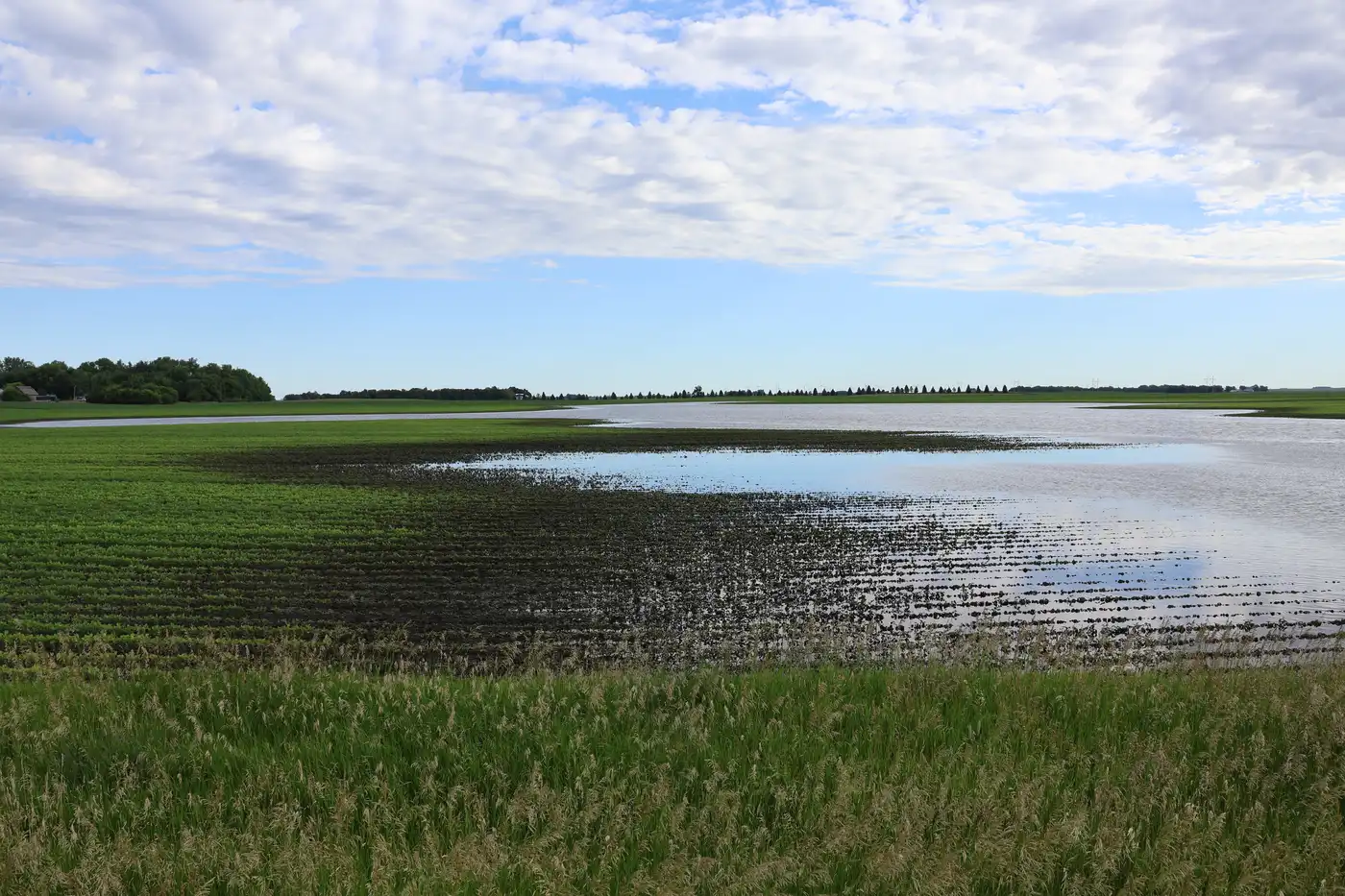
Inch after inch of rain is not what is needed at harvest time.
Quality losses will be massive on some crops, with lentils one of the hardest hit.
Heavy rain across southern Saskatchewan hit much of the prime lentil growing region just as the crop was maturing. Expect some ugly looking product, particularly on green lentils, which are more susceptible to grading losses.
Producers lucky enough to get high quality lentils in the bin may want to hold onto them. They could appreciate in value once the full extent of downgrading is realized.
If there’s a glut of low grade lentils, as feared, it could take a while to find a market for all that product.
Wet and dry cycles make the seed coat brittle, and split seeds are more likely in crops such as lentils and peas. There will also be more dust and dirt in the sample.
Crops flattened by rain are more difficult to scoop off the ground, so header losses are greater. In cases of heavy rain, there will be spots in fields where the combine cannot tread.
Barley and wheat nearing maturity at the time of heavy rain will lose bushel weight. Barley will have a difficult time making the standards if it was destined for malting. Limited spring cereal acres have been combined, so quality effects are hard to assess at this point.
Producers will be thankful for crops such as canola, flax and mustard, which can typically withstand wet weather without suffering quality losses.
Beyond the quality issue, heavy rain is also making it a much more difficult and expensive harvest.
Fields become extremely soft, which means producers must use extra fuel for combines and can’t load as much grain onto trucks. Some roads are inaccessible, so grain sometimes needs to be trucked on circuitous routes.
Slogging through damp, flattened crop is hard on the combine, which causes more wear and more breakdowns. More grain will come off the field tough or damp, which means aeration fans will get a workout.
Labour costs increase as harvest drags on. Sometimes people are available to help with harvest for only a short time, and rain delays will mess that up.
Cool wet weather is delaying maturity and increasing the risk of frost damage in areas where the crop is late. It will be interesting to see how the soybean crop fares. We’ve had late frosts in recent years, but we may not be that lucky this year.
It’s difficult to calculate the total damage from the heavy rain during the last two weeks of August, but moderate assumptions on grading losses quickly run into the hundreds of millions. Continued wet weather will see those losses escalate, and an earlier than normal frost would bump losses dramatically.
Frost is difficult to predict, but the recent weather pattern means it’s reasonable to expect more rain delays and associated losses. It has all the appearances of a long and protracted harvest.
Farmers in different regions of the Prairies sometimes have different wish lists regarding the weather. Now that it’s September, the wish list will be pretty consistent. Warm, dry weather with no frost is the universal hope. We’ll have to see what Mother Nature has to offer.
Source - http://www.producer.com/