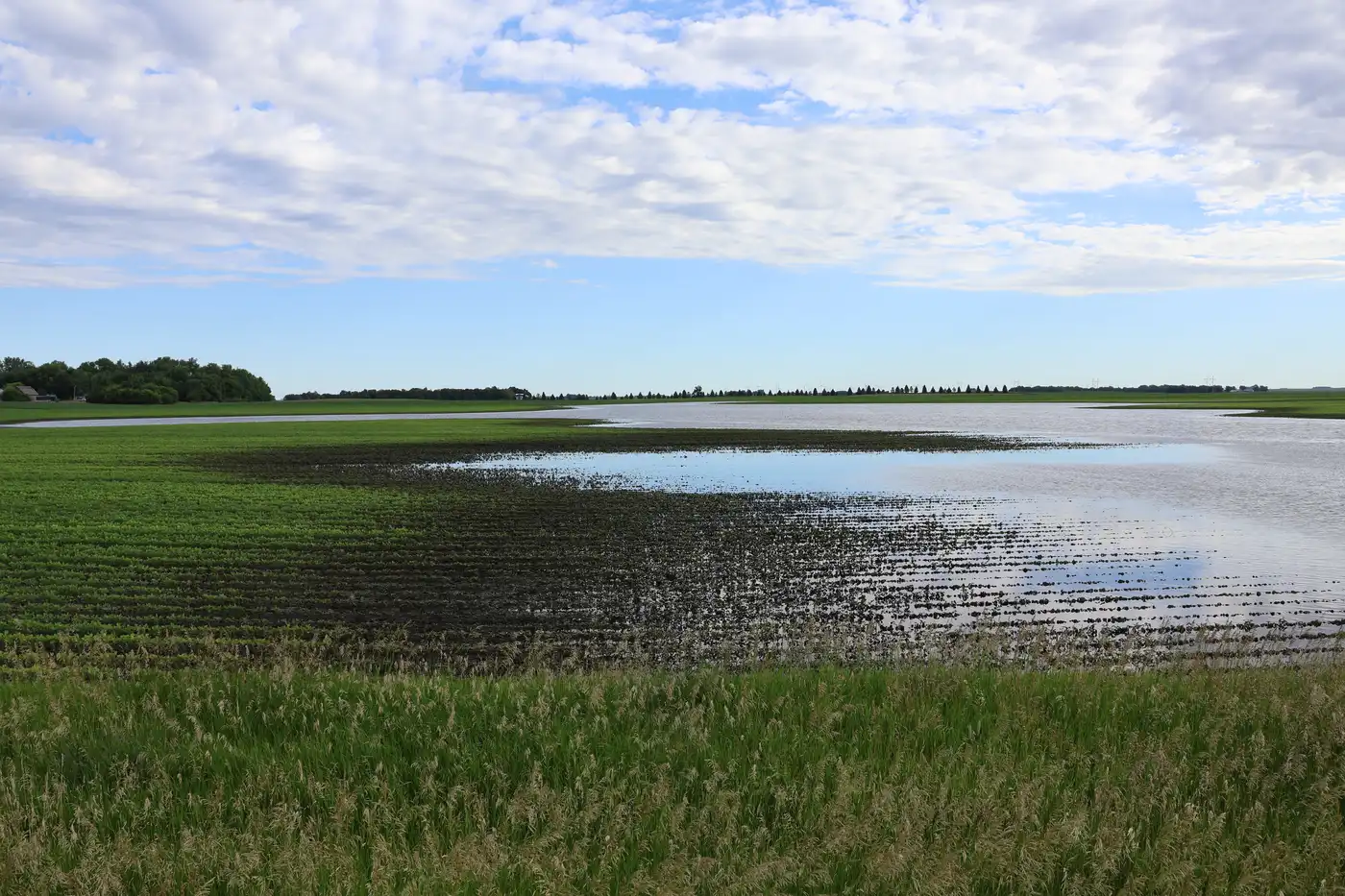
Recent rainfall across the state of Idaho has slowed harvest and damaged some crops, according to the latest crop condition report from the National Ag Statistics Service state field office.
Temperatures across the state ranged from 99 in Grandview to a low of 35 in Fairfield for the last full week of August.
Precipitation was also reported across the state with some areas experience extreme levels. Rexburg recorded 1.94 inches, Malta received 2.10; and Lava Hot Springs received 2.26. That allowed producers only 4.5 days for fieldwork with some harvest being halted.
The rain has increased topsoil moisture conditions with only 1 percent being very short, 25 percent short, 63 percent adequate and 11 percent surplus. Subsoil moisture levels are rated as 5 percent very short, 25 percent short, 68 percent adequate and 7 percent surplus.
Throughout the state there were reports of mold damage in wheat. The spring wheat harvest is underway with 41 percent harvested. That is behind last year’s 66 percent but only slightly off the five-year average of 42 percent. Winter wheat in the state is 79 percent harvested, well behind last year’s 91 percent but just ahead of the five-year average of 76 percent.
Producers in the state report 3 percent of the spring wheat crop is in very poor condition, 12 percent in poor shape, 48 percent fair, 54 percent good and 3 percent excellent.
Reports from the Magic Valley attributed mold found in the bean crop to the catastrophic weather conditions. Producers statewide have noted the bean crop this year is 2 percent poor, 30 percent fair, 65 percent good and 3 percent excellent.
Barley harvest is now 41 percent complete. Last year at this time it was 70 percent finished. The average is 47 percent complete.
Jefferson County respondents report that premature sprouting in barely crop has degraded the quality from malting capabilities to feed-only grade. Producers rate the barley in the state as 9 percent very poor, 15 percent poor, 35 percent fair, 39 percent good and 2 percent excellent.
The oat harvest is well underway with 53 percent in the bins. Last year at this time 62 percent had been harvested. Over five years the average is 54 percent.
Potatoes are just starting to come out of the ground. Currently 3 percent of the crop has been dug. That is slightly ahead of last year’s 2 percent rate and the five-year average rate of 2 percent.
Potatoes across the state are rated as 1 percent very poor, 7 percent poor, 20 percent fair, 61 percent good and 11 percent excellent. In Power County reports of late blight infestation have been spotted in the crop.
Corn harvested for silage is also beginning with 4 percent complete. Last year and the five-year average stand the same at 1 percent. The crop is doing well with 15 percent rated fair, 83 percent good and 2 percent excellent.
Dry edible beans are being harvested across Idaho with 3 percent harvested, slightly behind last year’s 4 percent. The average over five years is 6 percent.
The dry pea harvest is more than half complete at 64 percent. Last year the harvest stood at 68 percent complete. The average is 44 percent.
Currently 89 percent of alfalfa hay has been cut twice, compared to 96 percent last year and 93 percent over the past five years. Third cutting of alfalfa stands at 51 percent complete, which equals last year. The average over five years is 40 percent. Producers report that mold damage from hay has hit some of the state’s alfalfa crop.
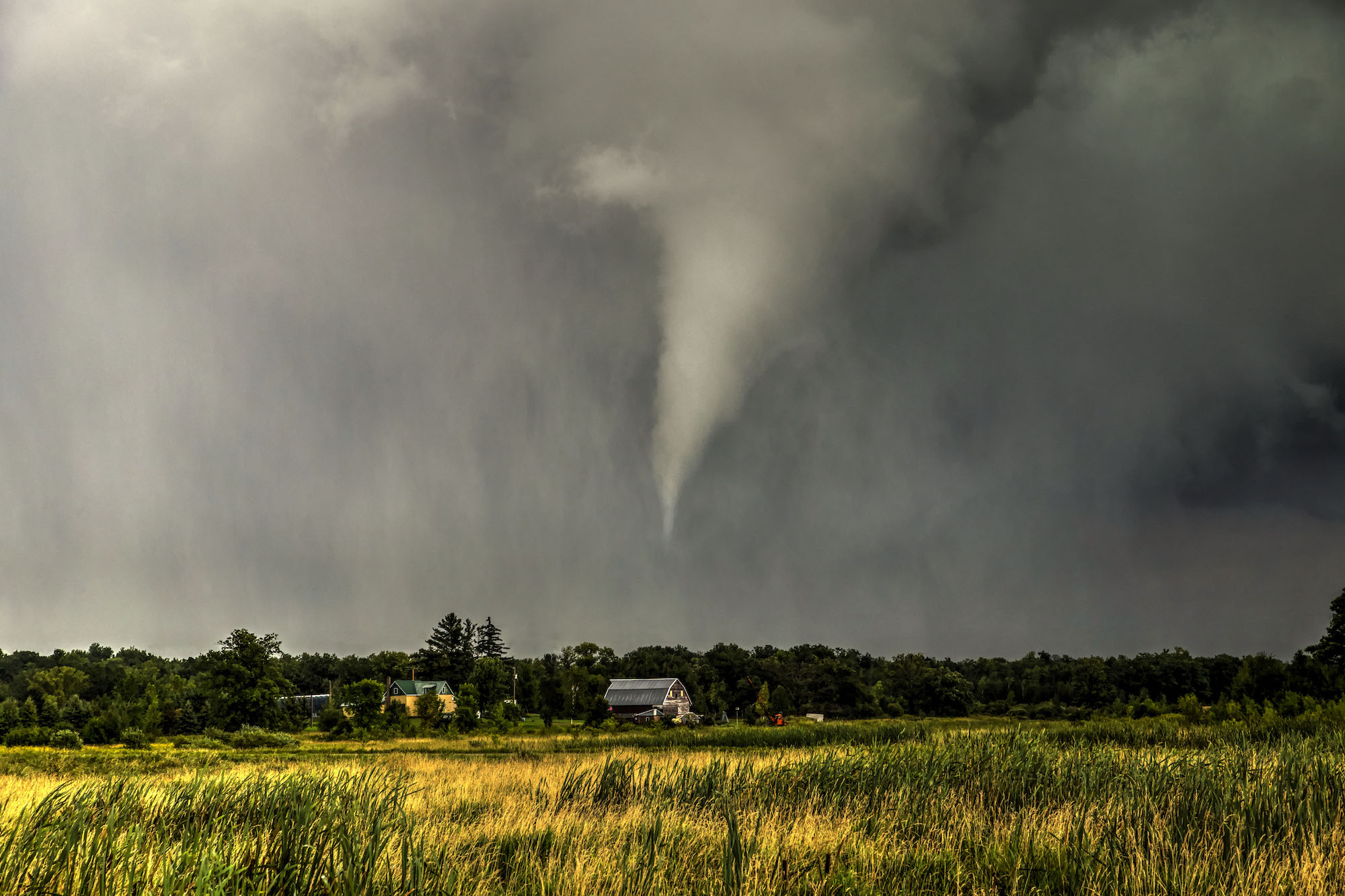
Due to an increase of extreme weather conditions, concern of economic losses for cereals, alfalfa, and beans, some counties have moved forward with a rain disaster declaration for producers.
Source - http://www.theprairiestar.com/