South Australian farmers with massive crop wipeouts from frost are entering unknown territory to compensate for their losses.
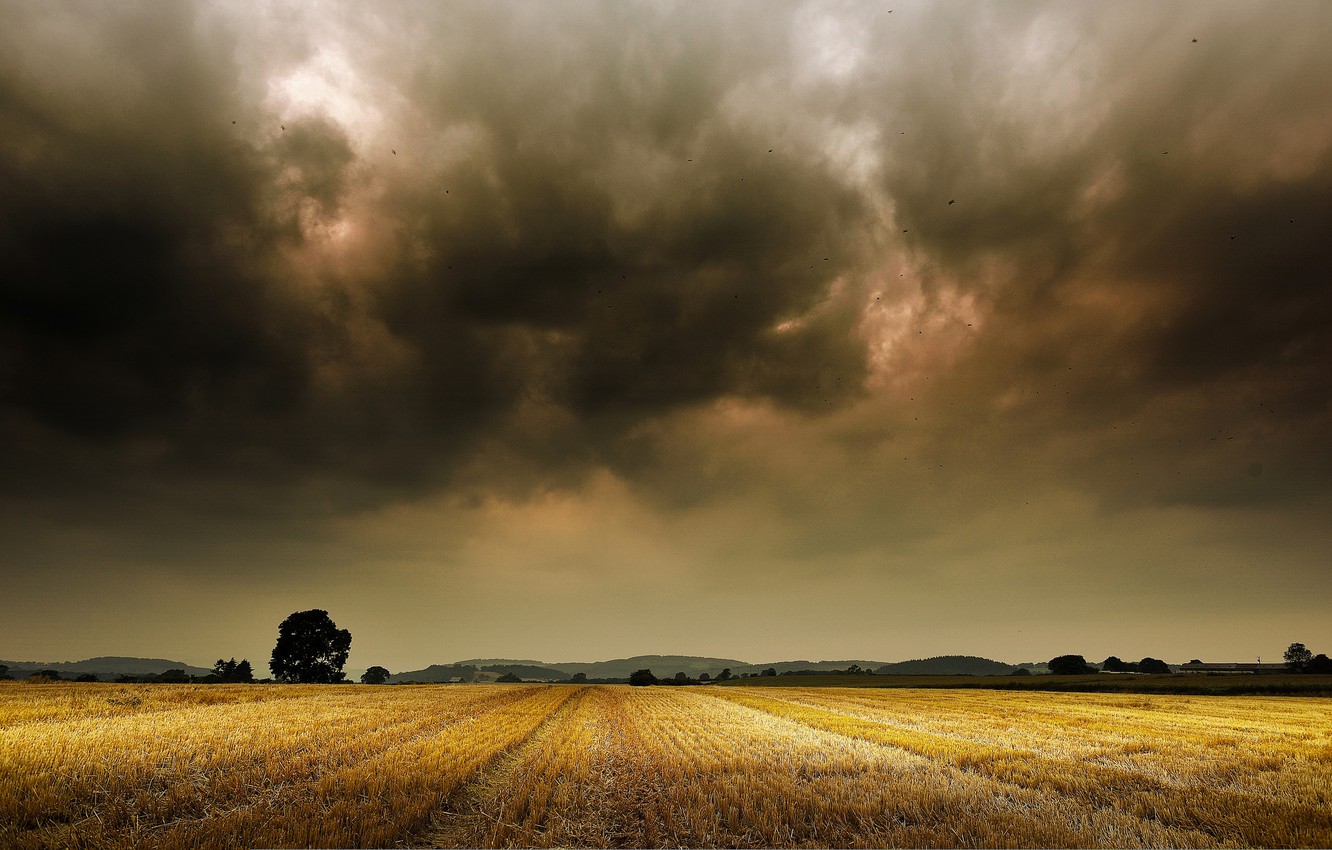
A week of intense frosts wiped-out crops across South Australia’s Mid and Upper North regions, in what’s been described as a ‘once in a generation’ event.
Many affected farmers are now cutting their crops for hay, for the first time.
Wilmington farmer Matt Modystach had 1,200 hectares of his 1,500-hectare cropping program wiped-out by frost.
“We were looking down the barrel of one of the best years on record,” he said.
“When we had about six or seven [frosts] in a row, I got onto my agronomist fairly quickly and the decision was made for us.
“We just got the contractors in and cut it all for hay.”
Mr Modystach has never produced hay before, instead opting to buy in bales to feed his livestock.
The mixed farmer also runs 2,000 breeding ewes, with sheep accounting for the bulk of his income.
Despite the potential to harvest more than 1,000 bales this year, he won't be entering the market.
“I’m going to keep [the hay] on farm and just fence it off,” he said.
“We now haven’t got the cash we thought we’d get harvest time, but we’re going to drought-proof ourselves for the next three or four years.”
Mr Modystach says his remaining wheat crops have started to show small signs of recovery.
With good rainfall, he's hoping to harvest at least a tonne to the hectare, 50 per cent of his original yield potential.
John Carey, who farms nearby, has his sights set on the financial compensation hay could bring.
Mr Carey lost 25 per cent of his grain crop to frost, and has already cut wheat, peas and oats for hay.
It’s the first time he’s produced hay for the commercial market and concedes it is risky.
“It was a big decision,” he said.
“We’re a month ahead of normal hay-making time. This normally should be getting done in the last week of September or early October.
“Some people said we had no alternative, but the easy thing would have been to take no risk but we would have got no return out of our paddocks.
“We took a chance.”
Mr Carey says he’s now hoping the hay won’t be damaged by wet weather, which could impact on quality and, therefore, price.
But there’s still no guarantee even premium prices will compensate for his losses.
The Australian Fodder Industry Association says it’s still too early to tell how frost events across the southern cropping region will affect the industry.
Industry development manager Caitlin Schofield says quality will be a key factor.
“Stem frost has impacted some crops which means they are likely to be unsuitable for hay,” she said.
“Some growers are slashing affected crops in the hope that they will get enough regrowth from the second tiller to get a harvest later in the season."
Ms Schofield says the early start could also be risky for growers.
“There are also reports that some growers are cutting cereal crops for hay already which is early,” she said.
“It is not uncommon for vetch or medic to be cut at this stage and I am hearing reports that some growers are into vetch already in South Australia and Western Victoria.
“The risk with cutting cereal hay at this time is in curing and not getting a good enough curing window before baling.”
Source - http://community.agriculture.com/