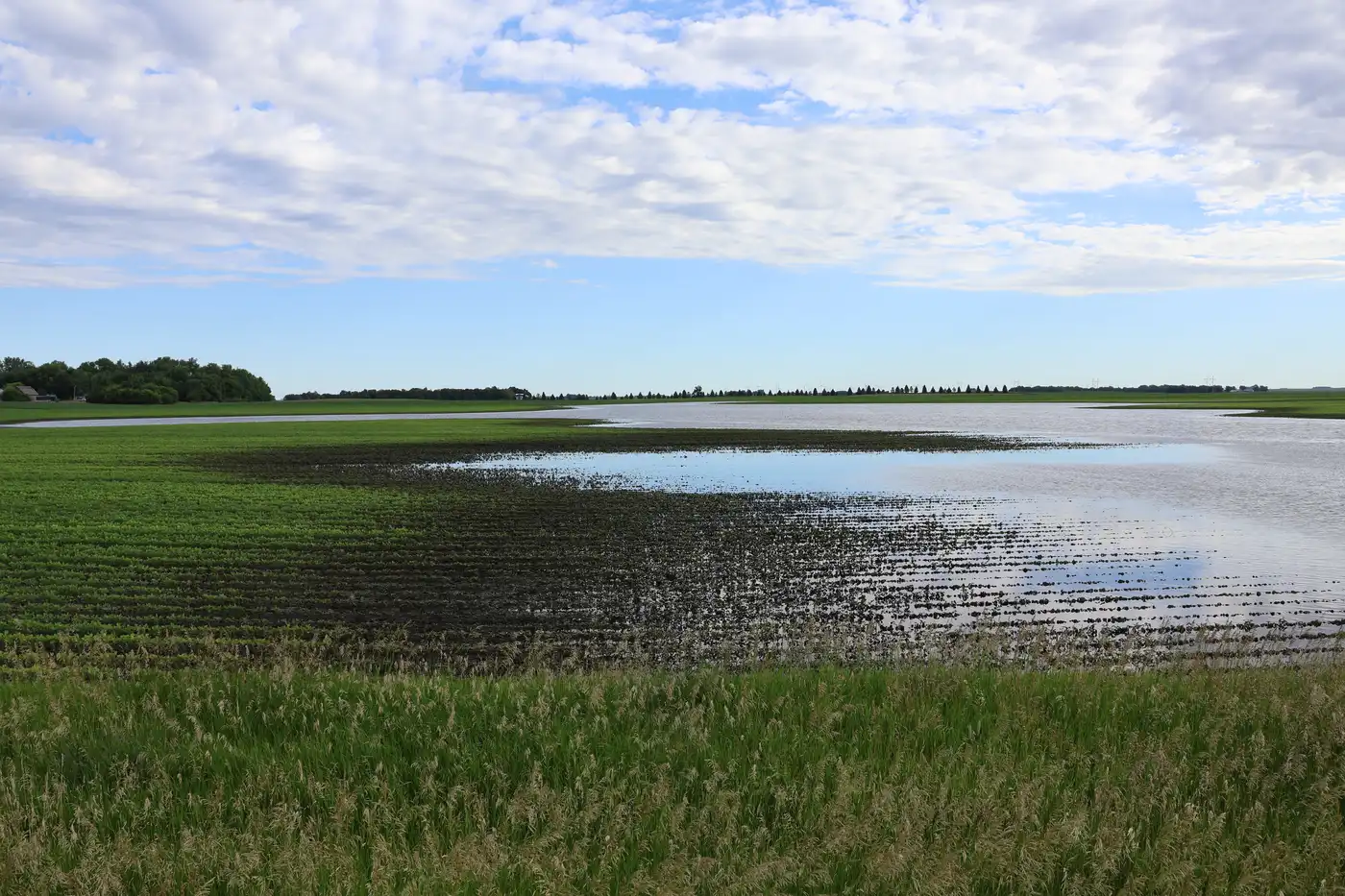
The cloud of insecticide that drifted from a neighbor's corn field onto the asparagus on Andrew and Melissa Dunham's central Iowa farm cast a shadow over their organic vegetable business.
They say the costs from the incident and resulting loss of organic certification on their asparagus patch for three years will reach about $74,000, and they're now working with the sprayer's insurance company.
"We're a certified organic farm — except for our asparagus," Melissa Dunham lamented.
Pesticide drift is a serious concern for organic farmers and they've come up with several defenses, such as buffer strips. Twelve states are part of a registry of farms that tips off aerial and ground sprayers to areas they need to avoid. The aerial spraying industry and pesticide manufacturers, meanwhile, say they've made big strides in controlling drift through pilot education and new technologies.
Organic and specialty crop growers are trying to profit off the rising consumer interest in locally grown, natural foods. But those smaller farms are often islands surrounded by a sea of conventionally grown crops that get sprayed with herbicides, insecticides and fungicides.
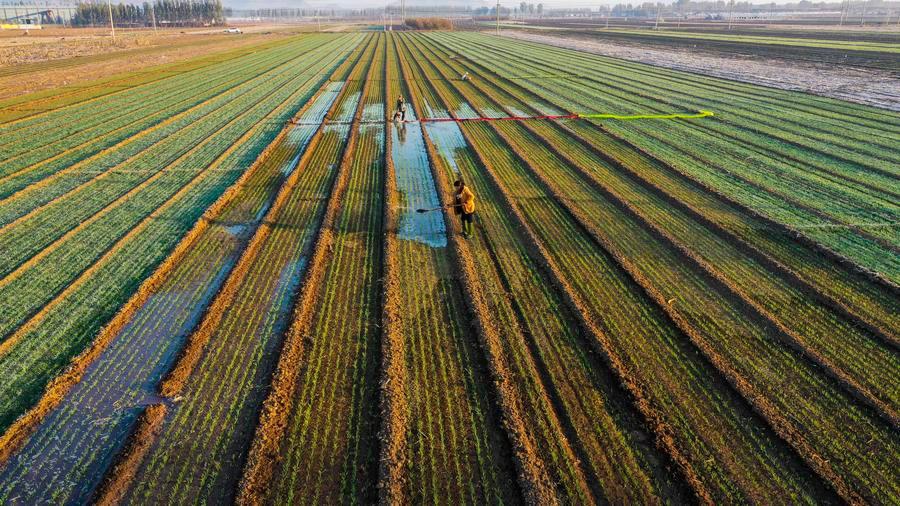
The Dunhams grow about 20 acres of organic vegetables on their 80-acre Grinnell Heritage Farm, selling directly to consumers and wholesale to some grocers.
Iowa agricultural officials determined this spring that a ground applicator violated several regulations while spraying an insecticide on a neighboring farm last August. Only the asparagus was affected, Melissa Dunham said, but since they can't market it as organic again until 2017, they can't charge wholesale customers as much for it.
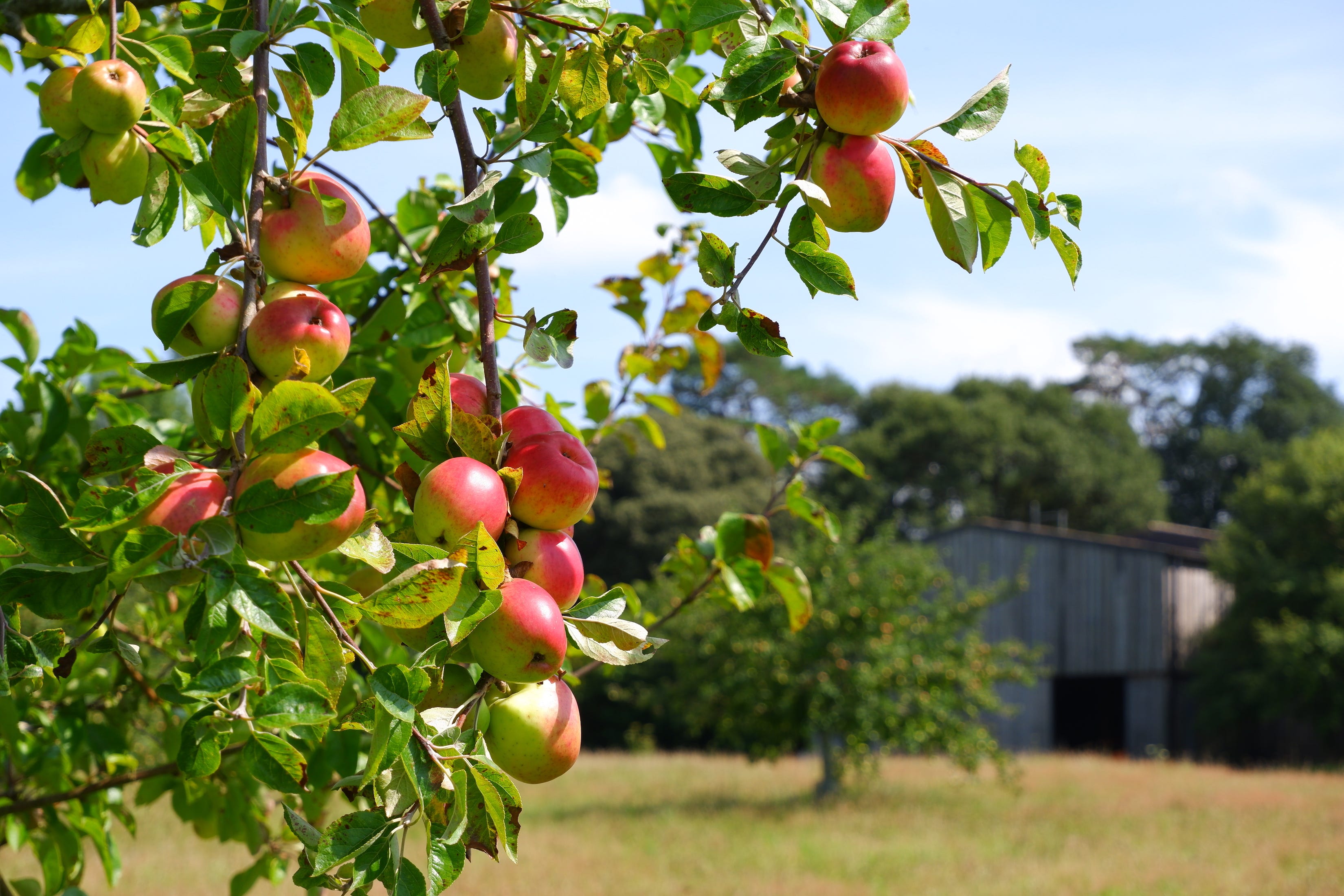
Any organic farm next to a conventional farm is at risk, so farmers typically have buffer systems, said Nate Lewis, senior crop and livestock specialist with the Organic Trade Association. There are as many buffer strategies as there are farms, he said. An organic apple orchard in Washington state could sell fruit from its first three rows of trees as conventional or Midwest corn and soybean farmers might just mow down their first few rows of plants.
The Dunhams maintain a 30-foot buffer strip of shrubs along the affected side of their farm. They've posted no-spray signs and listed their farm on Iowa's sensitive crops registry. But the precautions weren't enough. Fortunately, Melissa Dunham said, no customers in their spring community-supported agriculture (CSA) program accepted their offer of refunds.
"They were more sympathetic and angry, actually, that there were no penalties," she said.
Practical Farmers of Iowa recently began circulating a detailed brochure for farmers and rural residents on how to protect themselves from drift, recognize when it's happened and what to do then. The group's fruit and vegetable growers say drift is one of their top concerns, energy and horticulture coordinator Liz Kolbe said.
Better pilot training and sprayer technology have led to significant reductions in pesticide drift, said Andrew Moore, executive director of the National Agricultural Aviation Association. The association offers a program across the country on safety and drift issues. He said it contributed to a 26 percent drop in confirmed drift instances between when it debuted in 1999 and 2003 alone.
But it's hard for crop dusters to avoid vulnerable farms if they don't know where they are. Enter Driftwatch, which Purdue University launched in 2008. Producers can register their farms, while applicators can check the website's interactive map and sign up for email notifications. Twelve states and the Canadian province of Saskatchewan are part of DriftWatch, while Iowa and some other states maintain their own registries.
"I think for the states that have been in it a while it is making a huge difference," said Reid Sprenkel, president and CEO of FieldWatch, the nonprofit that runs DriftWatch.
Organic farmers also worry about a new Dow AgroSciences weed control system awaiting federal approval called Enlist — partly because it uses 2, 4-D, an old herbicide that's been prone to drift. Pesticide Action Network organizer Linda Wells said 2, 4-D is "notoriously volatile" and particularly harmful to grapes and tomatoes.
Enlist kills weeds that are becoming resistant to glyphosate, better known as Roundup. The company has given the 2, 4-D in Enlist Duo herbicide a different chemical structure, and customers must agree to use an advanced type of spray nozzle, said Damon Palmer, commercial leader for Enlist in the U.S.
The combination reduces volatility and drift by around 90 percent, he said.
"We've got a solution here that will allow corn and soybean farmers to farm next to specialty crop and organic growers as well," Palmer said.
Source - http://www.wdio.com/