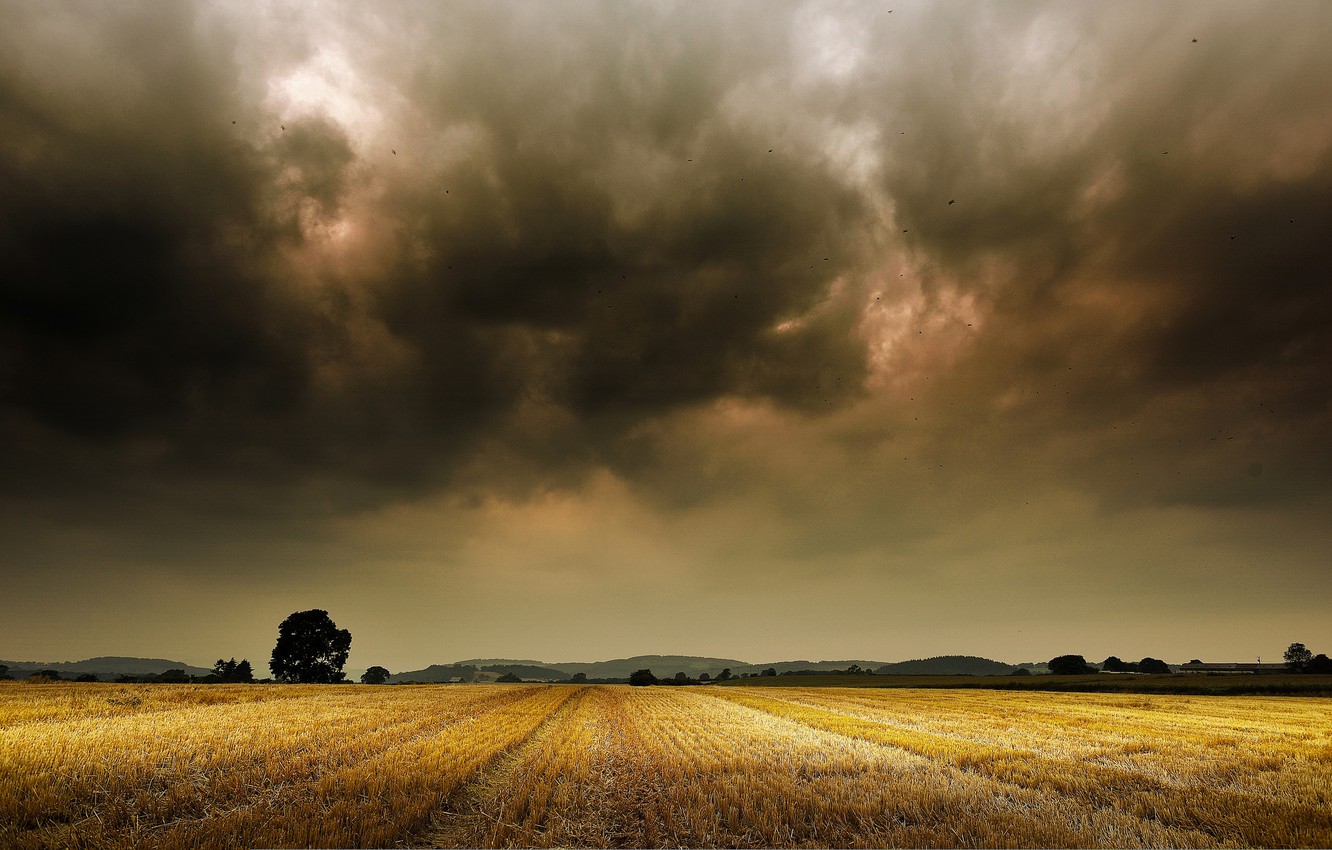
With snow and cold, soggy conditions on the near horizon, Wisconsin farmers scrambled to get fieldwork done last week.
According to the Nov. 10 “Wisconsin Crop Progress & Condition Report”, some farmers were working through the night to clear fields while conditions allowed.
“Farmers were really hitting the fields hard trying to get as much done as possible before the winter weather rolls in this week,” the Juneau County reporter shared in the document created with input from farm reporters and county ag agents across the state.
The first full week of November ended with 52 percent of fall tillage finished, beating last year’s 46 percent and the five-year average of 44 percent.
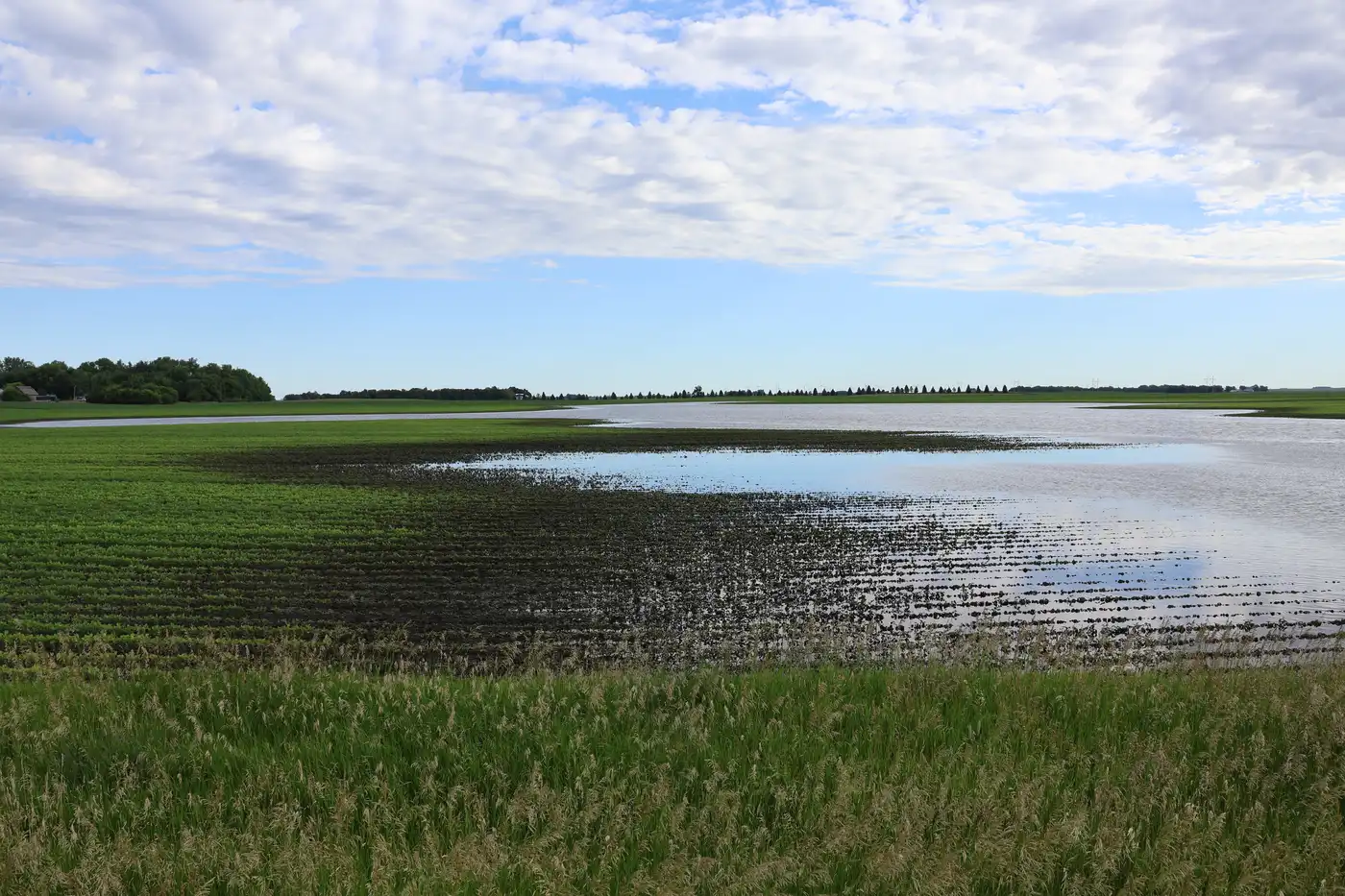
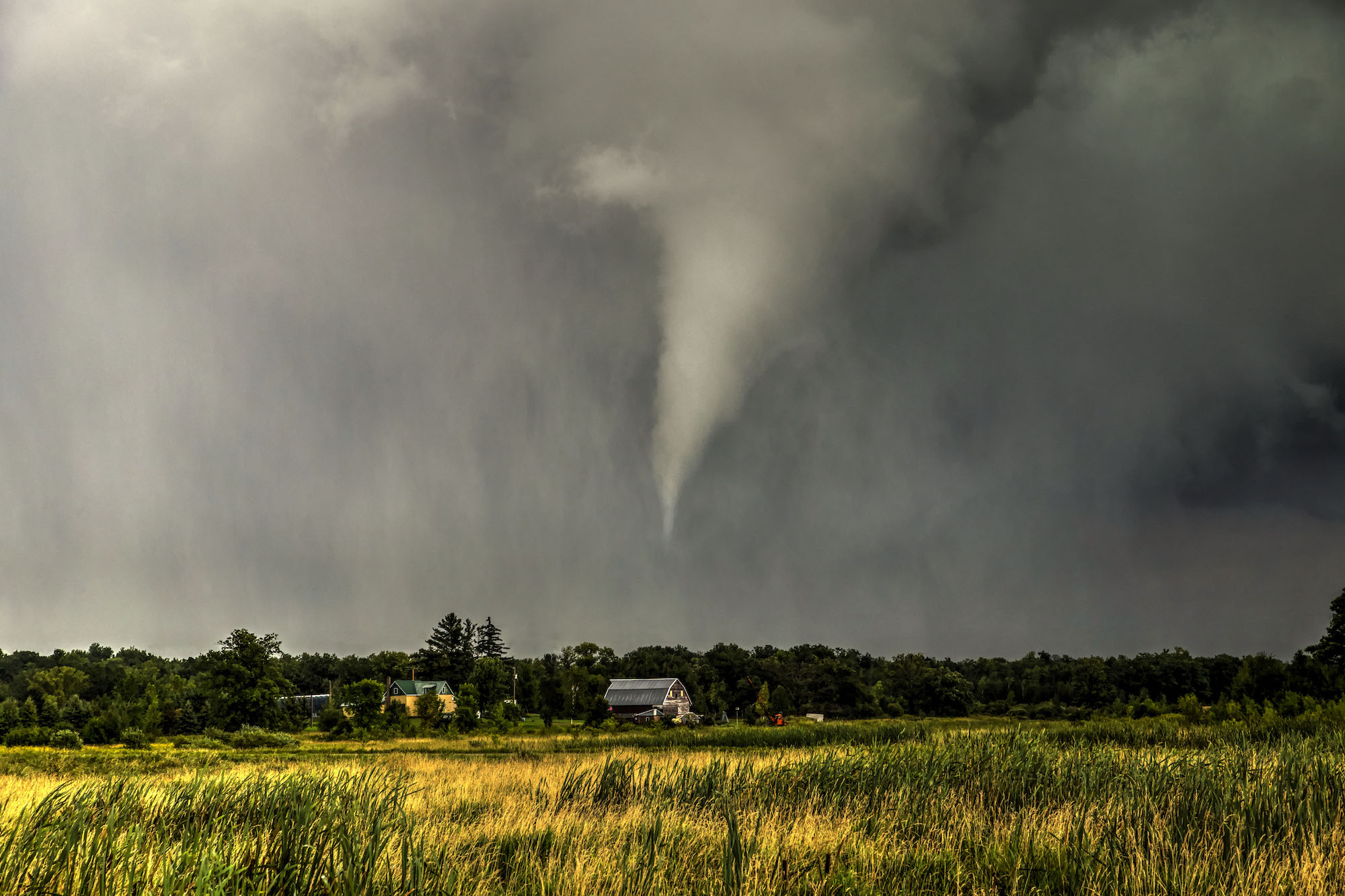
Unfortunately, many in the Eastern section of the state were stymied by rain and snow late in the week that interrupted fieldwork and drove up grain moistures. The precipitation created slick field conditions and wind that lodged some standing corn.
Marathon County was hit with its first major snowstorm of the season. “Harvests are slow going with muddy fields,” the reporter said. Most corn silage is off, he added, but just under 50 percent of the corn still needs to be harvested.
Precipitation totals for the week ranged from 0.08 inches in La Crosse to 0.73 inches in Green Bay.
Light showers fell on La Crosse County every couple of days, making bringing in the corn difficult. “Good crop, though,” that reporter observed.
Across the rest of the state, conditions were much dryer and good progress was made during the week that offered 5.3 days suitable for fieldwork. Average temperatures fell between normal to 3 degrees above normal with average highs ranging from 46 to 56 degrees and average lows falling between 32 to 37 degrees.
With forecasts of substantial snow and much colder weather, reporters were concerned about the amount of corn and soybean still to be harvested and the amount of manure still to be spread.
There’s a lot of fertilizer that needs to be hauled in Manitowoc County. “With wet field conditions and potential cold/ground freezing temps on the way, moving manure could be a real challenge this fall,” the reporter observed.
Statewide, the corn silage and soybean harvests were nearing completion.
In Bayfield County, the week was pleasantly dry, meaning lots of corn silage and soybeans were harvested with reports of some very good yields on corn. St. Croix County farmers enjoyed nice fall weather as they harvested corn and lots of corn stocks for bedding.
As of Nov. 9, 93 percent of Wisconsin’s corn was mature, compared to last year’s mark and the five-year average of 98 percent. The condition of corn held at 72 percent good to excellent.
Corn for silage was 96 percent harvested, compared to last year’s 99 percent and the five-year average of 100 percent.
In Barron County, manure hauling was keeping farmers busy, fall tillage equipment was being used heavily, and the grain crop harvest was in full swing. “The corn is heading to grain dryers at 18 to 22 percent moisture,” the reporter commented.
By week’s end, the harvest of corn for grain topped 50 percent, lagging last year’s mark of 60 percent and the five-year average of 68 percent. The grain moisture at harvest averaged 23 percent.
Most of the corn in Shawano County tested above 25 percent moisture. “There’s still a fair amount of soybeans left to harvest with moisture being quite high in them yet,” the reporter added.
In Jackson County, moisture levels were dropping and the corn harvest was picking up. “Moisture levels are still a little high, so corn agronomy centers are about full, causing things to slow a bit,” the reporter commented.
Grain dryers were going full blast across the state, the report said, but some producers were still delaying their grain corn harvest until moisture content falls naturally.
As high moisture levels slowed the shell corn harvest in Washington County and farmers waited for dryer conditions, the harvest was just starting in Marinette County. “Moisture content is still high in most fields,” that reporter commented. “Producers may leave corn standing longer this year in an effort to reduce their drying costs.”
The corn harvest for grain has not been aggressive in Crawford County either. “However, now with the threat of winter weather upon us, farmers may take a different look at the situation,” the reporter said.
There was still a lot of corn in the field across Richland County. “We are hearing that many of the elevators are full,” the reporter shared. “Talk of the winter storm warning led to a big weekend push.”
In Juneau County, where moistures were high and yields are even higher, the reporter said dryers were having a hard time keeping up.
Fond du Lac County reported extremely variable yields for corn, ranging from just over 100 bushels per acre to well over 200 bushels per acre. A lot of soybeans were in the 50 to 60 bushel per acre range.
Bean yields in Crawford County were pretty much average, ranging from 30 bushels per acre up to 50 bushels. “Area farmers seem extremely pleased with corn yields,” the reporter observed.
Farmers had pulled off 90 percent of the state’s soybean crop by Nov. 9, edging above the five-year average of 89 percent and last year’s 85 percent.
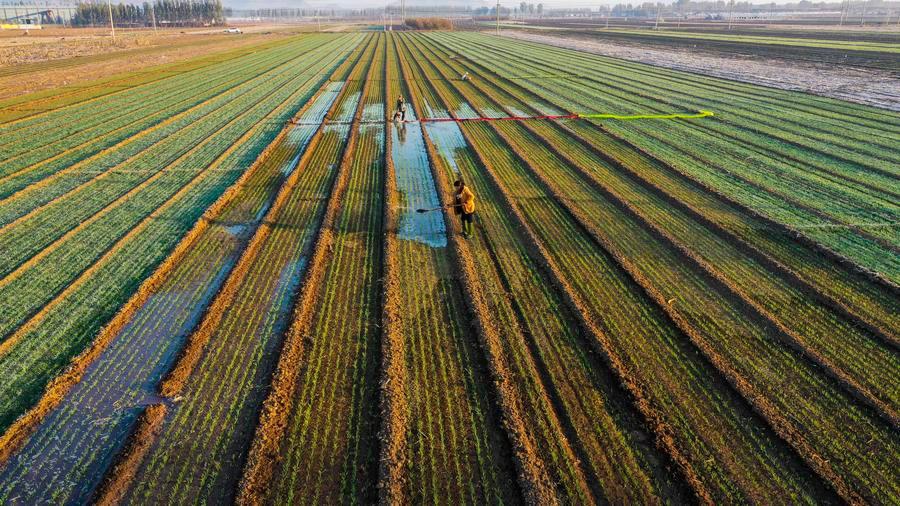
Farmers were nearly done planting winter wheat. By week’s end, 94 percent of the crop had been planted and 79 percent had emerged. The report rated the condition of the crop at 68 percent good to excellent.
In Washington County, winter wheat was between 1.5 -2 inches tall, while some Juneau County farmers were still hoping to plant rye for a cover crop.
Source - http://www.wisfarmer.com/