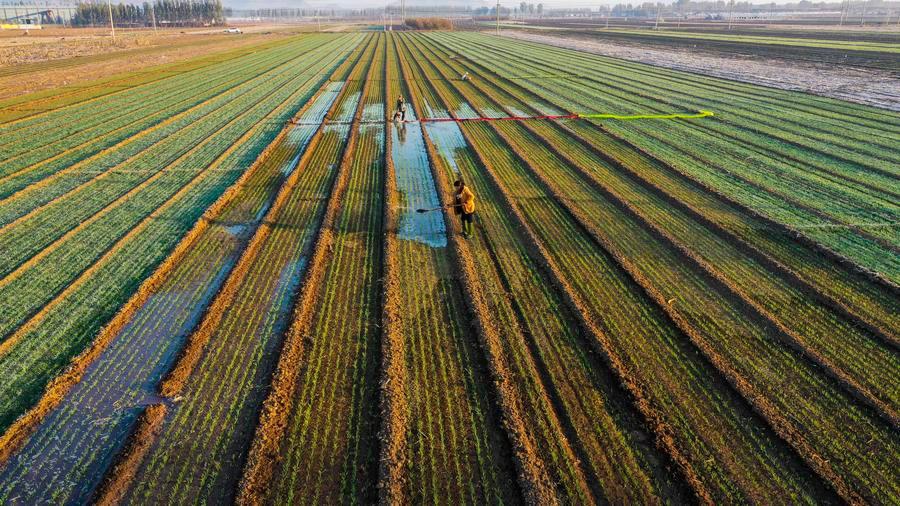
A recent analysis of the Agriculture Ministry of Kyrgyzstan says that the spring field works in the country are conducted behind schedule, and one of the main problems is the lack of fertilizer since to obtain a good harvest, the country needs 200,000 tons of fertilizer while there are only 36,000 tons in the state reserves.
Apparently there is no problem with seeds and fuel, due to a memorandum of cooperation reached by the ministry with the Association of Oil Traders of Kyrgyzstan, according to which farmers can get fuel at below market prices through the Gazprom Neft Asia network.
The agricultural and processing sector provides 16% of the GDP of Kyrgyzstan and more than 30% of employment. However, the country is still heavily dependent on imports of such basic foods like flour, sugar, and vegetable oil.
Due to the deterioration of agricultural machinery and poor infrastructure for the storage and transportation of crop, losses reach 30% in the sector. Only 15-18% of the grown produce is processed and the rest is exported fresh.
Working capital and cooperation
The main problem of processing enterprises is the lack of working capital and the dimension of the farms. So, it is vital to increase processing and reduce food losses in the country.
In 2015, Kyrgyzstan plans to increase agricultural production by 2.5%, which requires consolidating small farms and increasing their area under crops. Today the country has 381,000 farms with about two hectares of land each. It makes it difficult for each existing farm to develop profitable production or to do any processing or contribute in a sizable way to processing industries.
The country agricultural development strategy and related plans for 2013-2017 is far from being reached. The strategic reforms are aimed at consolidation of farms with creation of pilot cooperatives in the regions on the basis of public-private partnerships, but even this objective has not been achieved. According to the Agriculture Ministry, 63 percent of the rural population does not want to unite into cooperatives. According to the ministry, farmers are not ready for it and they are afraid to lose their independence.
Too many mistakes have been made during the years since the country’s independence in the agricultural sector, and farmers do not trust the Government. However, sooner or later, agricultural cooperatives or other forms of cooperation should be implemented. The tax issue has also been emphasized since cooperatives should pay higher national and local taxes, while independent farmers enjoy tax benefits. Effective reforms demand to improve the existing mechanisms of taxation.
Loans and benefits
After joining the Eurasian Economic Union (EEU), Kyrgyzstan will be granted a five-year grace period for import of agricultural products from the EEU member countries without paying customs duties. It is also expected that the country may receive significant investment through the Eurasian Development Bank.
In 2015 it is planned to issue loans worth 6 billion soms to the agricultural sector. Terms of the loans to farmers remain the same. Last year, the project "Financing agriculture-2" issued preferential loans to farmers at 5.3 billion soms.
Other sources of finance may come from a 40 million-euro soft loan allocated by Poland for the development of agriculture in Kyrgyzstan. According to the agreement signed by the governments of Kyrgyzstan and Poland, the money will be distributed in three directions. One part of the loan will be allocated for the registration and identification of cattle, the second one for the construction of a modern laboratory, and the third one for concessional loans to farmers for the purchase of agricultural machinery and fertilizer.
Pastures
The total area of pastures is more than 9 million hectares in Kyrgyzstan, and up to 75 percent of this area is degraded. Proper grazing will help improve the condition of pastures, and as a result, to develop animal husbandry and increase meat and milk production and any other type of processing. The task to improve pastures has now been assigned to special committees of pasture users, which will be completely in charge of the management, improvement and rational use of land. These committees are responsible for the condition of pastures in the future five or ten years.
Source - http://www.timesca.com/