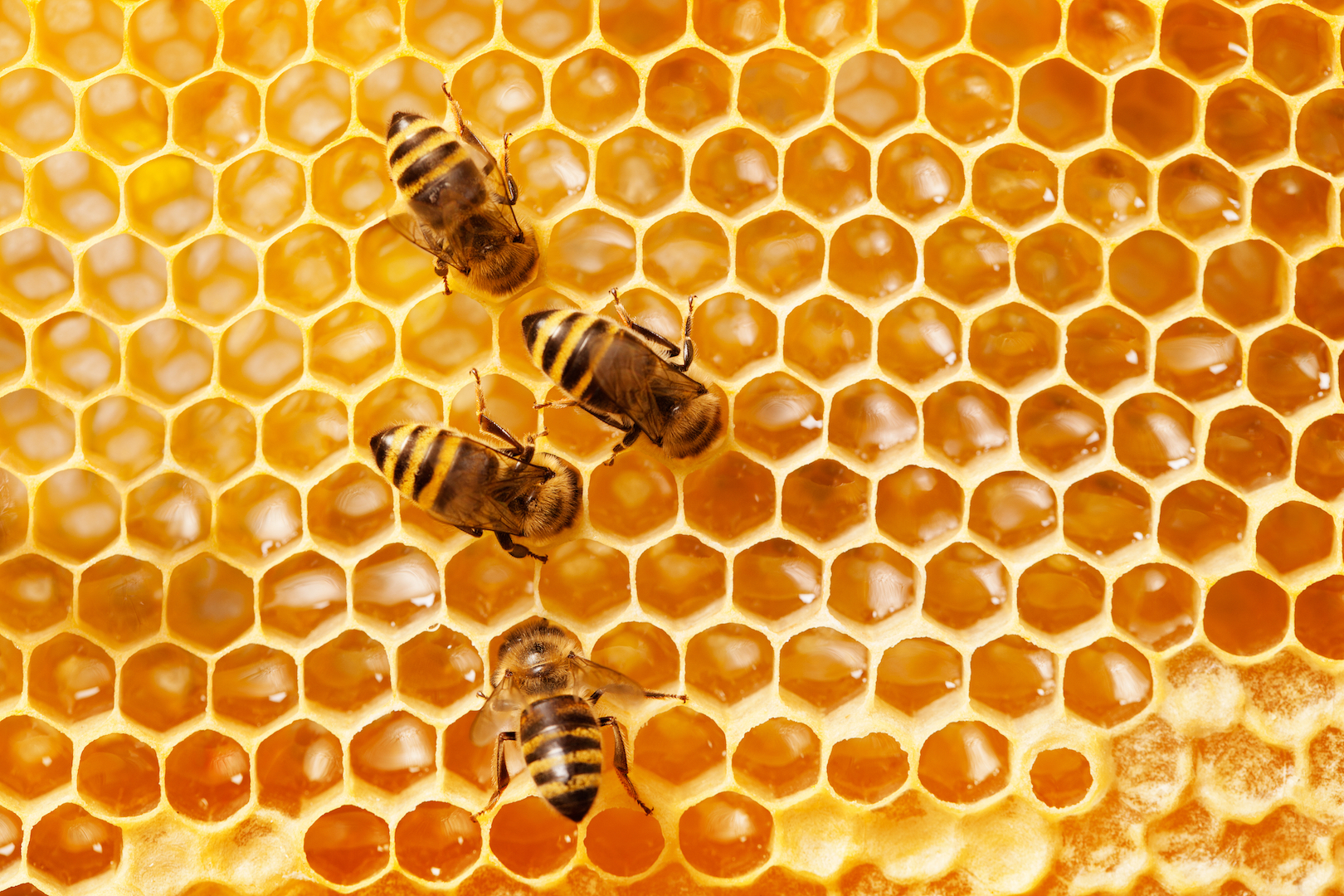
Concern about seed treatments like neonicotinoids and their possible damage to pollinators — especially bees — is a subject farmers should be aware of.
Tom Kroll, seed treatment product manager for Nufarm Americas, Inc., spoke to farmers at the recent Corn/Soy Expo in Wisconsin Dells and mentioned that the concern about seed treatments and their possible impact on bees was largely based on laboratory data.
"That doesn't always translate to the field," he added.
Farmers have a number of things on their minds besides their seed treatments, he said, but Kroll urged them to be aware of the issue. Concern about neonicotinoids among environmentalists and the general public has caused the product to be banned in several countries.
Neonicotinoids make up the vast majority of seed treatments and are used on about 95 percent of seed corn and half of all soybeans.
This class of insecticides was developed in the 1980s and 1990s and was quickly adopted because they are less toxic to animals and birds than the insecticides that were previously used.
However, studies in recent years linked the chemical to honey bee colony collapse disorder (CCD) and led to the concern about neonicotinoid — a neuro-active insecticide similar to nicotine, hence the name.
Kroll said studies in the field in Europe have found that CCD "has nothing to do with the insecticide" and is more about the varroa mite, a parasite of honey bees.
It's important for agriculture to retain access to this class of seed treatments, he said. They are used on eight major crops including corn, soybeans, wheat, cotton, canola, sorghum, potatoes and tomatoes.
"These seed treatments allow the right amount of product to be applied at the right time. It's much better than foliar applications and it decreases the number of spray applications."
The treatments, which are effective against soil insects, provide necessary protections for seeds, he said, so plants have a strong, healthy start.
The use of these seed treatments also enables farmers to make better use of conservation tillage practices.
Kroll told farmers that if neonicotinoids were not available 77 percent of the currently treated acres would switch to other insecticides.
That would mean going back to older classes of chemicals and higher usage levels. Every one pound of neonicotinoid would very likely be replaced with about five pounds of an alternative chemical, he added.
In addition, crop yield would very likely suffer, based on scientific trials.
"Neonicotinoids have become a popular media target," he added.
The insecticide is "an easy target" but he maintains that the decline in honey been populations began in the 1950s – decades before use of neonicotinoids began. He blamed the declines on parasites like the varroa mite which transmits viruses among the bees.
Other causes of the collapse of bee hive colonies could include weather patterns and loss of nutrition for bees.
"Can pesticides cause problem? Obviously they can. I'm talking about proper use of pesticides."
He suggested farmers look at the website www.seed-treatment-guide.com which provides information about seed treatment stewardship. It is sponsored by the American Seed Trade Association and Crop Life America.
Kroll urged farmers to be aware of conditions that could cause unwanted exposure to pesticides like wind direction and wind speed. He said they should be aware of hives and flowering habitats where bees make their homes and get their nutrition
Farmers should also remember to properly dispose of materials and ensure that no treated seed gets into commodity channels, he said.
Source - http://www.wisfarmer.com/