Saskatchewan Crop Insurance Corp. is changing the way it protects farmers against unseeded acreage losses.
Producers who buy crop insurance this year will be required to pay a separate premium for unseeded acreage coverage.
Unseeded acreage was previously included in the premiums for regular crop insurance but will now appear as a separate item on farmers’ insurance statements.
The premium will be charged on all acres that a producer normally seeds, regardless of whether the land is seeded or insured for yield loss.
Crop insurance president Shawn Jacques said the decision to charge a separate premium for unseeded acreage was not intended to generate more revenue for the corporation.
In fact, most customers will see a reduction in overall insurance premiums, he added. The changes are aimed at ensuring a more equitable application of premiums.
“Unseeded acreage is still a function of the program — we’re not taking anything away from producers,” Jaques said.
Norm Hall, president of the Agricultural producers Association of Saskatchewan, said the decision to separate unseeded acreage premiums is concerning.
“We’re concerned that this could be the edge of a slippery slope,” Hall said. “It’s almost like saying, ‘OK, now you guys are buying flood insurance and this is what it’s going to cost.’ But what’s next? Is frost coverage the next one? Is drought going to have a separate premium as well?”
Under the changes, unseeded coverage will still be a mandatory component of multi-peril insurance coverage.
Producers who buy multi-peril coverage can choose from four levels of unseeded acreage coverage, with the lowest coverage level set at $50 per acre and the highest set at $100.
The average premium for unseeded acreage protection bought at the $50 per acre coverage level is expected to be 54 cents per acre.
In low risk areas, the premium could be as low 19 cents.
The move will eliminate a situation that allowed some producers to make claims on acres that were uninsured.
When unseeded acreage premiums were included in regular premiums, crop insurance clients could buy multi-peril coverage on a small portion of their total land base and still be eligible to collect unseeded acreage payments on their entire farm.
A payment for unseeded acres could be triggered on acres that were not insured under multi-peril programs.
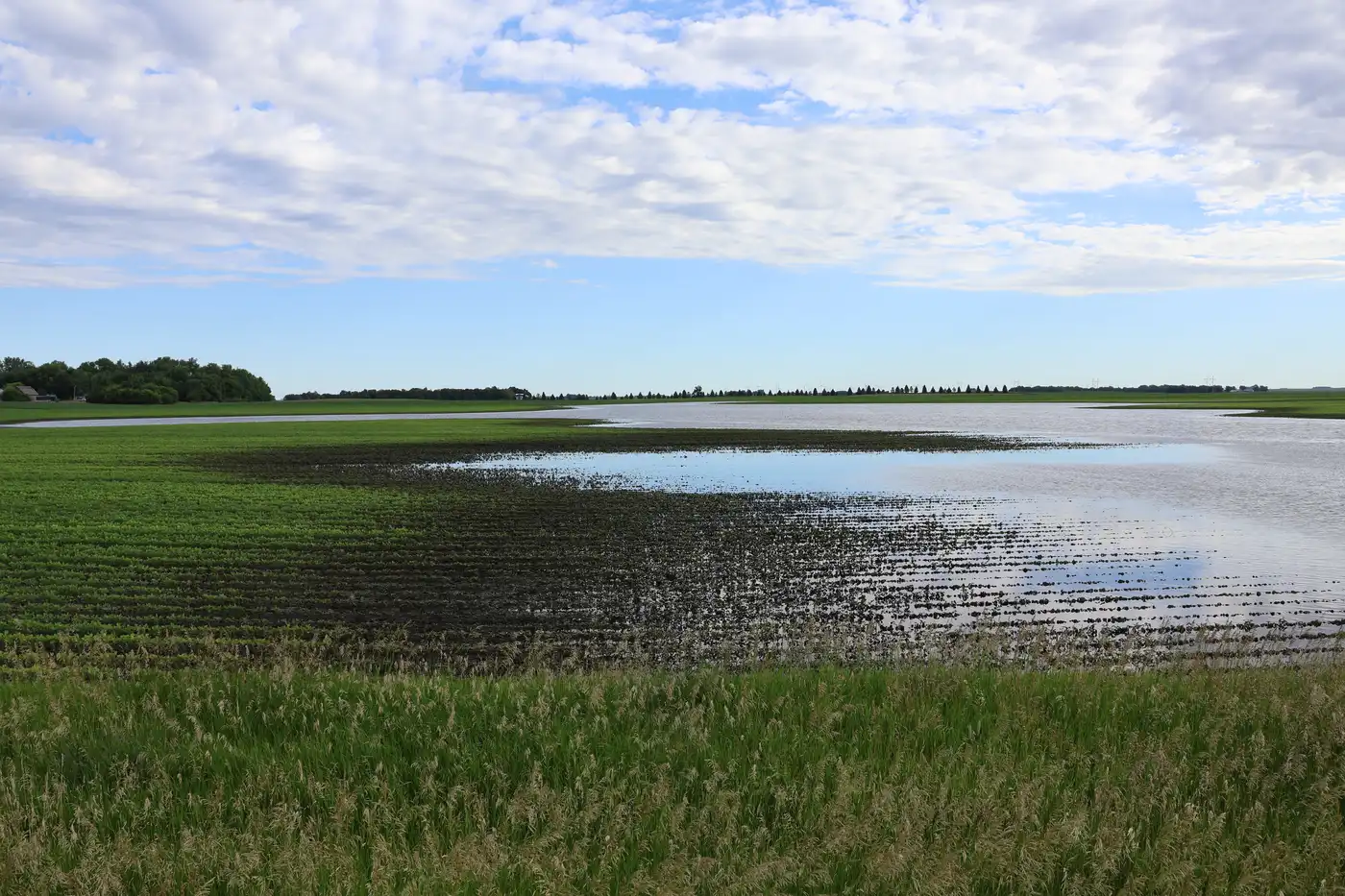
Under the new system, premiums for unseeded acreage will be applied universally to all acres that are normally seeded by crop insurance clients. Payments will be triggered on all acres that can normally be planted in spring but remain unseeded by June 20.
“We were always collecting the right amount of premium, but because (the premium for unseeded acreage) was bundled, there were instances where people may have had a claim even though they didn’t pay a premium on all of those acres,” Jacques said.
Hall acknowledged that total premium costs will decrease for most growers, and he said crop insurance’s coverage levels have improved significantly.
However, the “decoupling of unseeded acreage from the multi-peril program represents a major change in crop insurance coverage,” he added.
Crop insurance paid out $78 million on unseeded acreage claims last year. These claims have been around $820 million in Saskatchewan since 2010.
Other crop insurance changes announced Feb. 26 include:
- New programming for hemp producers, including $70 per acre establishment coverage.
- Enhanced coverage for oat growers that will see the base grade for insured oat acres increased to No. 2 from No. 3. - Saskatchewan Oat Development Commission chair William Zuchkan said the base grade change is a huge announcement for the province’s oat growers.
“There’s quite a substantial price difference between a No. 3 and a No. 2,” said Zuchkan, a farmer from Foam Lake, Sask. “Changing the base price … gives producers a little more insurance and a little more stability.”
Jaques said the changes in oat coverage reflect the larger proportion of the province’s oat crop that is being sold into higher grades.
The average oat producer will see his oat coverage increase by $20 per acre while paying lower premiums.
“Even with the enhancement, the average premium per acre for oats will go from $7.55 per acre in 2014 to $7.15 per acre in 2015,” Jaques said.
This year’s crop insurance budget is set at $154 million.
On average, coverage levels are increasing to $183 per acre, up from $162 per acre last year. Premiums are dropping to an average of $7.06 per acre from $7.47 last year.
The improved coverage is a result of better forecasted crop prices and higher long-term yields.
Source - http://www.producer.com/