USA - Recent surge of cold weather could be damaging to Louisiana's wheat crop

10.03.2015 209 views

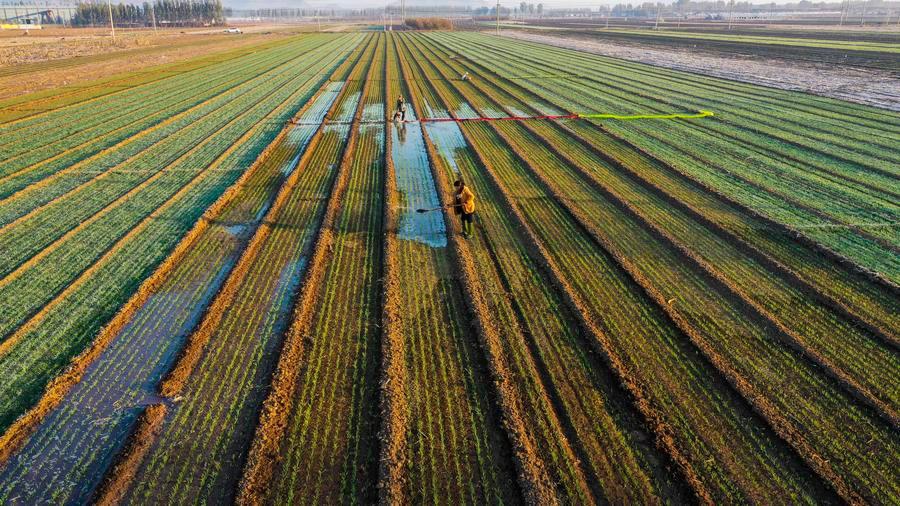
LSU AgCenter wheat specialist Josh Lofton says the recent surge of cold weather could be damaging to Louisiana's wheat crop, depending on the severity and duration of the below-freezing temperatures.

"The good thing is, it warmed up a lot more during the day compared to what was predicted," Lofton said.

The amount of damage can't be determined for a week to 10 days. Damaged tissue will show signs of discoloration and wilting, he said.

The relatively mild winter allowed wheat to compensate for poor planting conditions. "However, recent colder conditions have all but stopped growth," Lofton said.

A number of factors make it difficult to predict exactly what effects the cold will have on a crop. Soil temperature and moisture, the amount of foliage covering the growth points, the plant growth stage and wind are among the considerations, he said.

Wheat is least susceptible to cold during the tillering stage, he said. "Wheat becomes more susceptible to cold damage as the crop progresses towards the heading stage and is very susceptible to cold temperatures during heading."

Most fields are in the jointing-growth stage or close to it, which signals the beginning phase of reproductive plant growth, and some are further along in growth with one or two nodes developed.

Wheat at joint stage can suffer moderate to severe losses when the temperature is 24 degrees or lower for more than two hours, Lofton said, with death of the plant's growth point being the predominant concern. He said it appears cold temperatures for most of Louisiana only reached that threshold in a few isolated areas.

Excessive rainfall has slowed wheat growth, Lofton said. Heavy rain followed by humid days has set up ideal conditions for development of diseases, specifically stripe rust.

This year's state wheat acreage is down to fewer than 200,000 acres compared with last year's crop of 210,000 acres, he said.

Source - http://www.dailyjournal.net/

12.05.2026

India - Storms damage mango, watermelon, and vegetable crops in Jharkhand

High-velocity winds, heavy rainfall, and hailstorms across Jharkhand in recent days have caused damage to seasonal fruit and vegetable crops, including mangoes, watermelons, tomatoes, coriander, okra, and gourds.

12.05.2026

Canada - AFSC rethinking honey insurance programs offered to Alberta beekeepers

Despite offering coverage for everything from bear attacks to parasitic mites, Alberta’s honey insurance programs continue to see remarkably low participation rates among the province’s beekeepers.

12.05.2026

Myanmar - Bago Region CM attended the loan disbursement ceremony

Bago Region Government held the 2026 monsoon season agricultural input loan disbursement ceremony under the 100-Day Plan on the morning of May 12 at Bago City Hall.

12.05.2026

Rwanda - Subsidised insurance for greenhouse growers launched

Rwanda Agriculture and Animal Resources Development Board (RAB) on Thursday, May 7, launched a subsidised insurance for greenhouse agriculture to protect farmers against climate shocks, while encouraging investment in commercial agriculture. 

12.05.2026

Bangladesh - Tk7.50b Boro paddy spoilt by rains, flash flood in Sylhet

While the farmers in greater Sylhet are still continuing their high labour-intensive venture to harvest Boro paddy, about 40 per cent of the job is yet to be completed for the extensive inundation of their fields caused by incessant rainfalls and runoff.

12.05.2026

USA - USDA Offers Disaster Assistance to Agricultural Producers in Oklahoma Impacted by Recent Tornadoes

Agricultural operations in Oklahoma have been significantly impacted by recent severe weather and tornadoes. The U.S. Department of Agriculture (USDA) has technical and financial assistance available to help farmers and livestock producers recover from these adverse weather events.

11.05.2026

India - Erratic weather cuts Himachal Pradesh apple crop by up to 70%

Himachal Pradesh may face one of its lowest apple harvests in recent years, with growers reporting crop losses of up to 70% across major producing regions due to prolonged erratic weather.

11.05.2026

Mongolia Could Face Severe Economic Crisis From Overlapping Climate Shocks

A World Bank Group study warns that Mongolia could face a devastating economic crisis if collapsing coal exports, deadly dzud winters, and catastrophic urban floods strike together, potentially shrinking GDP by over 20 percent in three years.