Crop insurance is an important program, and more time should be devoted to analyzing how it works and how it can be improved.
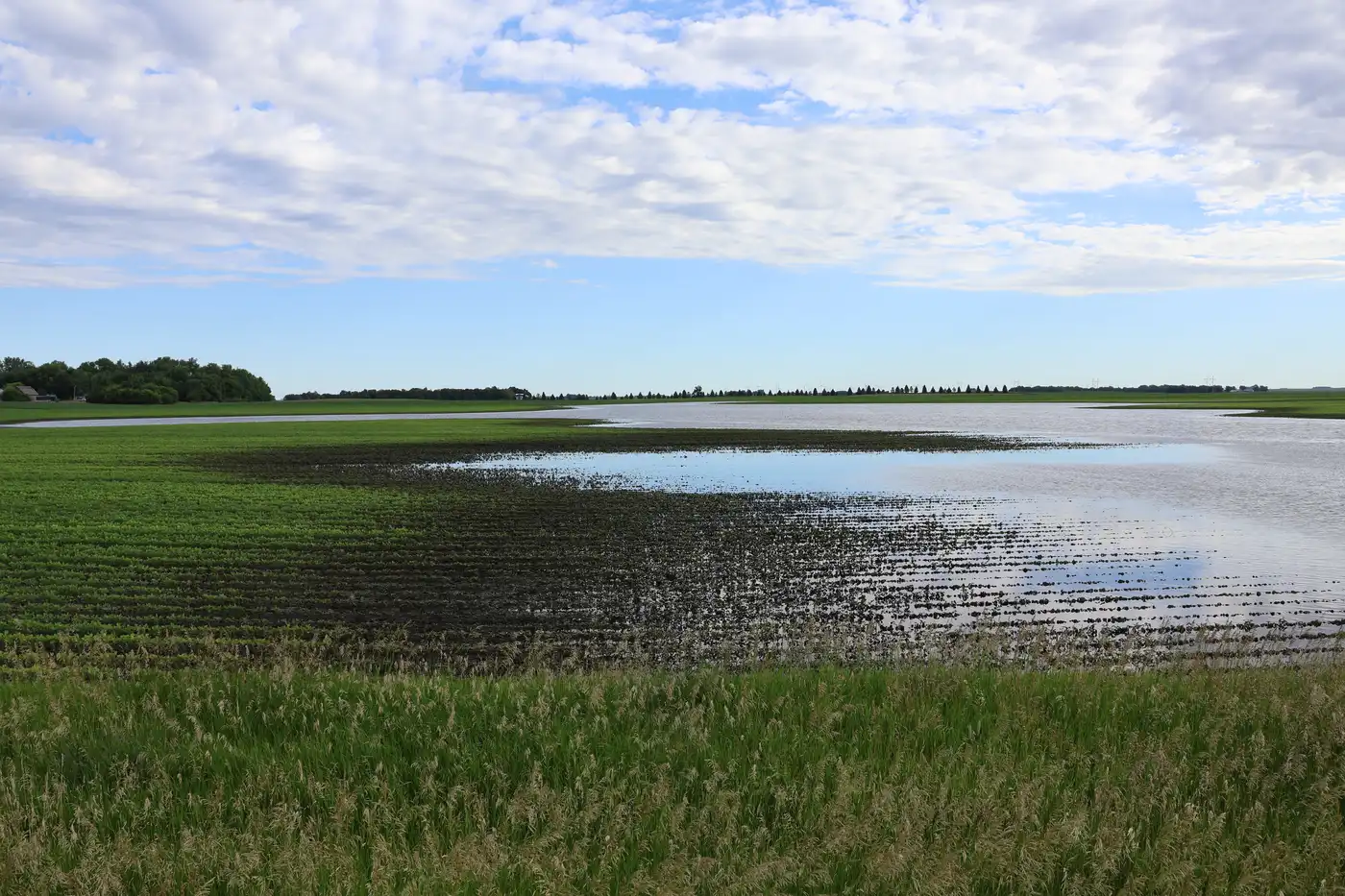
Programs are a bit different in each province, but in Saskatchewan, coverage for unseeded acreage this year is separate from yield coverage. Producers can choose between $50, $70, $85 and $100 an acre for land that is too wet to seed. This seems like a reasonable change, but it’s interesting to note that the premium rate rises as the coverage increases.
On multi-peril yield coverage, there’s more likelihood of a payment at 80 percent yield coverage than at 50, 60 or 70 percent, and the premium rates reflect this.
But why should the premium for $100 per acre unseeded acreage coverage be three times as much as coverage for $50 an acre? Either land is too wet to seed or it isn’t.
Perhaps the program is taking morale hazard into account, believing producers won’t try as hard to seed wet land if they’ve bought higher levels of coverage.
This bias in unseeded acreage premium rates was probably in the previous program, but transparent coverage and premiums mean it can now be identified.
The perception of inadequate yield coverage is producers’ main complaint and the main reason why a significant percentage of them don’t insure their crops. Coverage is based on an individual’s yield history, but those yields are typically well below what producers are targeting.
Maybe the 10-year average used for yield coverage doesn’t adequately take recent agronomic advancements into account. Maybe a producer hasn’t been growing a particular crop for the full 10 years, which results in area average yield data being substituted.
It may also be true that producers have selective memories about the years with poor yields that pull our averages down. Enhancing yield coverage isn’t easy when the program has to remain actuarially sound, but the perception that coverage is too low is probably the biggest challenge for maintaining participation.
Insured prices are another issue.
The price assumptions are set in December and don’t capture recent changes in the market. The insured price on field peas in Saskatchewan will be only $6.26 a bushel. Yellow peas are currently worth around $8.50 and a new crop price as high as $7.50 has been available.
There is a contract price option, but not many producers forward contract their peas. If they do, it’s usually only the first 10 bu. per acre.
A couple of other pricing options are available in Saskatchewan, but they don’t offer any certainty of improved values.
Producers sometimes mistakenly believe that crop insurance guarantees a certain gross return per acre, but that’s not the case. Let’s say your yield coverage on canola is 30 bu. per acre. The insured price is $9.30 a bu., which provides coverage of $279 per acre.
However, you can grow a 30 bu. crop and end up with a lot less money per acre if canola prices drop.
Alberta farmers can buy a spring price endorsement to protect themselves from dropping prices, even if they aren’t in a yield claim situation.
Producers who buy that option have some protection against a drop in prices on the yield stipulated within their production guarantee.
Wouldn’t that be a useful tool to have in Saskatchewan?
We should be asking more questions and making more constructive suggestions to improve crop insurance.
Source - http://www.producer.com/