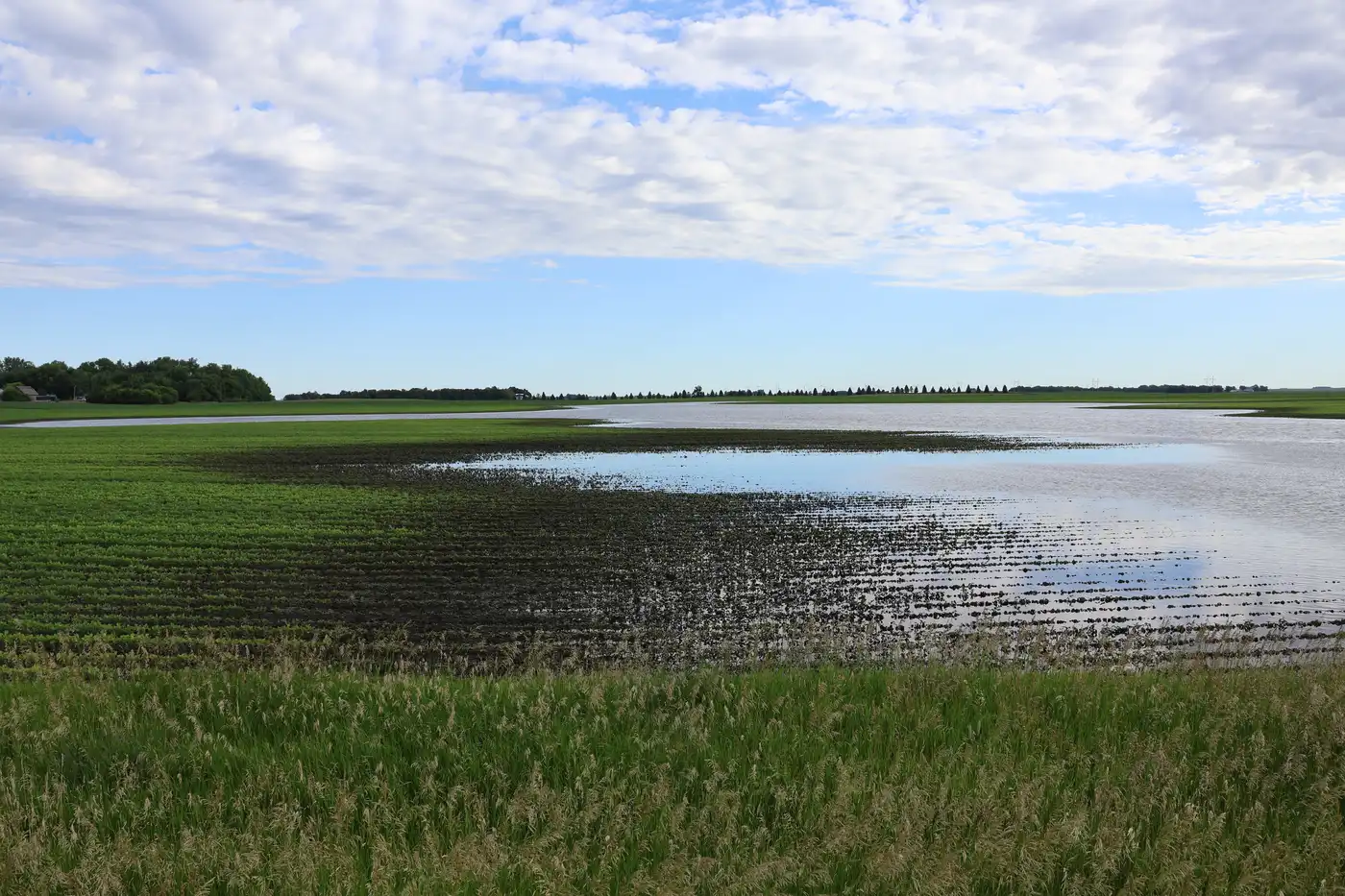
Unseasonal rain and windy weather have caused widespread damage to an estimated 50 lakh hectares of rabi crop in north and central India. A familiar set of events has started to unfold: State governments are demanding large grants from the Centre and politicians are outdoing each other in speaking for farmers. While the damage is serious and calls for immediate redressal, the underlying problem is a totally inadequate crop insurance system.
The Punjab government, while placing a demand for ₹700 crore from the Centre, has rejected the prevailing insurance formula that focuses on crop damage rather than the additional costs incurred on saving it as a result of calamitous weather. While there is no denying the growing sophistication of crop insurance products, several design issues remain. As yield-based insurance, one that covers all eventualities by focusing only on the outcome, suffers from implementation issues, we have moved towards specific forms of risk cover such as weather-based crop insurance schemes. Now, the time has come to make the next shift — to instruments that cover cost and pricing risks as well. This shift would require a range of products and players and a higher level of actuarial expertise. The passage of the Insurance Bill can help the cause of crop insurance, provided the government works in that direction.
The existing weather- and yield-based systems have a common problem: they take the area and not the individual as a unit. While an area-based approach brings down the operational costs of insurers, it does not represent the manner in which crop damage actually occurs. Therefore, in a single village, the damage could vary from extreme cases to insignificant ones, for which an average norm, whether based on yield or weather, can be cruelly unfair to some. If products are to be tailored to cover for a range of risks as well as reach out to the individual, premiums will rise. The key issue, therefore, is to make crop insurance, a crucial economic service, viable.
A premium of about 10 per cent of the total crop value is way higher than, say, the cost of insurance for a car. This is because risk is intrinsically high in agriculture (which makes it worthy of insurance!); this results in an adverse claims-to-premium ratio of 3.3. Insurance coverage should extend beyond 15 to 20 per cent of farmers who tap the formal banking system. About 80 per cent of India’s small and marginal farmers who are financially excluded should also come under the insurance umbrella, reducing costs for all. To this end, insurance coverage should be linked to the microfinance and SHG network, with the RBI and IRDA working out the rules. The Centre and States will have to continue subsidising premium, while extending a similar benefit to private players. Crop insurance is too important a matter to be remembered only when a squall or drought occurs.
Source - http://www.thehindubusinessline.com/