


Canada - Saskatchewan budgets $240 million in 2015-16 for farm risk management programs
20.03.2015 235 views
Claims under the Saskatchewan’s Provincial Disaster Assistance Program are contributing to higher-than budgeted overall government spending this year, while lower-than-budged crop insurance claims are the main reason agriculture spending will be $44 million lower than expected in 2014-15, the provincial government announced Wednesday.
Meanwhile, the 2015-16 budget, tabled Wednesday by Finance Minister Ken Krawetz, includes $240 million to fund business risk management programs - including crop insurance - for farmers.
"The 2015-16 Agriculture Budget also contains $240 million to fully fund business risk management programs such as Crop Insurance, AgriStability and AgriInvest to support farming operations as they look to grow and expand," the provincial government said in a backgrounder. "The 2015 Crop Insurance Program includes ongoing enhancements giving producers more choice and flexibility. As well, Crop Insurance premiums are decreasing for producers while coverage levels, on average, are increasing to $183 per acre, up from $162 per acre in 2014."
AgriStability is "a margin-based program that provides income support when a producer experiences larger income losses," Saskatchewan Crop Insurance Corp. says on its website. Under the Growing Forward 2 agreement between Ottawa and the provinces, which covers 2013 through 2018, costs are shared by the federal and provincial governments.
AgriInvest is a federal program that lets producers "set money aside which can be used to recover from small income shortfalls, or to make investments to reduce on-farm risks."
Source - http://www.canadianunderwriter.ca/
EVENTS

ScaleAgData Stakeholder Engagement Event
22.10.2024The ScaleAgData project is pleased to invite you to our second stakeholder event. Building on the discussions and connections formed during our first webinar, this event will focus on fostering collaboration among stakeholders, providing updates on our project’s progress, and outlining future opportunities for engagement.
RISK EVENTS

Moldova - May frosts caused heavy damage to fruit orchards
10.05.2026The first frosty nights of May have significantly worsened estimates of damage to Moldova's fruit sector from spring frosts. According to initial assessments by fruit market operators, between a quarter and a third of the country's total orchard area was seriously affected.
12.05.2026
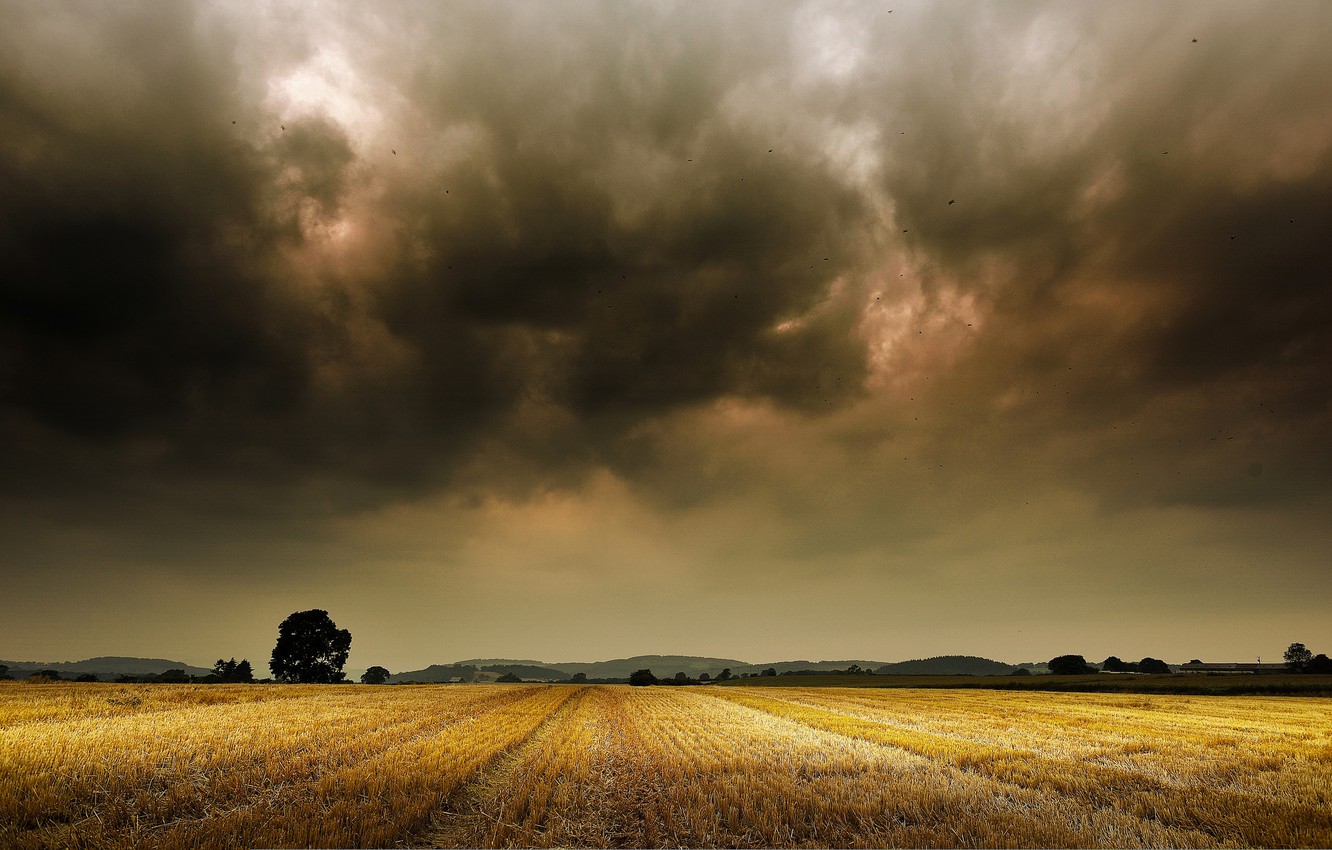
India - Storms damage mango, watermelon, and vegetable crops in Jharkhand
High-velocity winds, heavy rainfall, and hailstorms across Jharkhand in recent days have caused damage to seasonal fruit and vegetable crops, including mangoes, watermelons, tomatoes, coriander, okra, and gourds.
12.05.2026

Canada - AFSC rethinking honey insurance programs offered to Alberta beekeepers
Despite offering coverage for everything from bear attacks to parasitic mites, Alberta’s honey insurance programs continue to see remarkably low participation rates among the province’s beekeepers.
12.05.2026
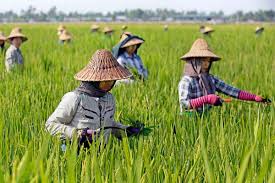
Myanmar - Bago Region CM attended the loan disbursement ceremony
Bago Region Government held the 2026 monsoon season agricultural input loan disbursement ceremony under the 100-Day Plan on the morning of May 12 at Bago City Hall.
12.05.2026

Rwanda - Subsidised insurance for greenhouse growers launched
Rwanda Agriculture and Animal Resources Development Board (RAB) on Thursday, May 7, launched a subsidised insurance for greenhouse agriculture to protect farmers against climate shocks, while encouraging investment in commercial agriculture.
12.05.2026
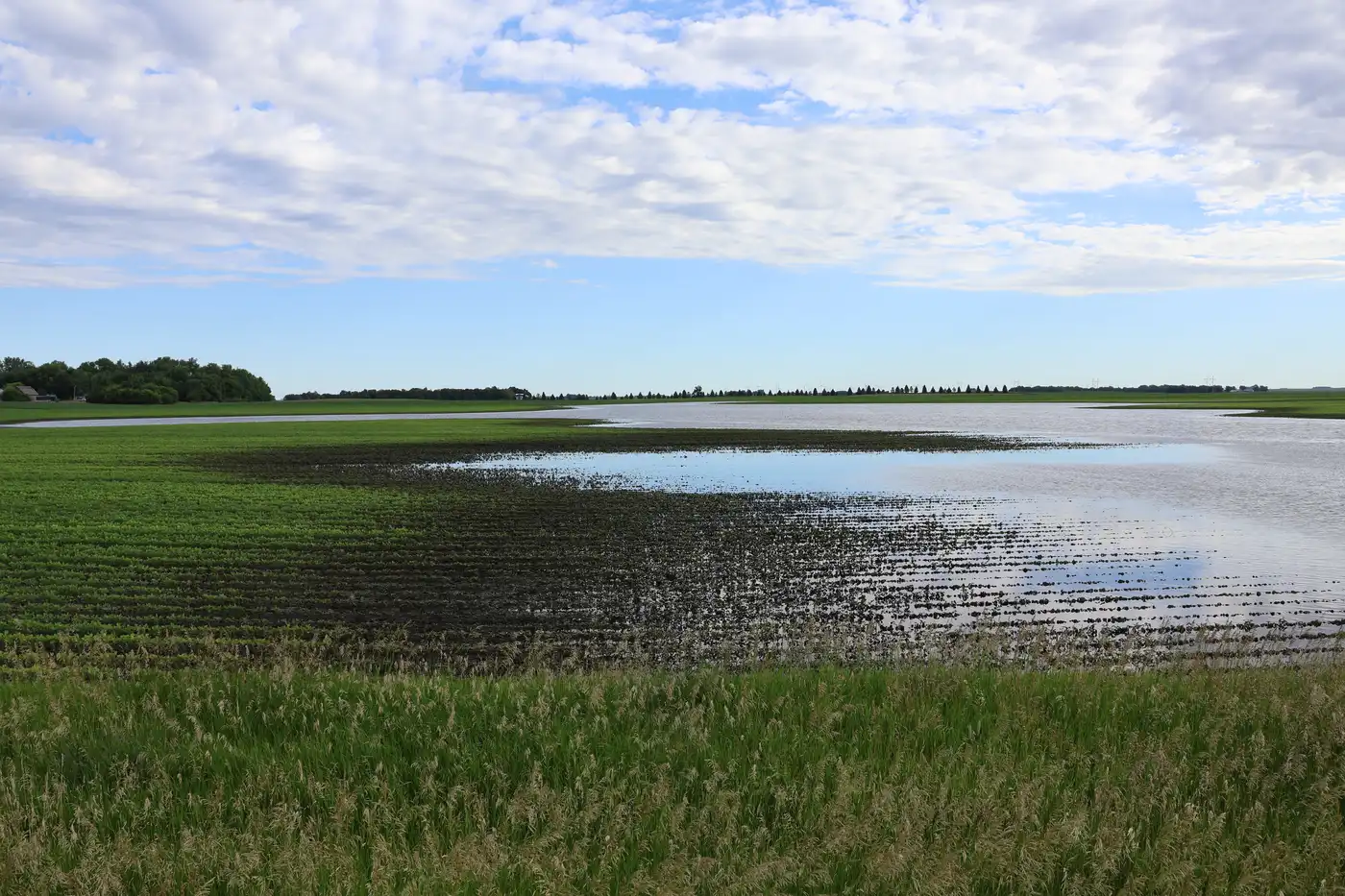
Bangladesh - Tk7.50b Boro paddy spoilt by rains, flash flood in Sylhet
While the farmers in greater Sylhet are still continuing their high labour-intensive venture to harvest Boro paddy, about 40 per cent of the job is yet to be completed for the extensive inundation of their fields caused by incessant rainfalls and runoff.
12.05.2026
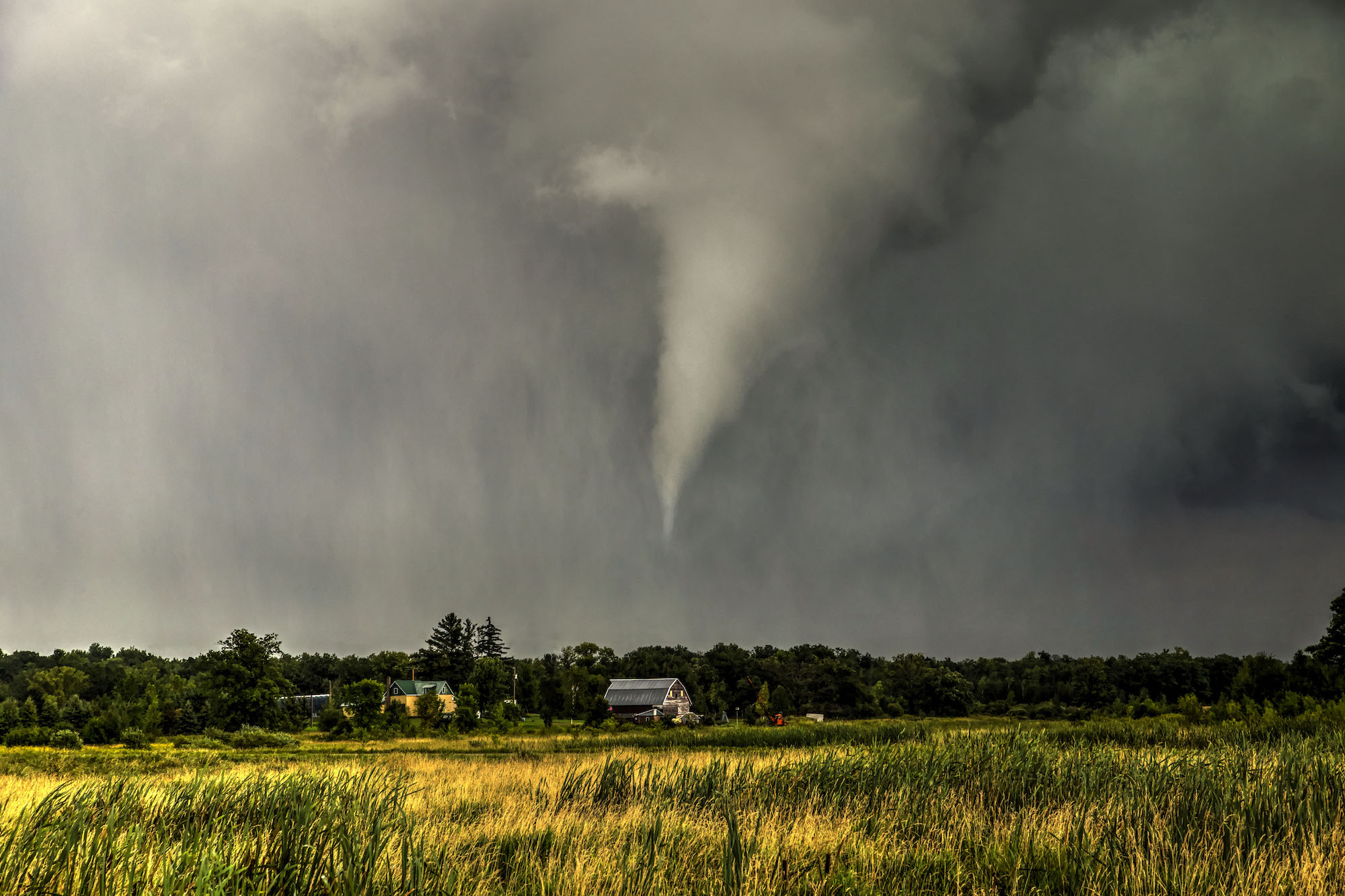
USA - USDA Offers Disaster Assistance to Agricultural Producers in Oklahoma Impacted by Recent Tornadoes
Agricultural operations in Oklahoma have been significantly impacted by recent severe weather and tornadoes. The U.S. Department of Agriculture (USDA) has technical and financial assistance available to help farmers and livestock producers recover from these adverse weather events.
11.05.2026
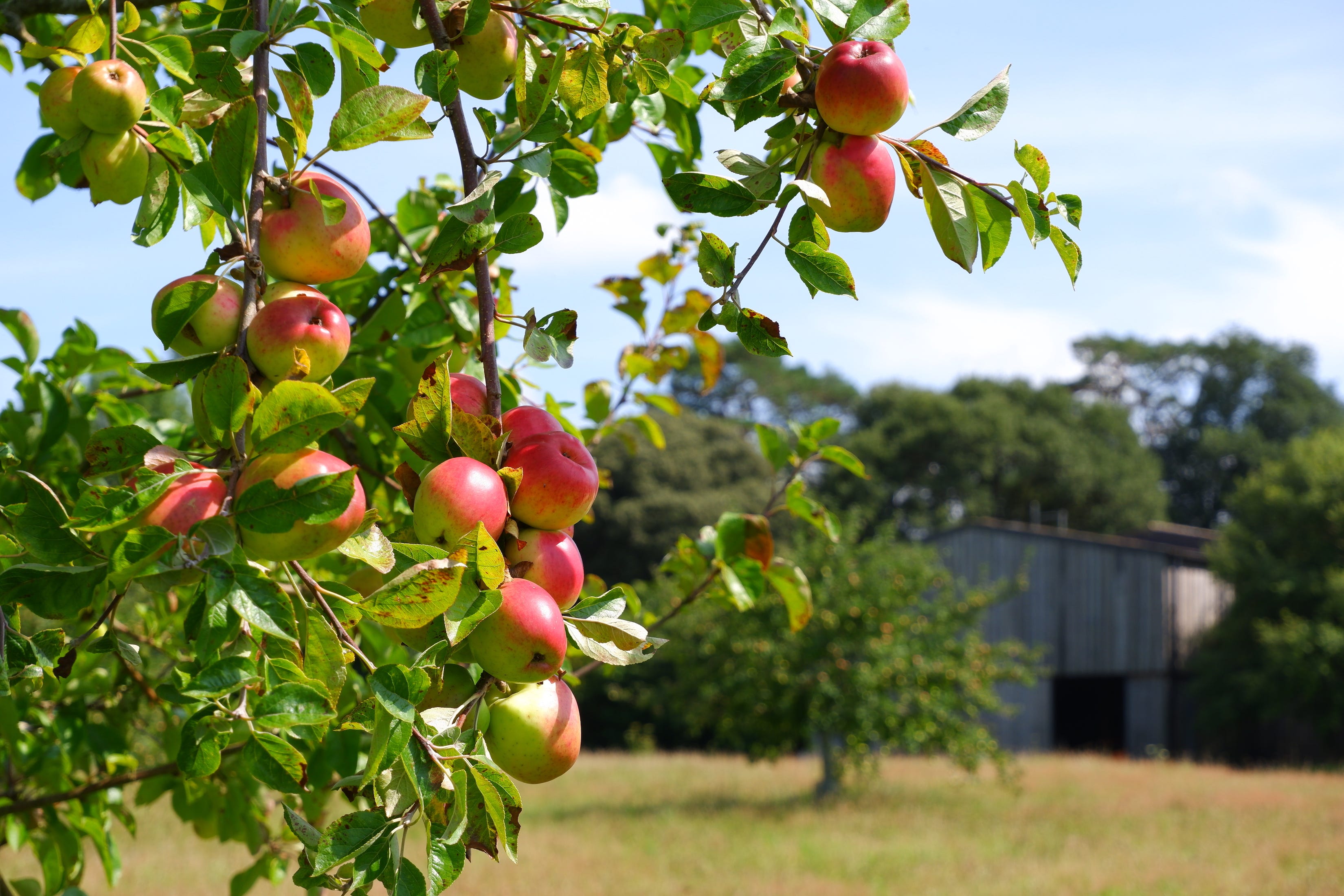
India - Erratic weather cuts Himachal Pradesh apple crop by up to 70%
Himachal Pradesh may face one of its lowest apple harvests in recent years, with growers reporting crop losses of up to 70% across major producing regions due to prolonged erratic weather.
11.05.2026
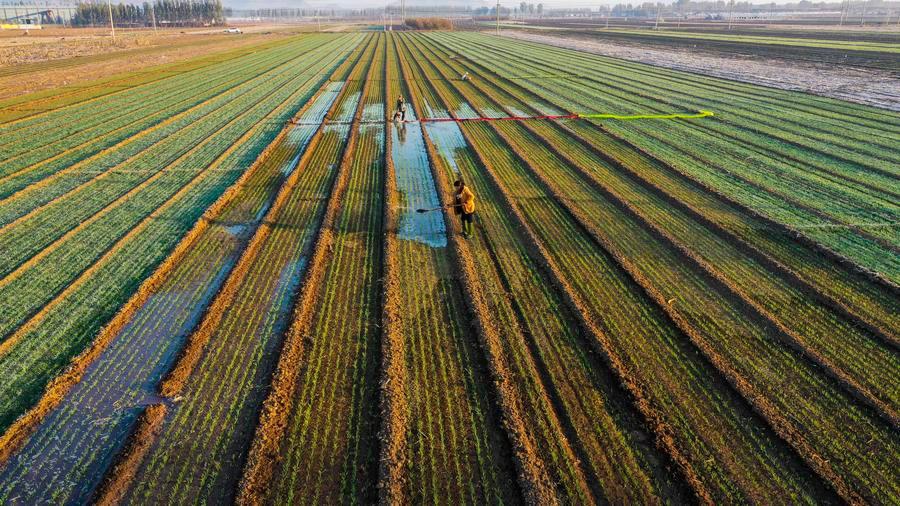
Mongolia Could Face Severe Economic Crisis From Overlapping Climate Shocks
A World Bank Group study warns that Mongolia could face a devastating economic crisis if collapsing coal exports, deadly dzud winters, and catastrophic urban floods strike together, potentially shrinking GDP by over 20 percent in three years.
