India - Give genuine crop insurance a chance

30.03.2015 200 views

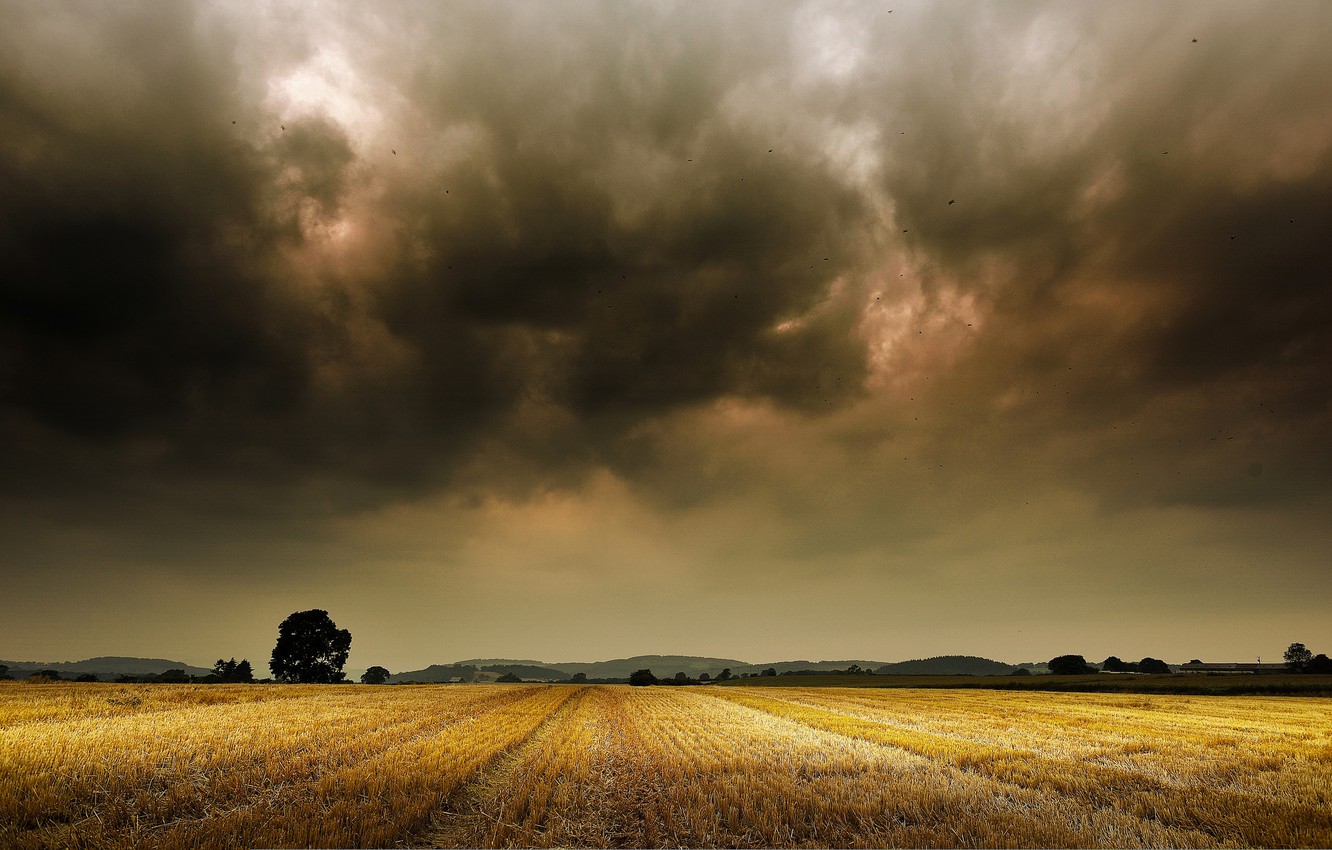
Unseasonal rain has damaged the Rabi crop and farmers want compensation. This is in line with tradition. The tradition must change. Proper insurance must play a bigger role in mitigating risk of this kind. India cannot prosper as a nation if its agriculture remains a low-productivity sink of underemployment and poverty that is at the mercy of the gods of the skies and the lords of the realm. Farming must become a profitable, commercially viable activity, in which the pooling of risk across space and time is recognised as a cost as legitimate as the cost of fertiliser, but will not burden the consumer because of high levels of productivity overall.

Pricing of crop insurance covers should be based on actuarial costs, and products made available to individual farmers. Also, insurance companies will sell crop insurance only when they see opportunity for a positive actuarial outcome, overtime and profit. Political interference must end and insurers allowed to run their business on commercial lines. Farmers, as buyers, must recover the insurance cost from consumers through higher productivity.

Politicians should focus their energies on building rural infrastructure and on removing the barriers to farmers optimising their income.India has tried many crop insurance schemes, but all of them have run up against the problem of identifying the exact loss for individual farmers. So, areas were assessed rather than individual farms. The advent of drones that carry sophisticated remote sensing equipment opens up new possibilities in monitoring and assessment of specific, localised damage. This would, in turn, allow farmers to dump patronage and opt for commercial insurance and higher productivity. In farming too, the government should play enabler, not patron saint.


Source - http://blogs.economictimes.indiatimes.com/

12.05.2026

India - Storms damage mango, watermelon, and vegetable crops in Jharkhand

High-velocity winds, heavy rainfall, and hailstorms across Jharkhand in recent days have caused damage to seasonal fruit and vegetable crops, including mangoes, watermelons, tomatoes, coriander, okra, and gourds.

12.05.2026

Canada - AFSC rethinking honey insurance programs offered to Alberta beekeepers

Despite offering coverage for everything from bear attacks to parasitic mites, Alberta’s honey insurance programs continue to see remarkably low participation rates among the province’s beekeepers.

12.05.2026

Myanmar - Bago Region CM attended the loan disbursement ceremony

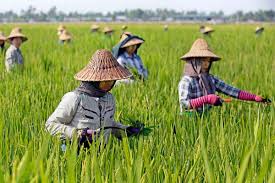
Bago Region Government held the 2026 monsoon season agricultural input loan disbursement ceremony under the 100-Day Plan on the morning of May 12 at Bago City Hall.

12.05.2026

Rwanda - Subsidised insurance for greenhouse growers launched

Rwanda Agriculture and Animal Resources Development Board (RAB) on Thursday, May 7, launched a subsidised insurance for greenhouse agriculture to protect farmers against climate shocks, while encouraging investment in commercial agriculture. 

12.05.2026

Bangladesh - Tk7.50b Boro paddy spoilt by rains, flash flood in Sylhet

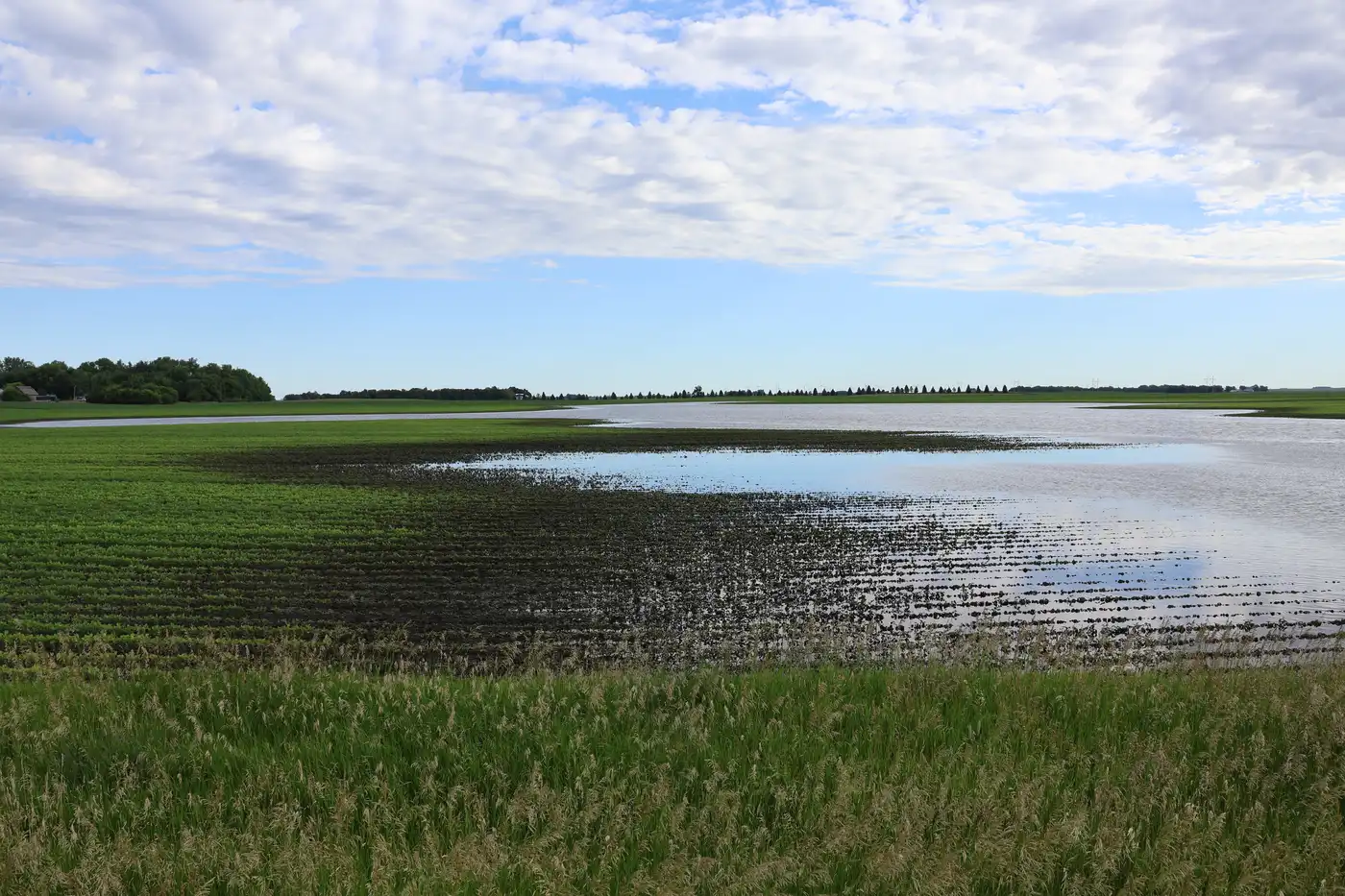
While the farmers in greater Sylhet are still continuing their high labour-intensive venture to harvest Boro paddy, about 40 per cent of the job is yet to be completed for the extensive inundation of their fields caused by incessant rainfalls and runoff.

12.05.2026

USA - USDA Offers Disaster Assistance to Agricultural Producers in Oklahoma Impacted by Recent Tornadoes

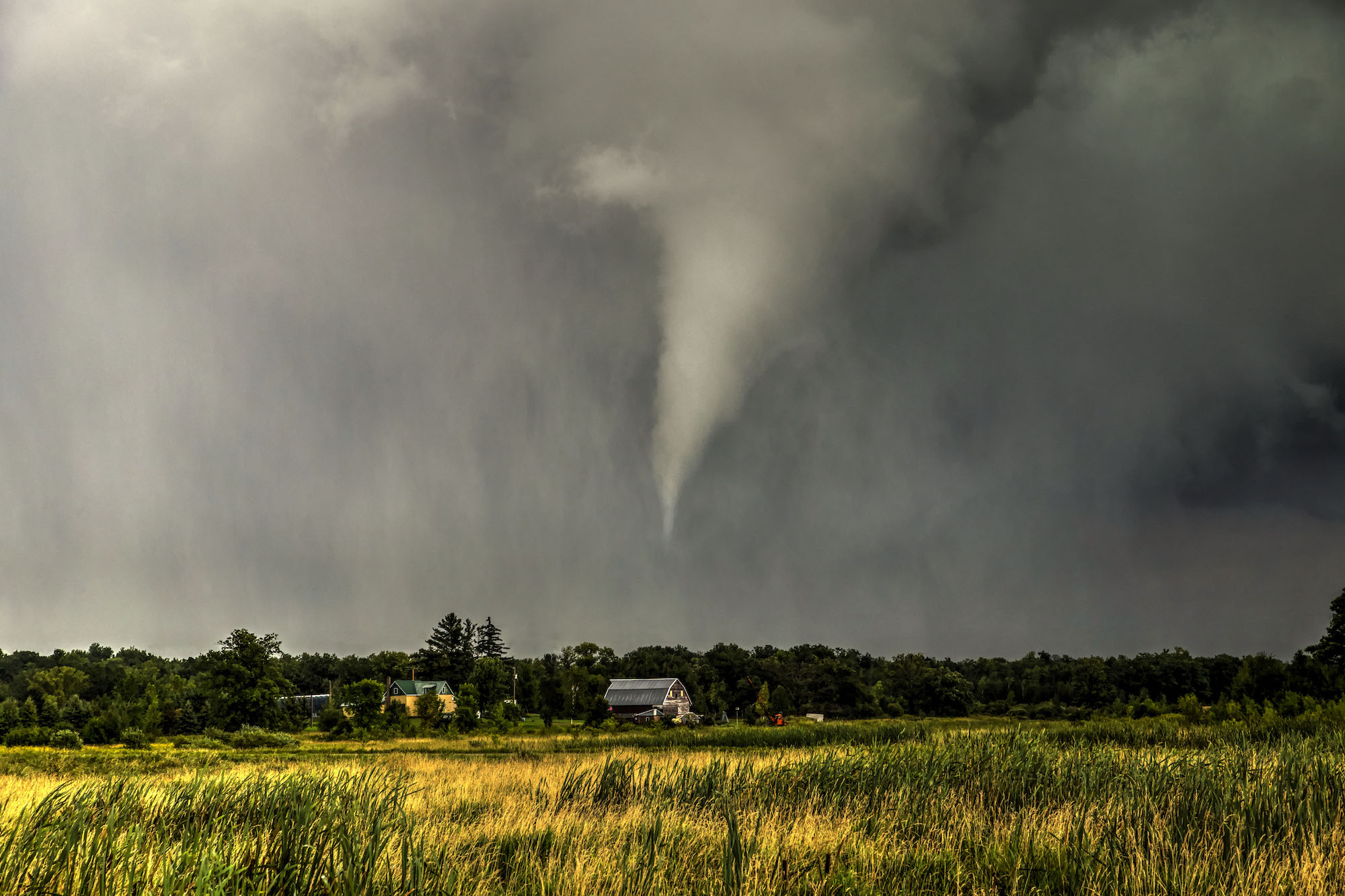
Agricultural operations in Oklahoma have been significantly impacted by recent severe weather and tornadoes. The U.S. Department of Agriculture (USDA) has technical and financial assistance available to help farmers and livestock producers recover from these adverse weather events.

11.05.2026

India - Erratic weather cuts Himachal Pradesh apple crop by up to 70%

Himachal Pradesh may face one of its lowest apple harvests in recent years, with growers reporting crop losses of up to 70% across major producing regions due to prolonged erratic weather.

11.05.2026

Mongolia Could Face Severe Economic Crisis From Overlapping Climate Shocks

A World Bank Group study warns that Mongolia could face a devastating economic crisis if collapsing coal exports, deadly dzud winters, and catastrophic urban floods strike together, potentially shrinking GDP by over 20 percent in three years.