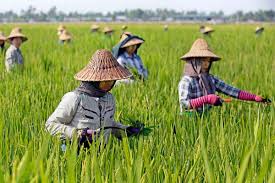
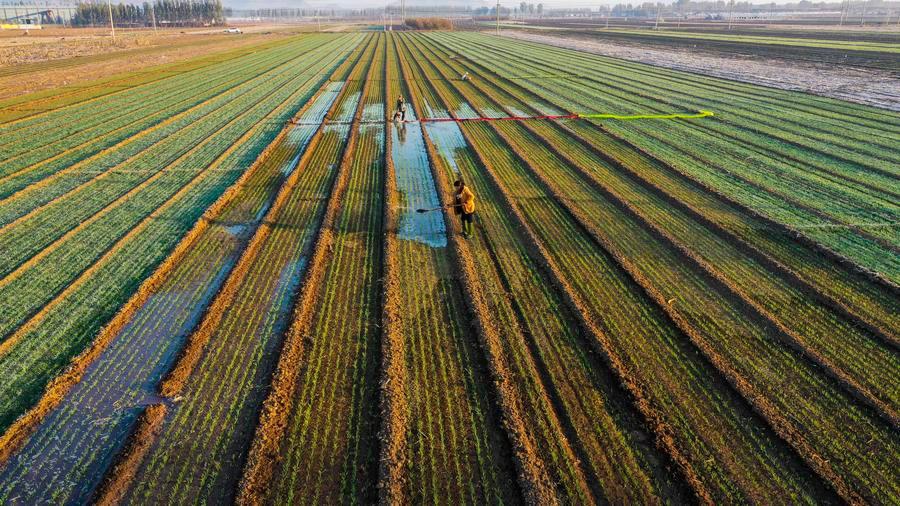
Agriculture officials expect farmers to have harvested their rice crops to avoid losses from the dry spell.
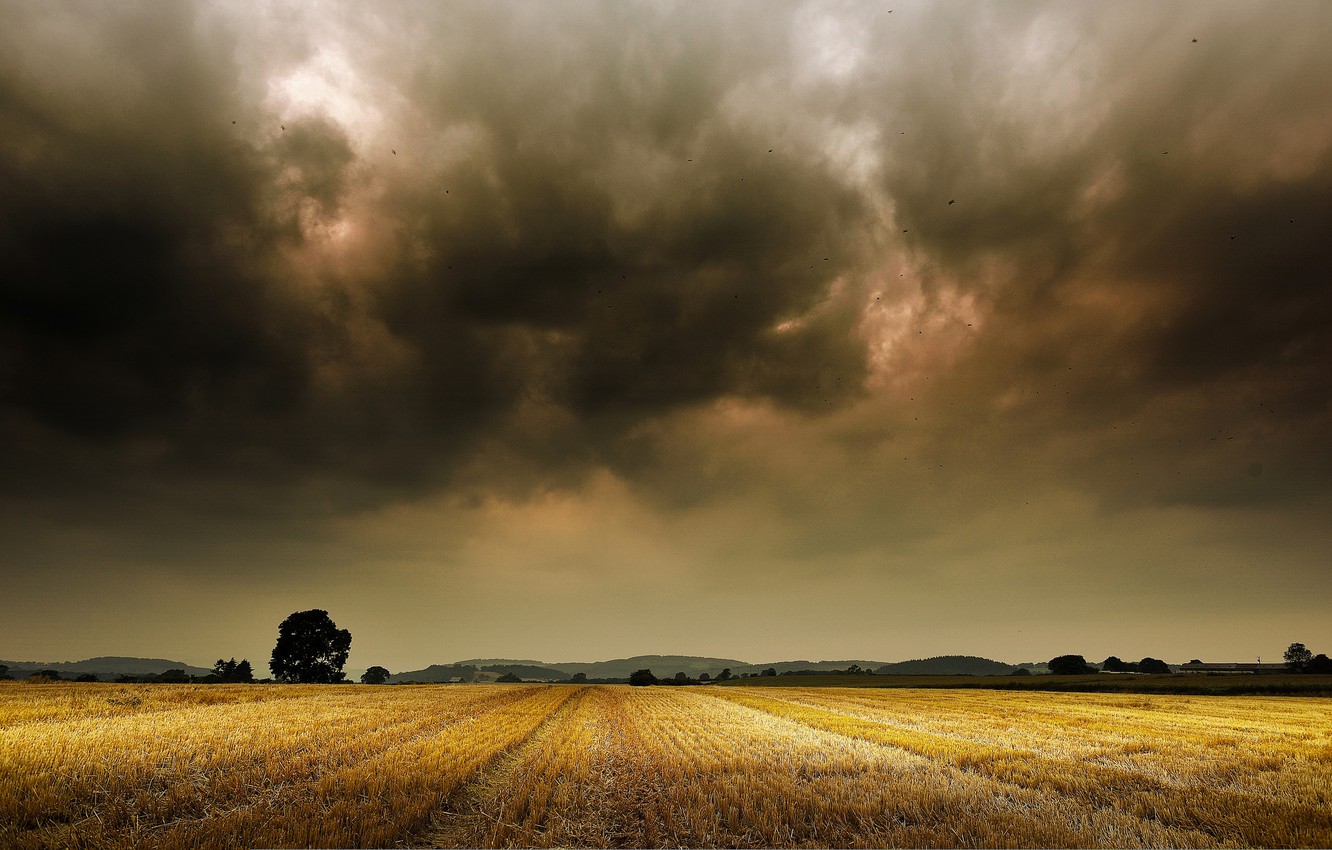
The El Nino phenomenon or drought, which affects Region 1, has started last September and is expected to last until July this year.
Weather officials said the dry spell, which was felt during the last week of February in La Union, has affected both the agriculture and fishery sectors.
Ning Peralta of the Department of Agriculture had advised farmers last year that they should have harvested their crops by the time the dry spell is at its peak.
She said farmers were asked to plant early maturing variety of palay starting last year and suitable for gathering within three months.
"At this time that the peak of dry spell has started, farmers should now shift from crops that need less amount of water but still can survive the weather condition like corn, legumes, and nuts," Peralta said.
The DA set programs which will address the weather phenomenon in various stages.
Aside from advocacy and information campaigns in the four Ilocos provinces, the DA also conducted a survey of vulnerable areas, subsidized seeds, conducted cloud-seeding, vaccinated poultry and livestock and distributed disinfectants.The education department is now enjoined to integrate in their lessons topics on El Nino and La Nina. Emphasis shall be on the nature, adverse effects and how each one can contribute in mitigating the effects of these weather disturbances.Of the 47 provinces identified by PAGASA to be vulnerable to El Nino the four region 1 provinces, La Union, Ilocos Sur, Ilocos Norte, and Pangasinan were included.Earlier this month, the City of San Fernando experienced fish kills in separate areas like barangays Biday, Bangcusay and Dalumpinas.
Source - http://news.pia.gov.ph/