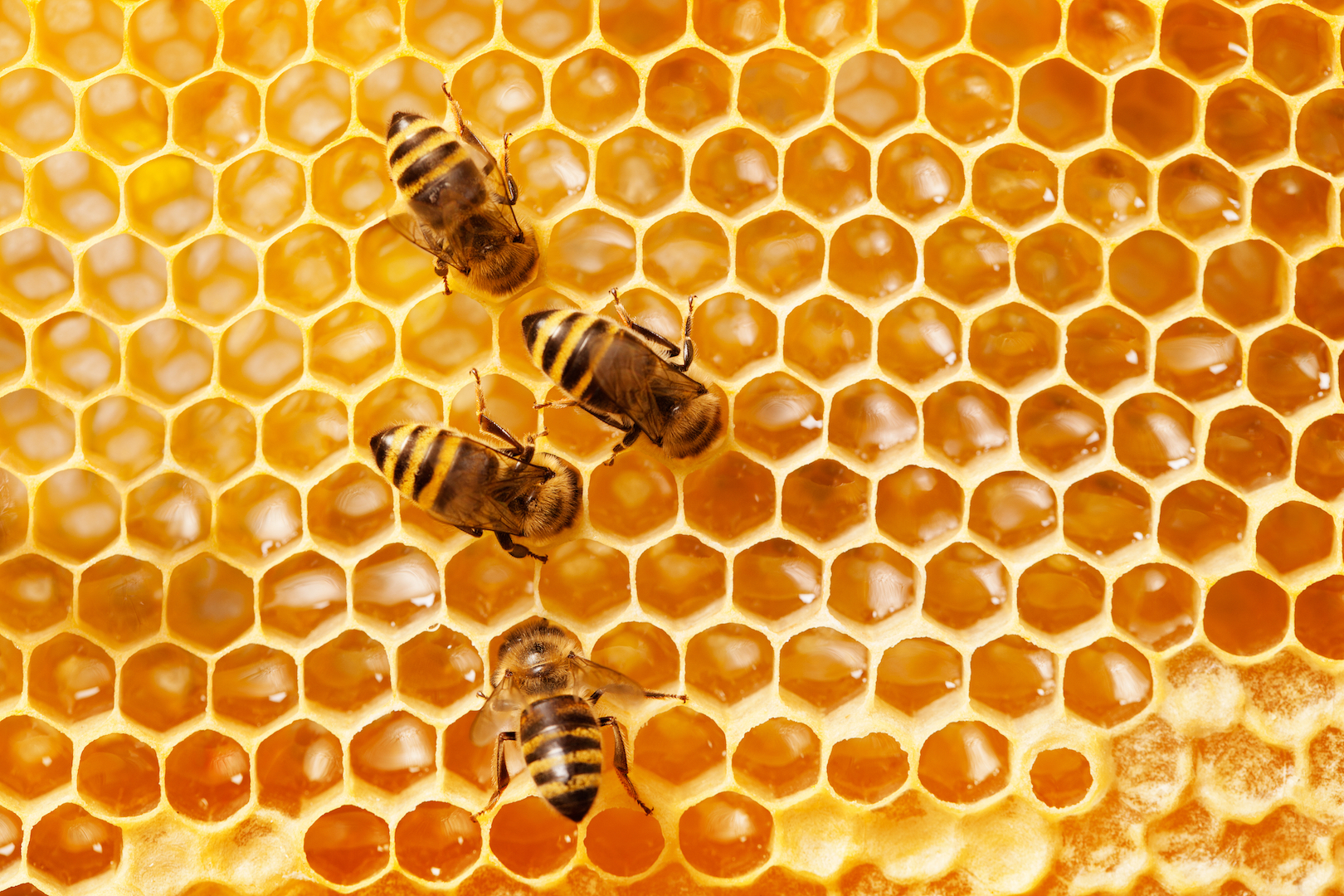
Penn State researchers say the use of bee-killing neonicotinoid pesticides spiked in the mid-2000s, not in response to a documented crop threat, but as a prophylactic treatment against uncertain insect attacks.
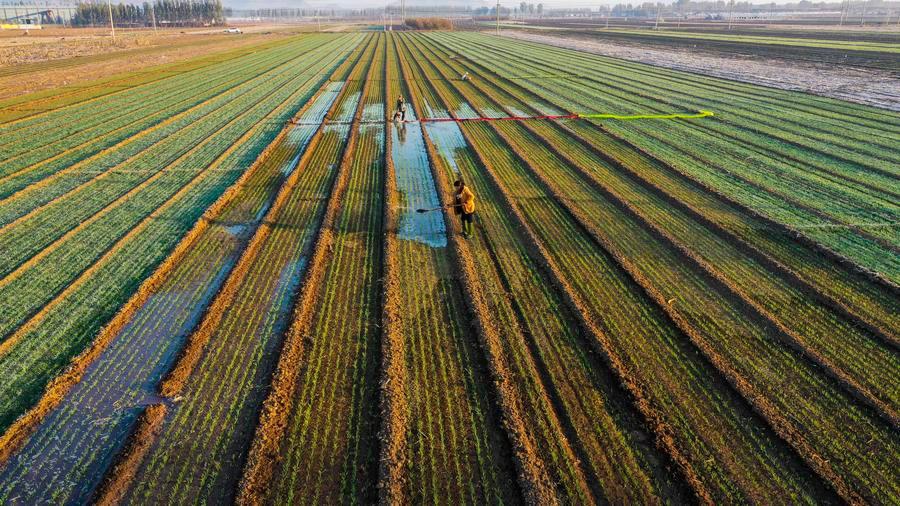
The growth is primarily due to the use of neonicotinoids in the treatment of corn and soybean seeds. In 2000, less than 5 percent of soybean acres and less than 30 percent of corn acres were treated with an insecticide, but by 2011, at least a third of all soybean acres and at least 79 percent of all corn acres were planted with neonicotinoid-coated seed.
Numerous studies around the world have shown that systemic pesticides are a big part of what’s driving the collapse of honeybee colonies. The European Union has suspended neonicotioid use on bee-attractive crops and is also studying potential health threats to people. Last week, the EPA said it wouldn’t consider any “new” uses for neonicotinoids until new risk assessments are complete.
“Previous studies suggested that the percentage of corn acres treated with insecticides decreased during the 2000s, but once we took seed treatments into account we found the opposite pattern,” said Margaret Douglas, aPenn State graduate student in entomology. “Our results show that application of neonicotinoids to seed of corn and soybeans has driven a major surge in the U.S. cropland treated with insecticides since the mid-2000s.”
Since neonicotinoid seed treatments are not well documented by U.S. government pesticide surveys, the researchers compiled data from the U.S. Geological Survey and the U.S. Department of Agriculture. Both reported aspects of neonicotinoid use, but did not estimate seed treatment use specifically.
Using these data, together with information from insecticide product labels, the team estimated the percentage of land planted in corn and soybeans in which neonicotinoid-treated seeds have been used since these products were introduced in the mid-2000s. They corroborated their results with information from the U.S. Environmental Protection Agency and DuPont Pioneer, a major seed supplier.
The researchers also found that the vast majority of neonicotinoids are used on crops, rather than in other arenas such as people’s homes or gardens, or in turf grass and ornamental settings.
“Adoption of neonicotinoid insecticides by seed companies and farmers has been very rapid and does not appear to relate well to a corresponding risk from insect pests,” said John Tooker, associate professor of entomology. “This pattern suggests that neonicotinoids are often being used as an ‘insurance policy’ against uncertain insect attack, rather than in response to a documented pest threat.”
According to Douglas, the results inform an ongoing debate that is driven by detection of neonicotinoids in the environment and their possible negative effects on non-target animals, including wild and managed pollinators.
“Regulators, seed companies, farmers and the public are weighing the costs and benefits of neonicotinoid use,” she said. “This debate has been happening in a void of basic information about when, where and how neonicotinoids are used. Our work is holding up a mirror so that this conversation can be informed by basic facts about neonicotinoid use.”
In the future, the researchers plan to better document the prevalence of secondary insect pests targeted by seed treatments. They also will explore the unintended effects of neonicotinoid seed treatments on predatory insects that help to suppress insect pests. Finally, they are studying alternative management practices for early-season insect pests, for instance, using cover crops to reduce pest pressure and foster predatory insects.
Source - http://summitcountyvoice.com/