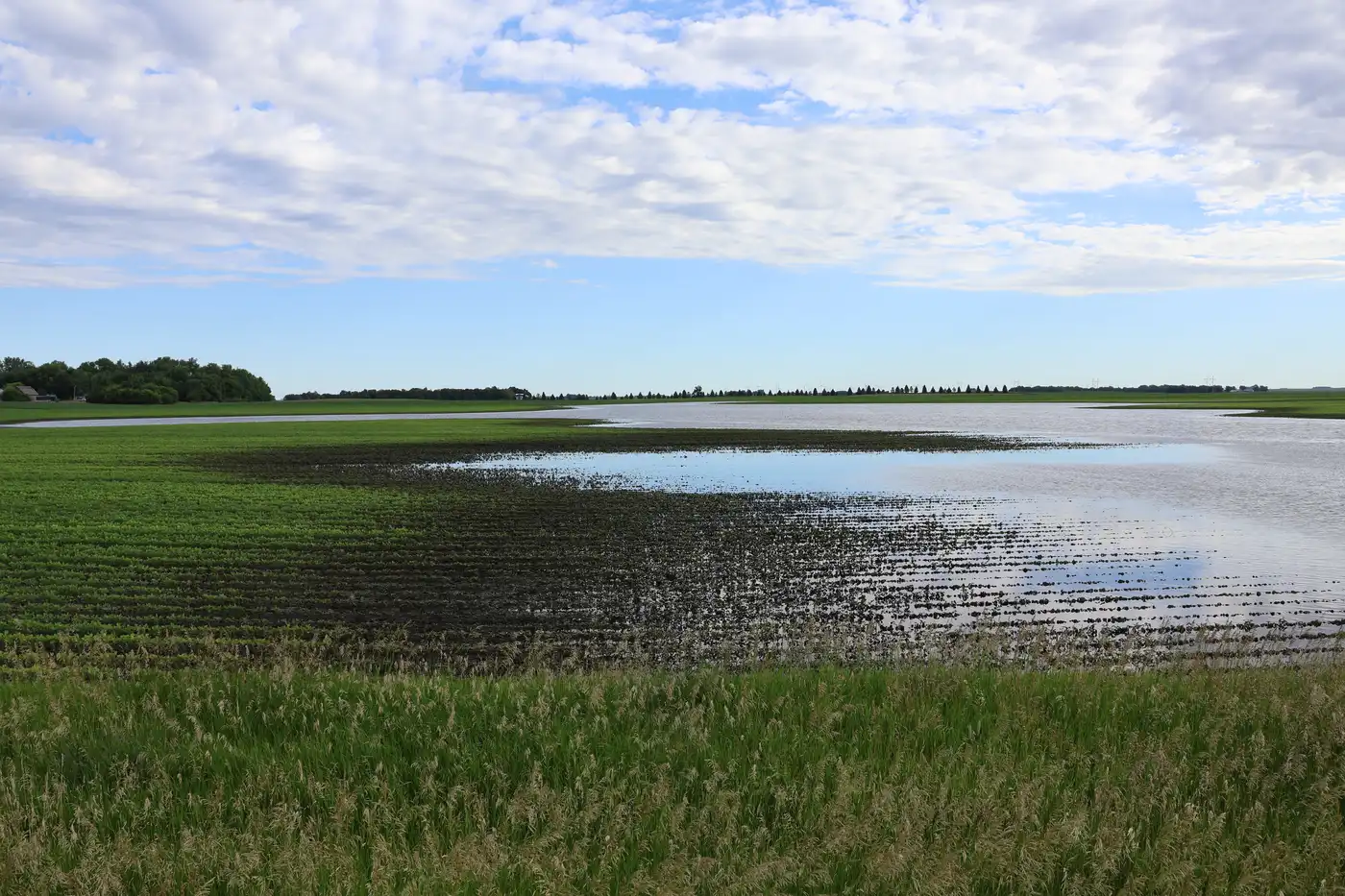
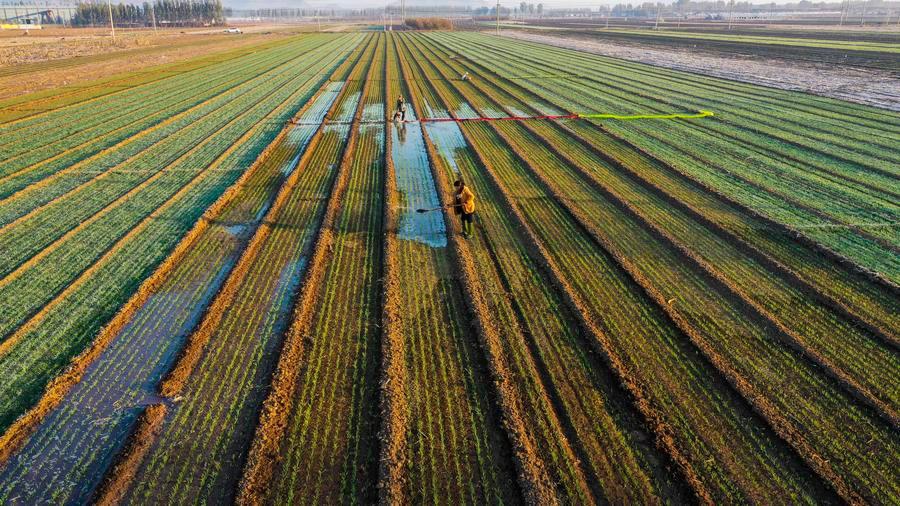
As millions of farmers in Pakistan and neighbouring India bear the brunt of unseasonal, heavy rains that have destroyed their crops, some have devised their own mitigation plans to cope with the crisis.
Muhammad Nageen, a farmer in Thoi Valley in Pakistan’s mountainous Gilgit Baltistan area, is not familiar with the phrase climate change, but knows only too well the phenomenon of untimely, heavy rain that has led him to shift from wheat to potatoes and onions.
As experts debate the why and the how of climate change in seminar rooms the world over and unseasonal rains lash Pakistan and neighbouring India, leading to fears of food production being significantly lowered, farmers like Nageen are crafting their own mitigation plans.
The sowing season for a single crop started in the mountain valleys of the upper Indus region of Gilgit Baltistan shortly after the harsh winter.
But this time Nageen decided to do something different. His wheat crop – the source of his livelihood and on which depended food as well as fodder — had been damaged for several years due to the change in the rain pattern and he has now moved to potatoes and onions that he believes will be more resilient.
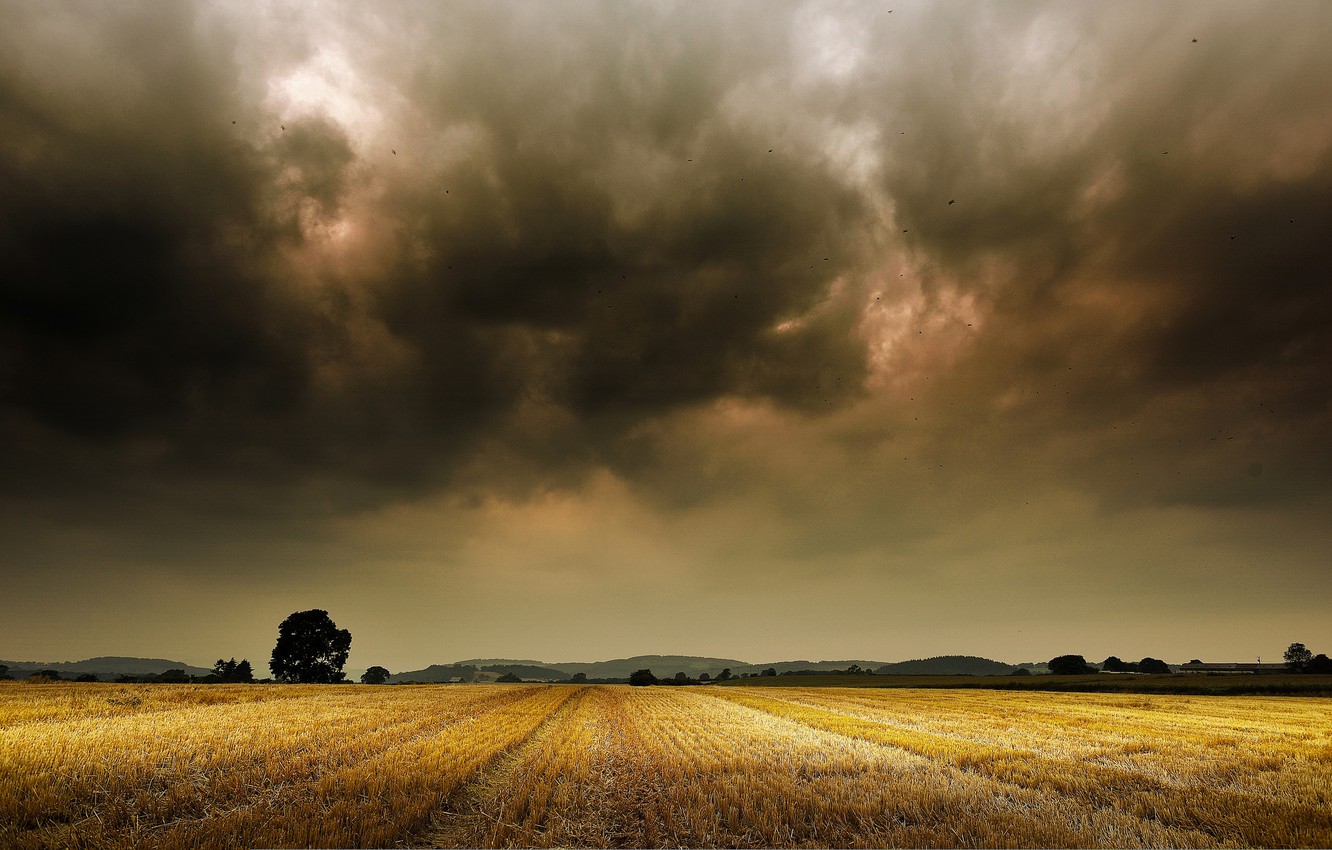
Firm in his belief that wheat will no longer bring in the dividends, he is keen on converting his 20 acres of fertile land to orchards in the long term. Every year, the ready wheat crop is either partially or completely damaged by the end of August or early September because of torrential rains. First, the standing crops flatten due to strong winds, then the grain swells and ultimately becomes useless due to the moisture.
“I have no other option but to grow potatoes and onions to sell in the market and buy wheat in return. Growing wheat in these valleys seems to no more a productive option,” said Nageen. Every year, he added, the wheat crop is reduced to rubbish.
Experts believe this is part of a climate change, which has been affecting the upper Indus area. The snow continues till early March and the harsh winter sets in in mid September itself. It takes at least five months to grow wheat in the mountain areas.
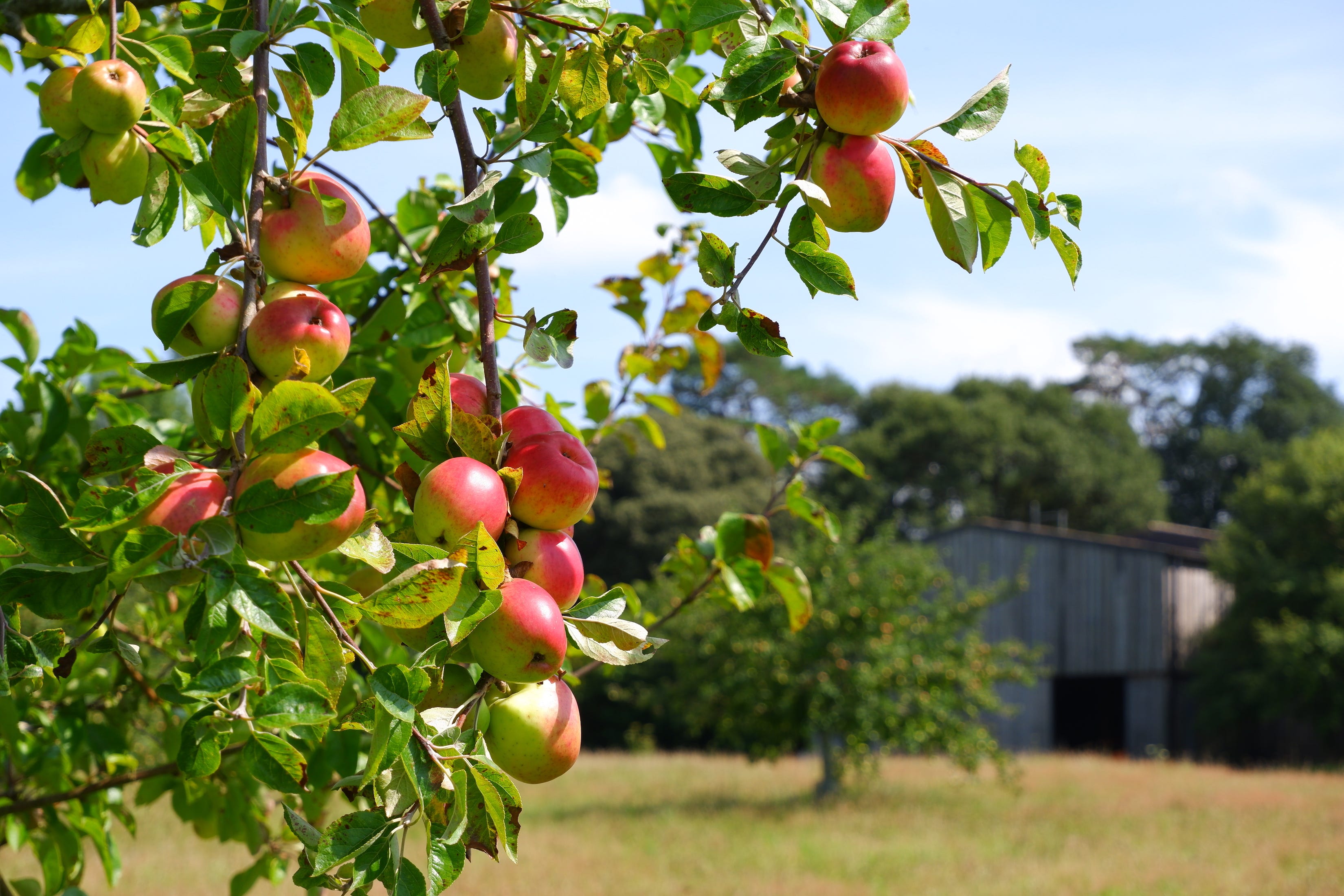
Like Nageen, many others are doing a rethink on how to adapt to changing circumstances. Hundreds of small farmers in the region are shifting from wheat. Many people have started growing orchards of apricots, almonds and apples as an alternate option to avoid losses of livelihood due to erratic rainfall.
Mayoon Khan from Barkulti village is amongst those suffering the consequences of hail and heavy rain during the harvest season. “I have planted apricot and cherry trees in two fields. I used to grown wheat in those fields,” he said. In a third field, he is growing potatoes that can withstand the vagaries of rain and also fetch an attractive market price.
Ashraf Wali from Umalchat village is in the same boat too. The certainties of the past no longer hold and they are unsure about when to sow the crop.
Source - http://www.eco-business.com/