Bangladesh - Salty soil set to hamper crop production

09.04.2015 158 views

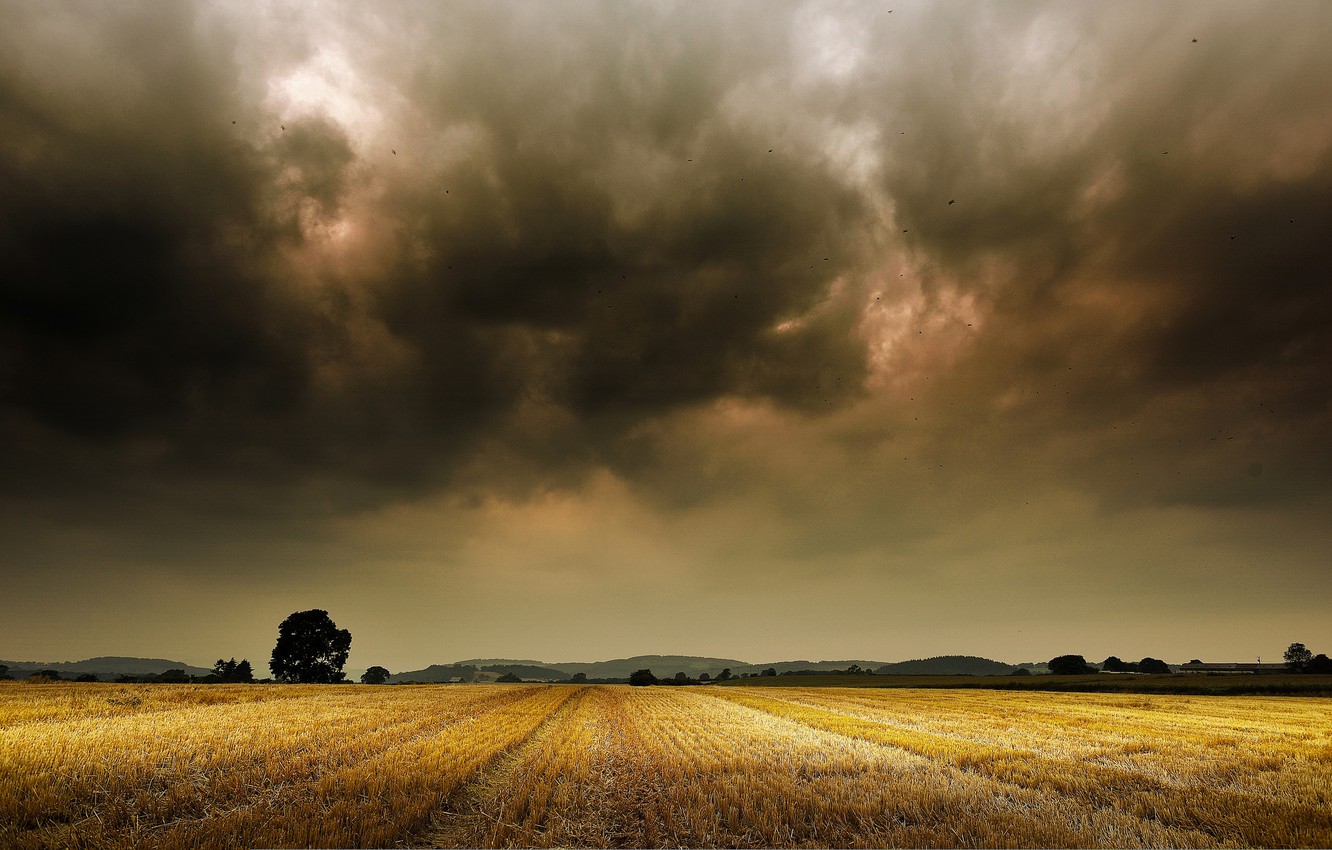
Scientists have quantified the effect of climate change on soil salinity and crop production in Bangladesh. Their models suggest the monsoon will be unable to fully leach dry season salt deposits and that salt accumulation will become a major issue for farmers in coastal regions with farm productivity dropping by as much as 50%.

‘Maintaining or increasing food production in the face of climate change is an important future challenge for society, particularly in coastal areas subject to sea level rise,’ says land and water management researcher Ian Holman, from the Cranfield Water Science Institute in the UK, who was not involved in the research. 80% of Bangladesh is covered by low-lying floodplains making the country vulnerable to sea level rise and salt intrusion. Fertile soil and the climate within these costal zones allow for a wide array of crops to be cultivated, accounting for 30% of arable land within Bangladesh. Sustaining, if not growing, the agriculture sector is therefore paramount to the survival of the 35 million people that inhabit these regions as well as their national economy.

From November to May, during the dry season, soil salinity increases as water evaporates. Large areas of land cannot be used for crop production until the next monsoon season flushes out accumulated salts. But by the end of the 21st century the dry season is predicted to be 2–3 weeks longer. A larger volume of irrigation water, obtained from surface or groundwater will be used, increasing salt intrusion as sea level rises further taint groundwater aquifers. This diminishes the monsoon’s ability to remove accumulated salt.

The models for assessing these drought and salinity problems were developed by Derek Clarke from the University of Southampton, UK, with colleagues in the UK and Bangladesh as part of the ESPA Delta project, which investigates the impacts of environmental change in India and Bangladesh on people's livelihoods. Historical data was used to predict soil water balances, dry season irrigation requirements and the effectiveness of the monsoon season rainfall at leaching accumulated salts.

The team discovered that irrigation with water that contained a salinity measure of 8ppt resulted in incomplete salt leaching and an average crop loss of 50%. This level of damage is likely to make farming unsustainable and since salinisation is difficult to counteract, the ESPA Delta project is now researching salt tolerant crops.

Source - http://www.rsc.org/

12.05.2026

India - Storms damage mango, watermelon, and vegetable crops in Jharkhand

High-velocity winds, heavy rainfall, and hailstorms across Jharkhand in recent days have caused damage to seasonal fruit and vegetable crops, including mangoes, watermelons, tomatoes, coriander, okra, and gourds.

12.05.2026

Canada - AFSC rethinking honey insurance programs offered to Alberta beekeepers

Despite offering coverage for everything from bear attacks to parasitic mites, Alberta’s honey insurance programs continue to see remarkably low participation rates among the province’s beekeepers.

12.05.2026

Myanmar - Bago Region CM attended the loan disbursement ceremony

Bago Region Government held the 2026 monsoon season agricultural input loan disbursement ceremony under the 100-Day Plan on the morning of May 12 at Bago City Hall.

12.05.2026

Rwanda - Subsidised insurance for greenhouse growers launched

Rwanda Agriculture and Animal Resources Development Board (RAB) on Thursday, May 7, launched a subsidised insurance for greenhouse agriculture to protect farmers against climate shocks, while encouraging investment in commercial agriculture. 

12.05.2026

Bangladesh - Tk7.50b Boro paddy spoilt by rains, flash flood in Sylhet

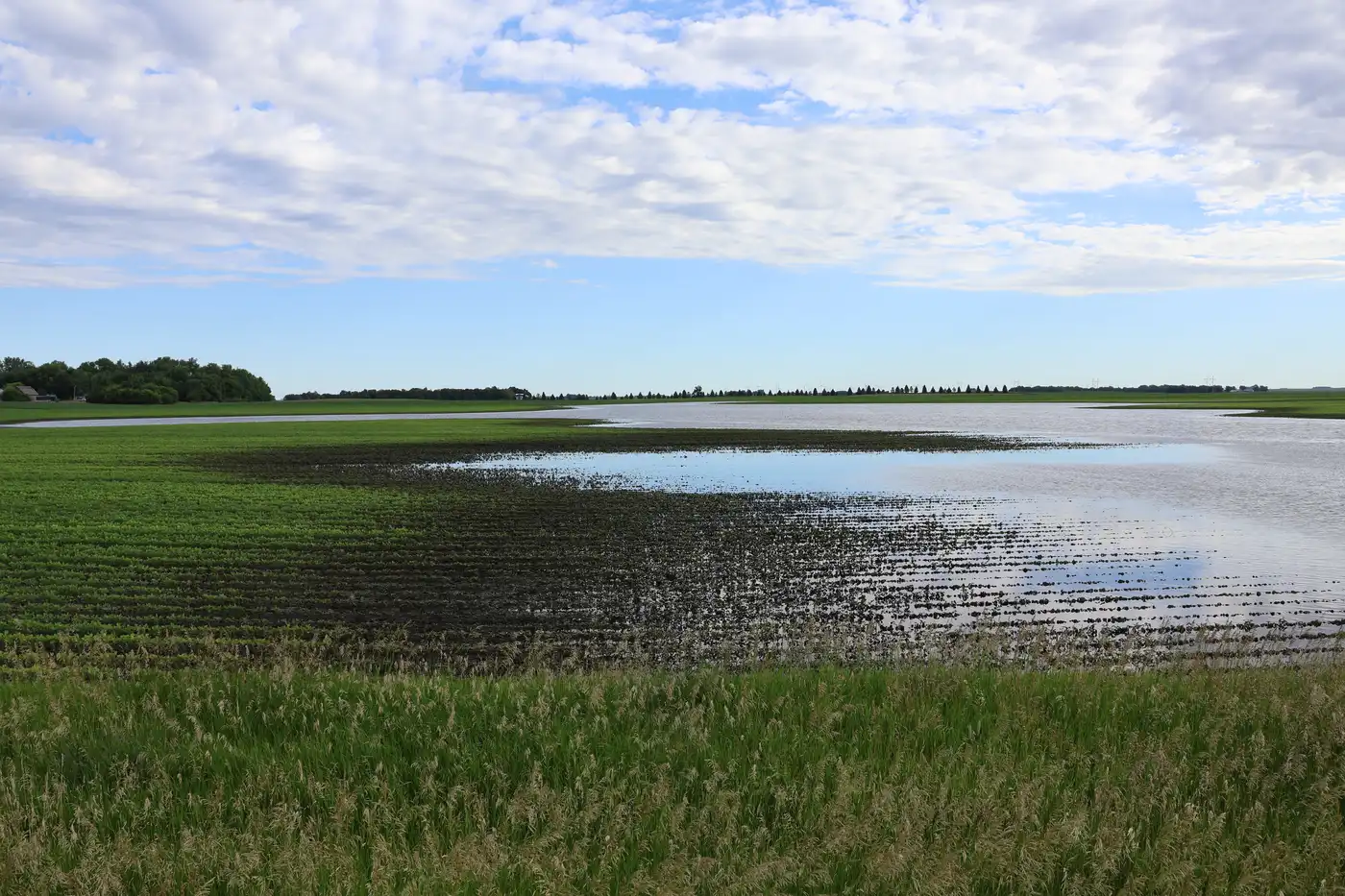
While the farmers in greater Sylhet are still continuing their high labour-intensive venture to harvest Boro paddy, about 40 per cent of the job is yet to be completed for the extensive inundation of their fields caused by incessant rainfalls and runoff.

12.05.2026

USA - USDA Offers Disaster Assistance to Agricultural Producers in Oklahoma Impacted by Recent Tornadoes

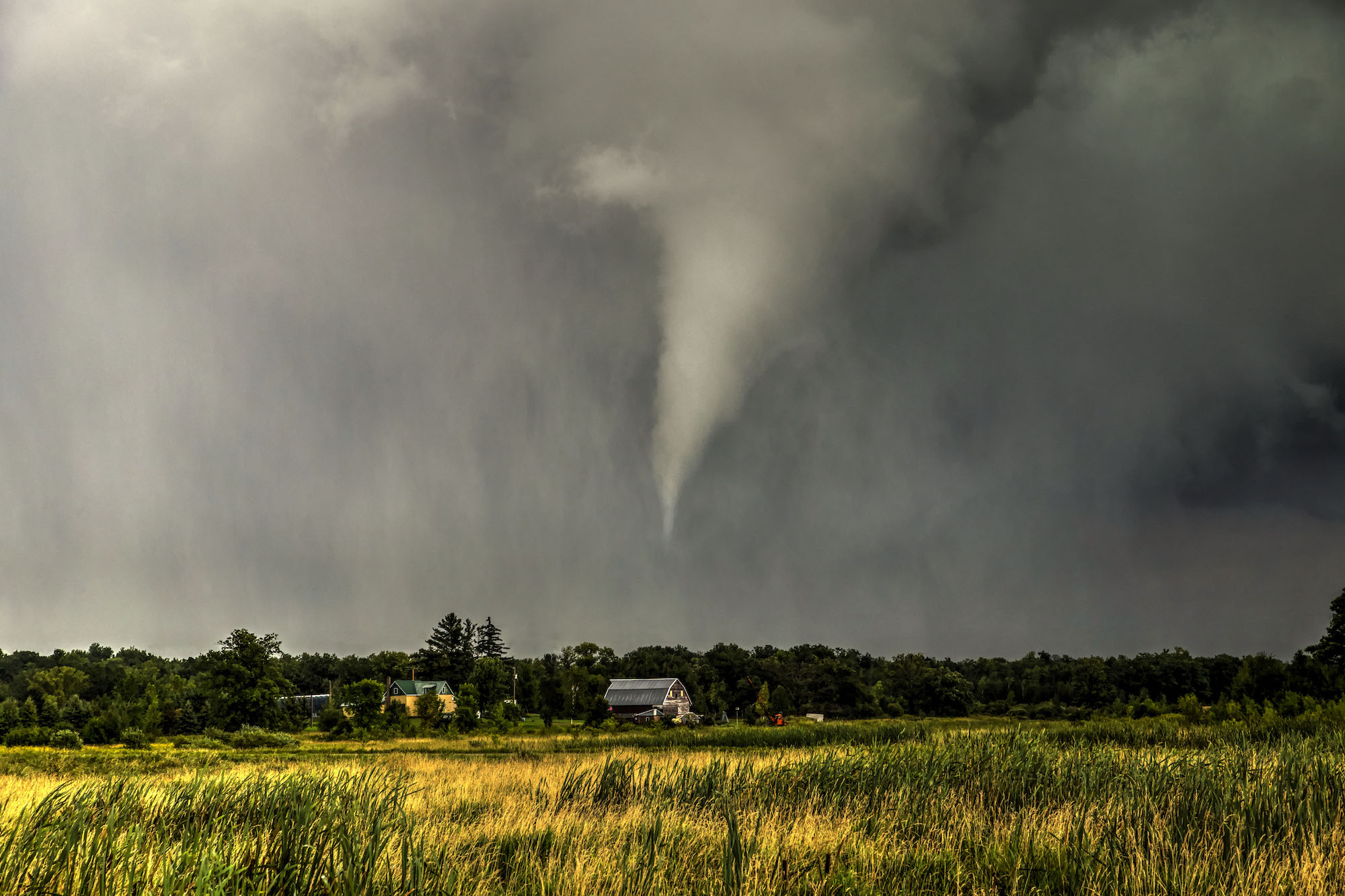
Agricultural operations in Oklahoma have been significantly impacted by recent severe weather and tornadoes. The U.S. Department of Agriculture (USDA) has technical and financial assistance available to help farmers and livestock producers recover from these adverse weather events.

11.05.2026

India - Erratic weather cuts Himachal Pradesh apple crop by up to 70%

Himachal Pradesh may face one of its lowest apple harvests in recent years, with growers reporting crop losses of up to 70% across major producing regions due to prolonged erratic weather.

11.05.2026

Mongolia Could Face Severe Economic Crisis From Overlapping Climate Shocks

A World Bank Group study warns that Mongolia could face a devastating economic crisis if collapsing coal exports, deadly dzud winters, and catastrophic urban floods strike together, potentially shrinking GDP by over 20 percent in three years.