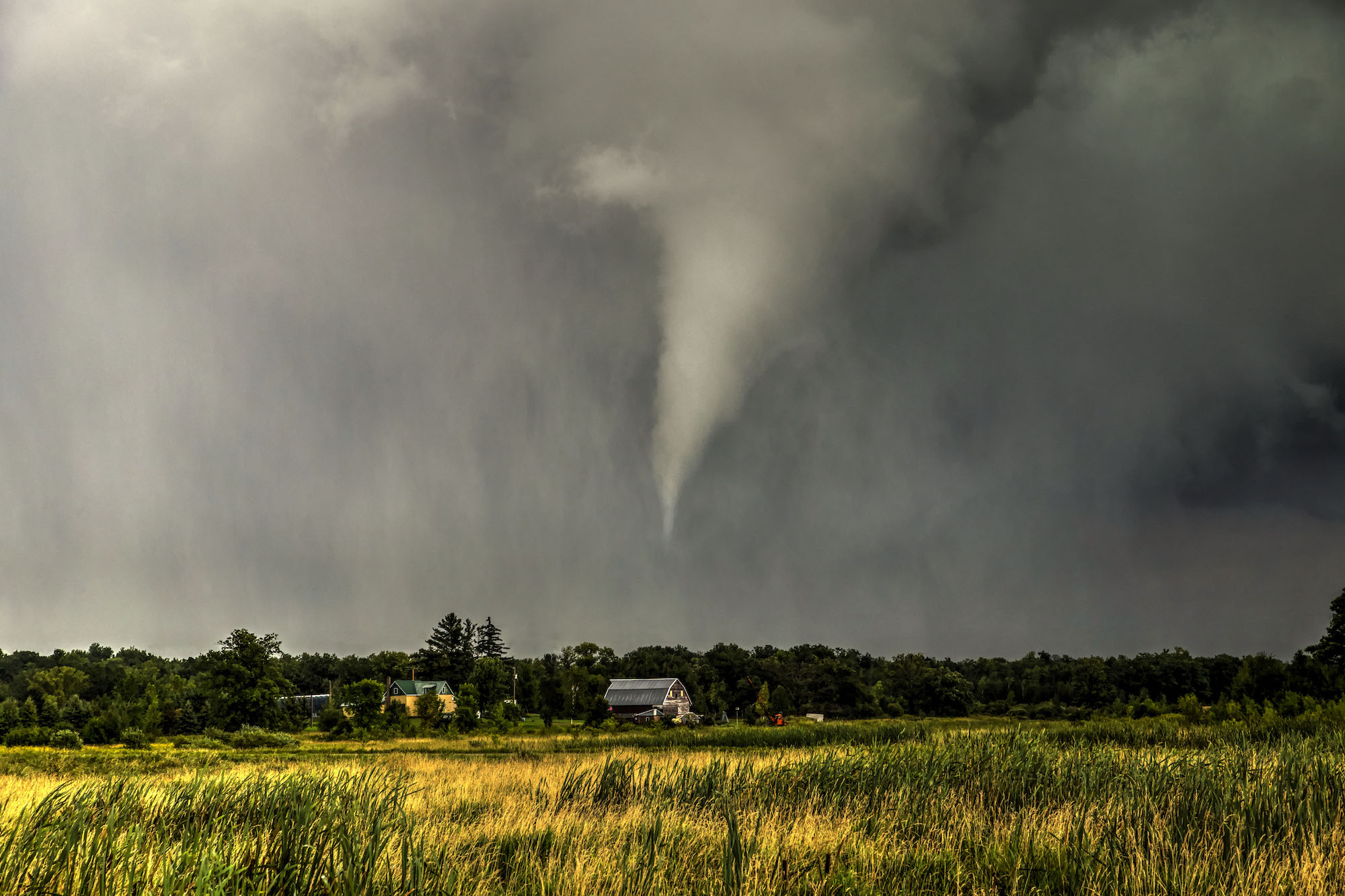
Climate change has contributed to Zimbabwe's economic woes due to the increased frequency of floods, droughts and violent storms which have resulted in massive financial losses in the agricultural sector.
Speaking at a report back meeting on the 20th Conference of Parties (COP) to the United Nations Framework Convention on Climate Change held in Harare, chief secretary to the President and Cabinet, Misheck Sibanda, said climate change had affected the country's economic growth.
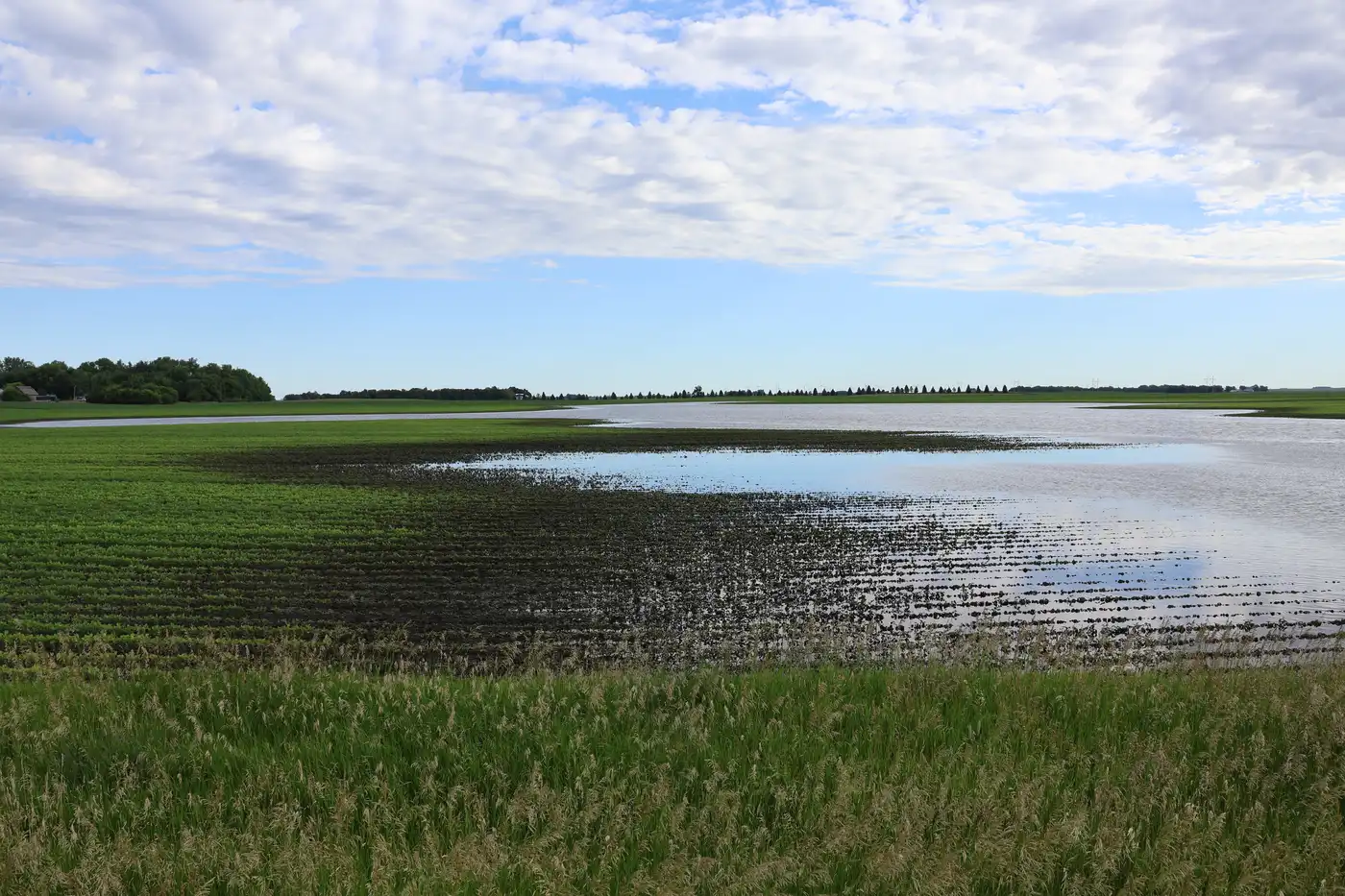
He highlighted that the vagaries of extreme weather conditions had resulted in infrastructure damages, while human and animal loses had been observed. There had been extreme flooding in Mashonaland West, Mashonaland Central, Mashonaland East, Midlands, Harare, Masvingo and Manicaland during the rain season, he said.
The incessant rains also affected this year's maize output, with analysts projecting a crop of between 700 000 and 800 000 tonnes down from 1,4 million tonnes the previous year. The country will therefore need to import over one million tonnes of maize.
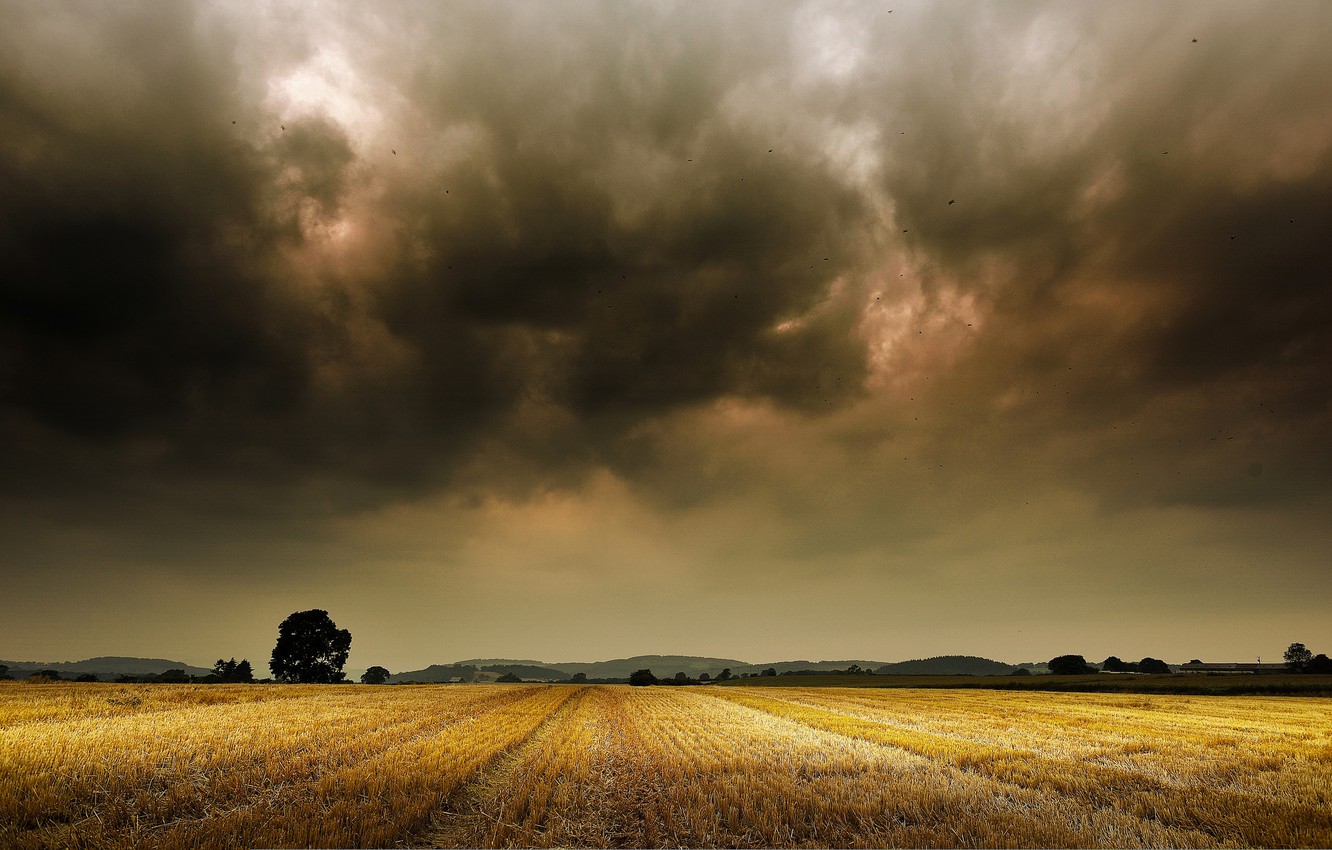
"The 2014/2015 rain season has been terminated prematurely and the crops have dried up at a time when they were maturing. Human induced global warming and subsequent climate change has continuously increased rainfall variability, thus altering water availability and reliability of water supplies. This has exacerbated the already existing challenges across all major climate sensitive sectors such as water, agriculture, livestock, energy, health and environment. At this rate, the potential impact of climate change could be very severe," Sibanda said.
Last year, Bankers Association of Zimbabwe president, Sam Malaba, said that direct import of maize and wheat since 1999 had cost the country US$3,3 billion due to shortfalls in domestic production. Direct food imports in terms of maize and wheat average US$550 million per year, implying a cumulative total amount of US$3,3 billion since 2009.
Sibanda said losses faced by vulnerable groups were insurmountable; these ranged from food insecurity, loss of livelihoods, and hardship due to extreme weather events and environmental degradation, resulting in displacement, migration and other potentially devastating economic and social consequences.
"Whilst a wide array of adaptation options is available, more extensive adaptation than is currently occurring is required to reduce vulnerability to climate change. There are barriers, limits and costs, which are not fully understood. Additional adaptation measures will be required to reduce the adverse impacts of projected climate change and variability, regardless of the scale of mitigation undertaken over the next two to three decades," he added.
COP is held annually to discuss countries' progress with regards to fulfilment of UN Framework Convention on Climate Change and Kyoto Protocol obligations including financing for adaptation and mitigation projects.
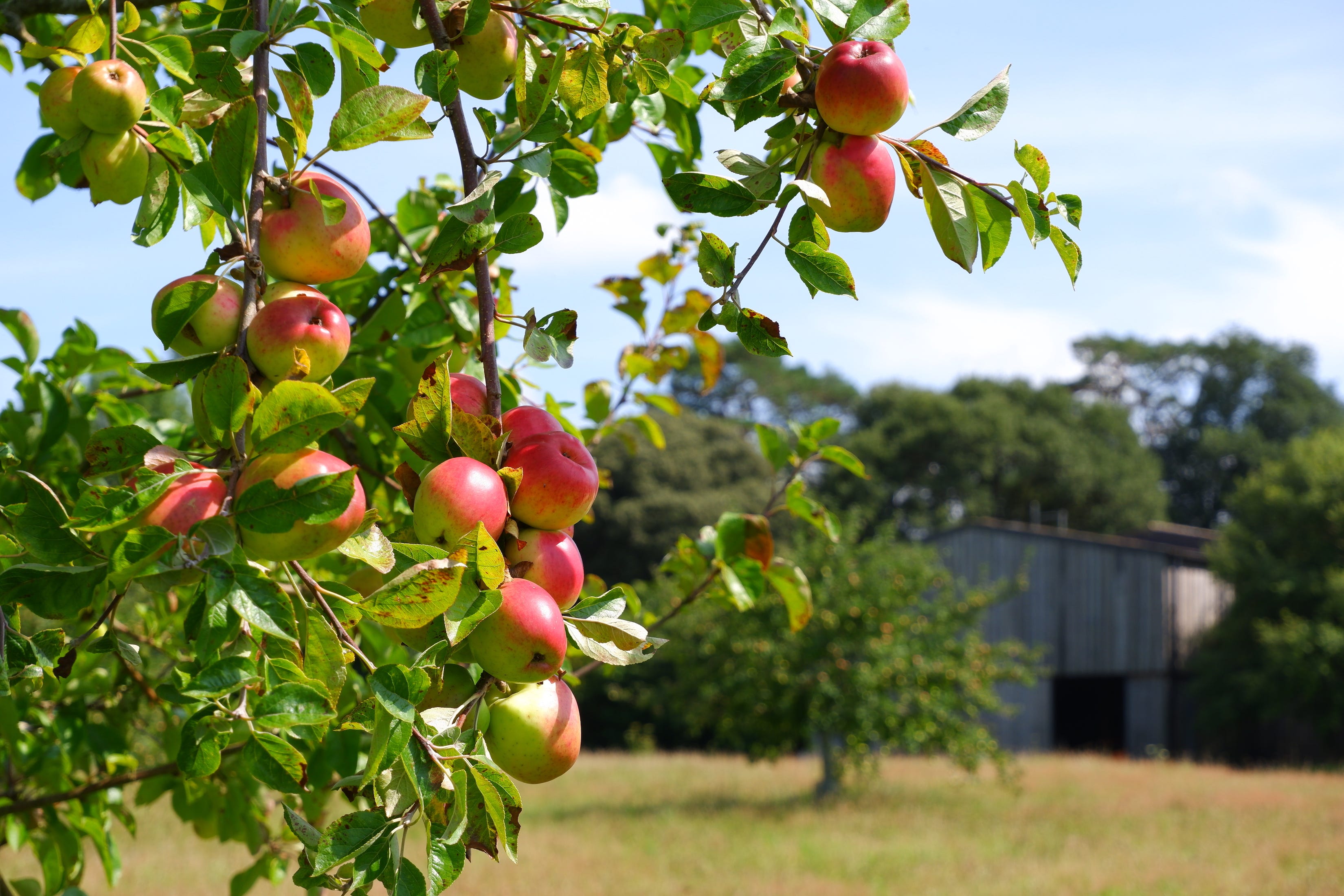
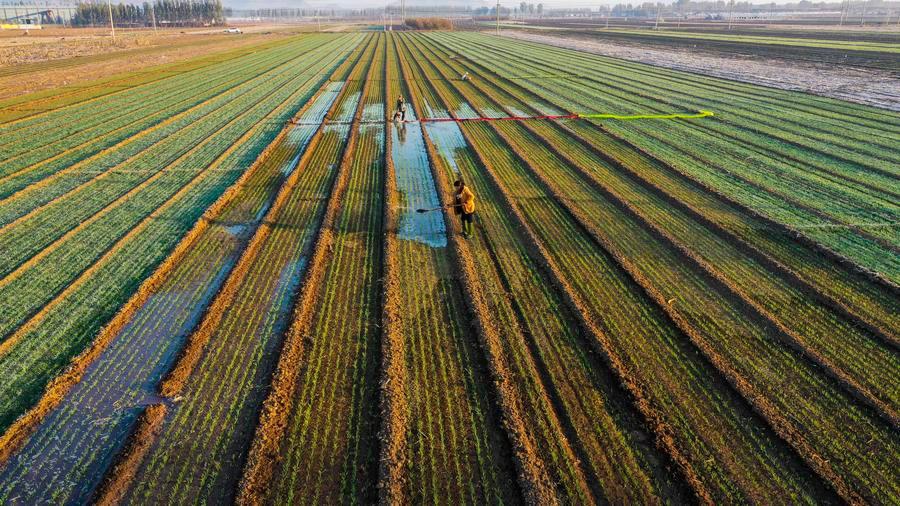
Agriculture can play a pivotal role in improving the country's trade performance because there is substantial capacity to increase the volume of agricultural exports (beef, coffee, tea, paprika, sugar, cotton, tobacco), at the same time reducing the food import bill by also expanding the output of commodities such as maize, wheat, oilseeds, dairy and poultry.
Source - http://allafrica.com/