Canada - Hail insurance urged for B.C. fruit growers

14.04.2015 245 views

The B.C. government is recommending Okanagan tree fruit growers include insurance for hail damage in their 2015 risk management plans, and take advantage of B.C. premiums being the lowest in Canada.

Hail insurance offered jointly by the provincial and federal governments is a cost-effective way for farmers to ensure that weather risks such as hail can be managed and farm businesses can be sustained.

“Spring and summer hail storms occur regularly in the Okanagan, but the exact timing and potential areas impacted are unpredictable,” states a release.

“To help mitigate their risk, all commercial tree fruit growers can buy hail insurance with the option of increasing their coverage throughout the year. Like any insurance policy, coverage cannot be purchased or adjusted retroactively.”

The governments of B.C. and Canada subsidize the premium of each hail insurance policy in the province.

A sample policy with 80 per cent coverage for an apple crop worth $100,000 would result in $7,200 in producer premiums, with the governments contributing a roughly equal amount. Though coverage for up to 100 per cent of a crop is available, many growers choose to purchase 80 per cent coverage as an appropriate level.

Payments to insured tree fruit growers following 2014 hail storms in the Okanagan totalled about $9 million.

The Ministry of Agriculture developed and distributes a guide to tree fruit growers that specifically outlines hail insurance coverage and the different options for them to consider.

Source - http://www.freshplaza.com/

12.05.2026

India - Storms damage mango, watermelon, and vegetable crops in Jharkhand

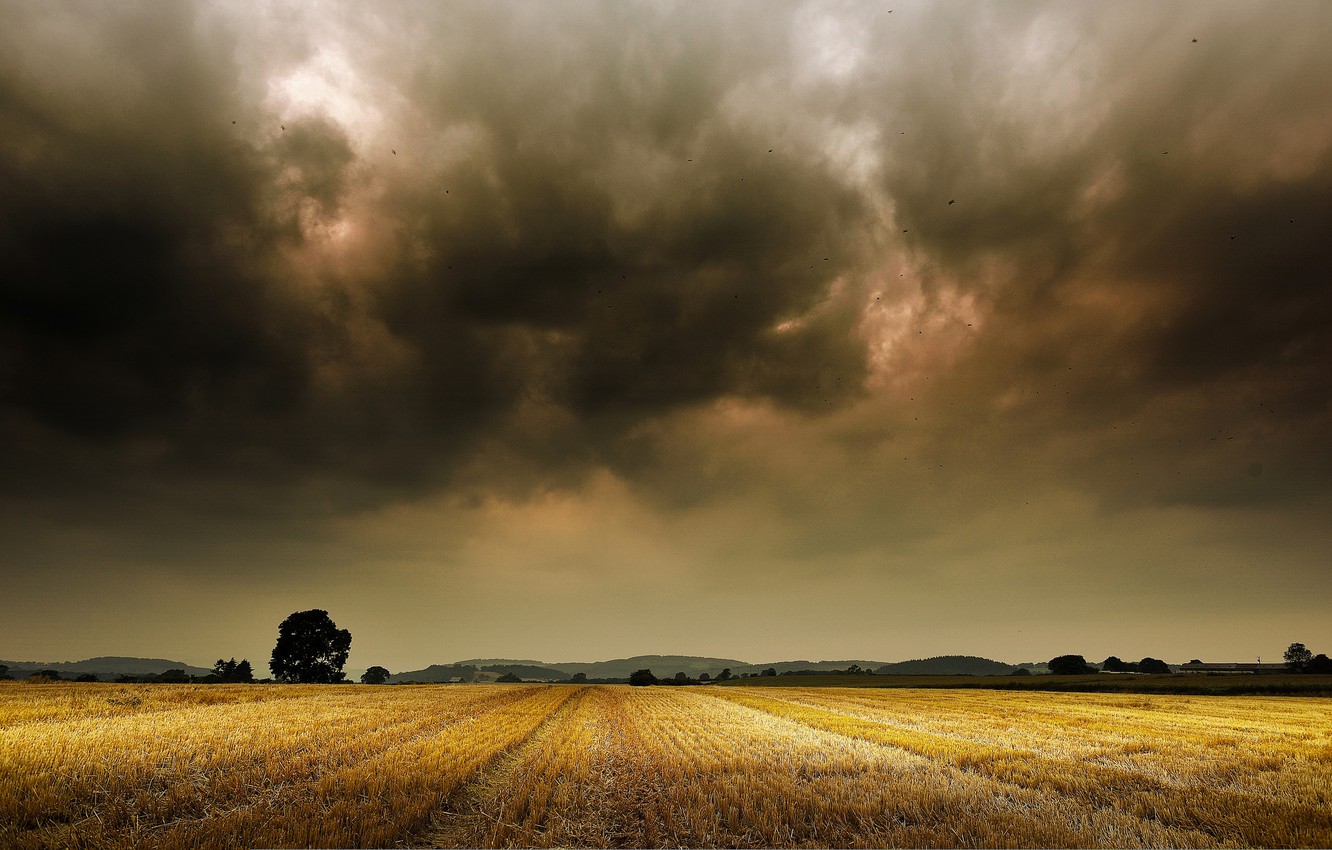
High-velocity winds, heavy rainfall, and hailstorms across Jharkhand in recent days have caused damage to seasonal fruit and vegetable crops, including mangoes, watermelons, tomatoes, coriander, okra, and gourds.

12.05.2026

Canada - AFSC rethinking honey insurance programs offered to Alberta beekeepers

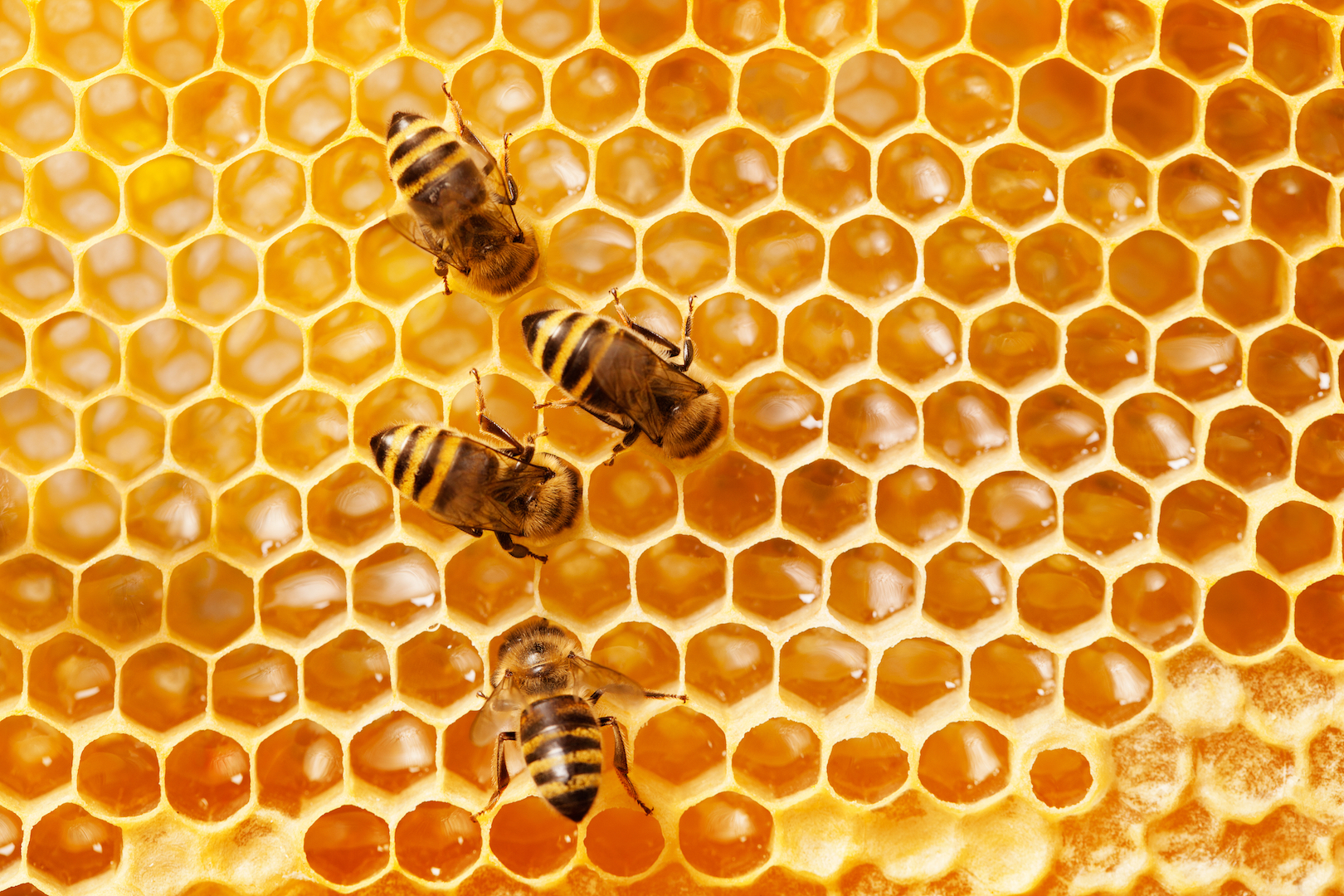
Despite offering coverage for everything from bear attacks to parasitic mites, Alberta’s honey insurance programs continue to see remarkably low participation rates among the province’s beekeepers.

12.05.2026

Myanmar - Bago Region CM attended the loan disbursement ceremony

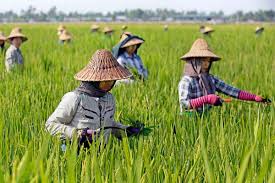
Bago Region Government held the 2026 monsoon season agricultural input loan disbursement ceremony under the 100-Day Plan on the morning of May 12 at Bago City Hall.

12.05.2026

Rwanda - Subsidised insurance for greenhouse growers launched

Rwanda Agriculture and Animal Resources Development Board (RAB) on Thursday, May 7, launched a subsidised insurance for greenhouse agriculture to protect farmers against climate shocks, while encouraging investment in commercial agriculture. 

12.05.2026

Bangladesh - Tk7.50b Boro paddy spoilt by rains, flash flood in Sylhet

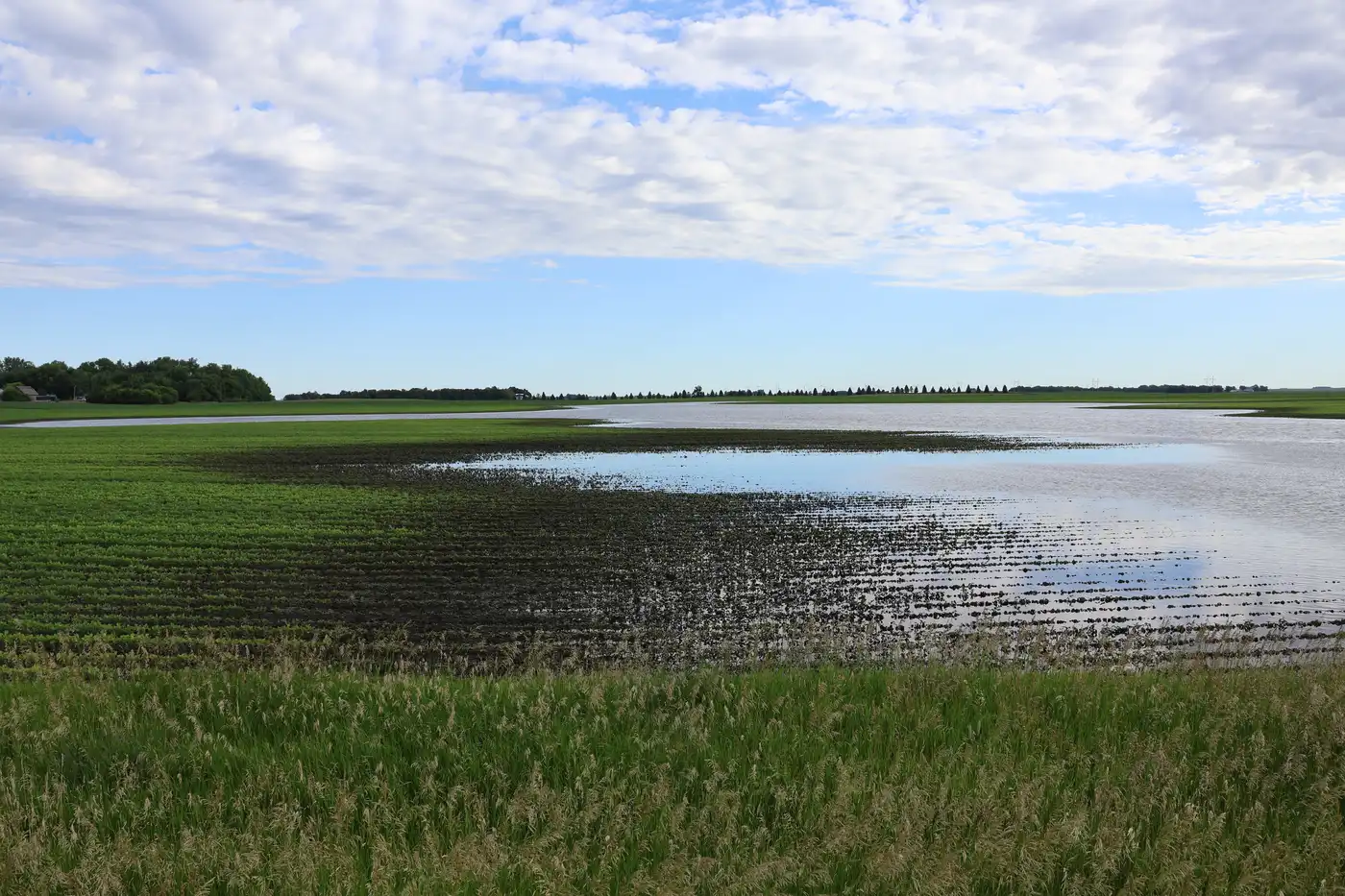
While the farmers in greater Sylhet are still continuing their high labour-intensive venture to harvest Boro paddy, about 40 per cent of the job is yet to be completed for the extensive inundation of their fields caused by incessant rainfalls and runoff.

12.05.2026

USA - USDA Offers Disaster Assistance to Agricultural Producers in Oklahoma Impacted by Recent Tornadoes

Agricultural operations in Oklahoma have been significantly impacted by recent severe weather and tornadoes. The U.S. Department of Agriculture (USDA) has technical and financial assistance available to help farmers and livestock producers recover from these adverse weather events.

11.05.2026

India - Erratic weather cuts Himachal Pradesh apple crop by up to 70%

Himachal Pradesh may face one of its lowest apple harvests in recent years, with growers reporting crop losses of up to 70% across major producing regions due to prolonged erratic weather.

11.05.2026

Mongolia Could Face Severe Economic Crisis From Overlapping Climate Shocks

A World Bank Group study warns that Mongolia could face a devastating economic crisis if collapsing coal exports, deadly dzud winters, and catastrophic urban floods strike together, potentially shrinking GDP by over 20 percent in three years.