Across the Windsor region, persistent rains have taken their toll on farmers' crops.
Binghamton experienced its second-wettest June ever this year, with 9.92 inches of rain falling, according to the National Weather Service.
Around 7 inches of rain fell in the City of Ithaca this June — even more in surrounding areas — drowning out soft-skinned, vulnerable crops in fields from Apalachin to Watkins Glen. The average June rainfall in Ithaca is 3.98 inches, according to U.S. Climate Data.
In Elmira, 5.92 inches of rain fell last month. Average rainfall for June in Binghamton and Elmira is 4.29 inches, according to U.S. Climate Data.
In these wet conditions, soft-skinned fruits and vegetables are often at risk of mold, disease and insects, a problem when most pesticides wash off of plants as rain falls.
With rain falling Tuesday morning, customers shuffled underneath tents at the farmers market in Ithaca's Dewitt Park, gazing over tables of local produce.
Dennis Hartley, manning a table on behalf of his farm, Littletree Orchards in Newfield, was sorting cherries, a stock representing only half of what he expected of his crop. The other half has fallen victim to an unseasonably wet start to summer.
"You just have to feed Mother Nature sometimes," said Hartley, a Newfield resident. "She gets hungry, too."
In some areas, such as flood-ravaged Newfield, precipitation reached nearly a foot in some fields. At Reisinger's Apple Country of Watkins Glen, which had a booth at the Dewitt market selling raspberries Tuesday, more than half of its strawberry crop had rotted as a result of the rains.
"We just didn't do well with berries this year," owner Karen Reisinger said. "Any soft berry is going to be a struggle."
Community Supported Agriculture programs with a broad variety of crops did see some losses of crops, but because of the diversity of their yields, they saw a reduced impact to their bottom line.
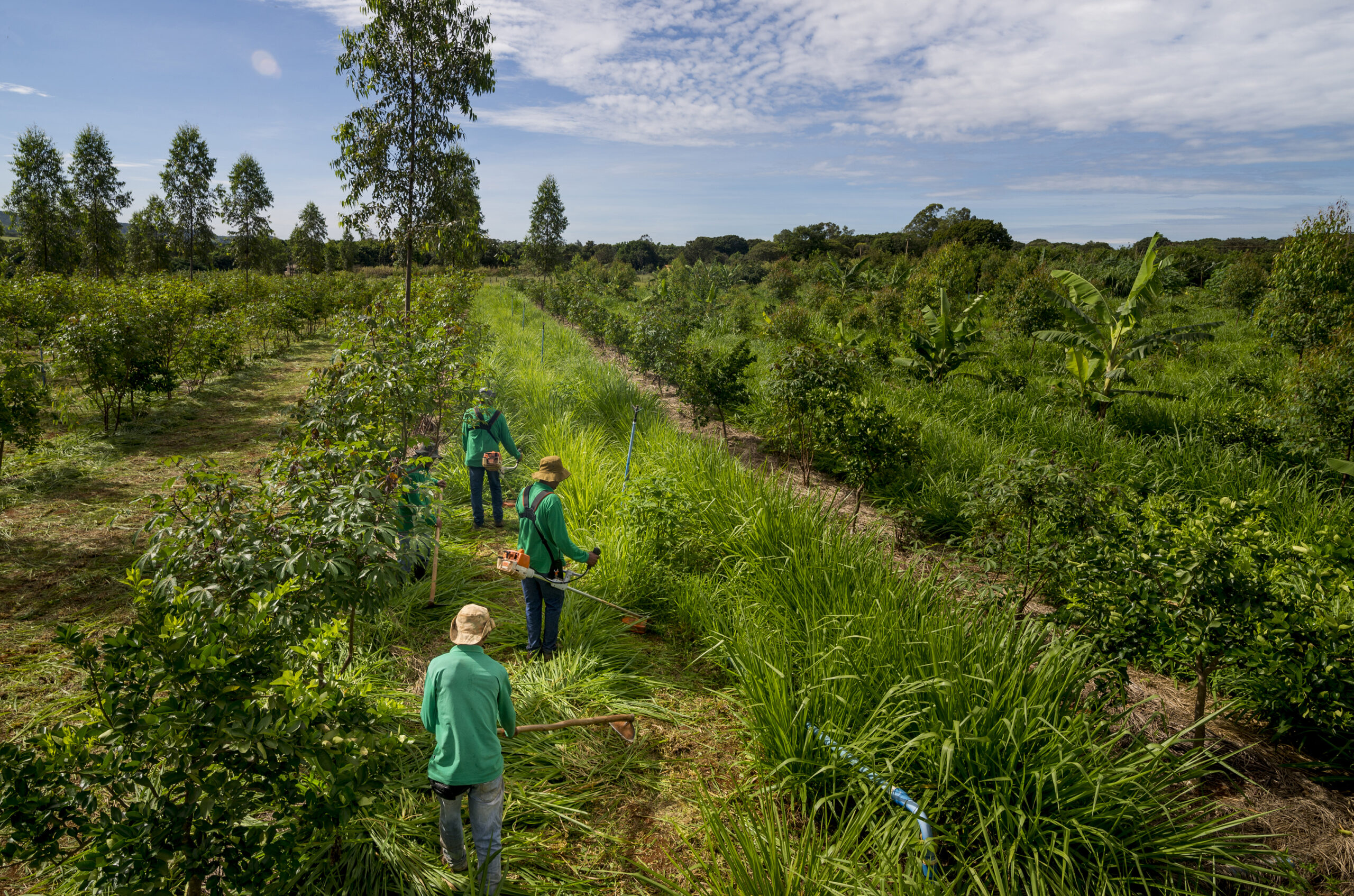
Genoa's Early Morning Farms, which distributes crops all over the Finger Lakes and the Southern Tier, has more than 100 varieties of fruits and vegetables growing on its land. Though it had lost its strawberries, it had enough crops to substitute into its nearly 1,600 CSA shares to make up for it.
"It's been somewhat challenging, but we're definitely getting through it," owner and general manager Anton Burkett said. "It helps we have dedicated members who are committed to us, so if something doesn't work out, we can substitute another crop for that. The membership understands that."
Farmers such as Reisinger, who primarily relies on her 12,000 apple trees for income, often grow fruits and vegetables more suited to the cool and cloudy conditions of New York state. But crops fit for the local climate can be affected as well by the rain.
"All crops are affected by the rain one way or another," Hartley said.
For sweet corn, water forcing the leeching of excess nitrogen can cause kernels to yellow before their time. Those using liquid nitrogen on their fields, rather than natural compost, are more prone to having nitrogen washed away, where compost contains nitrogen better, Burkett said.
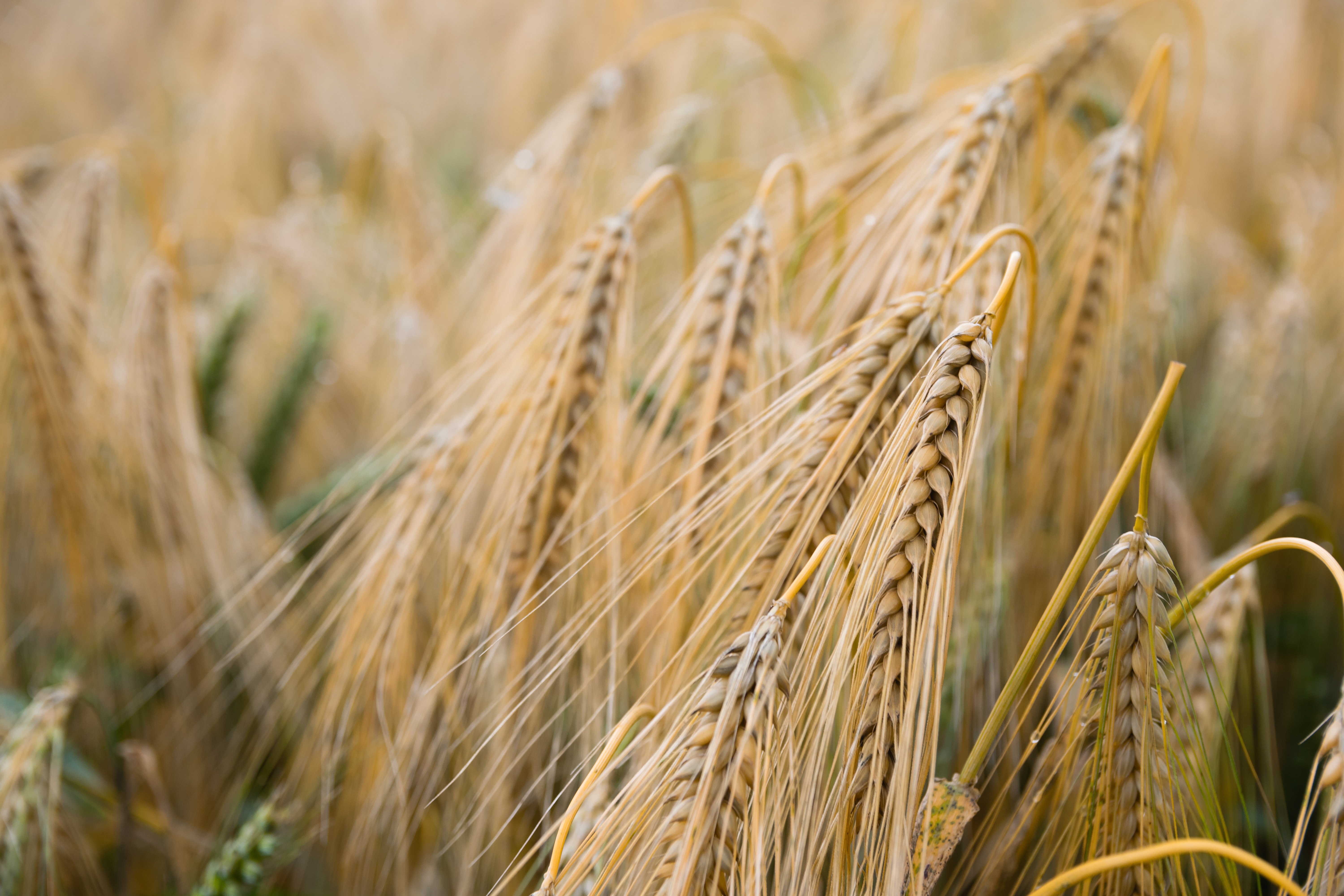
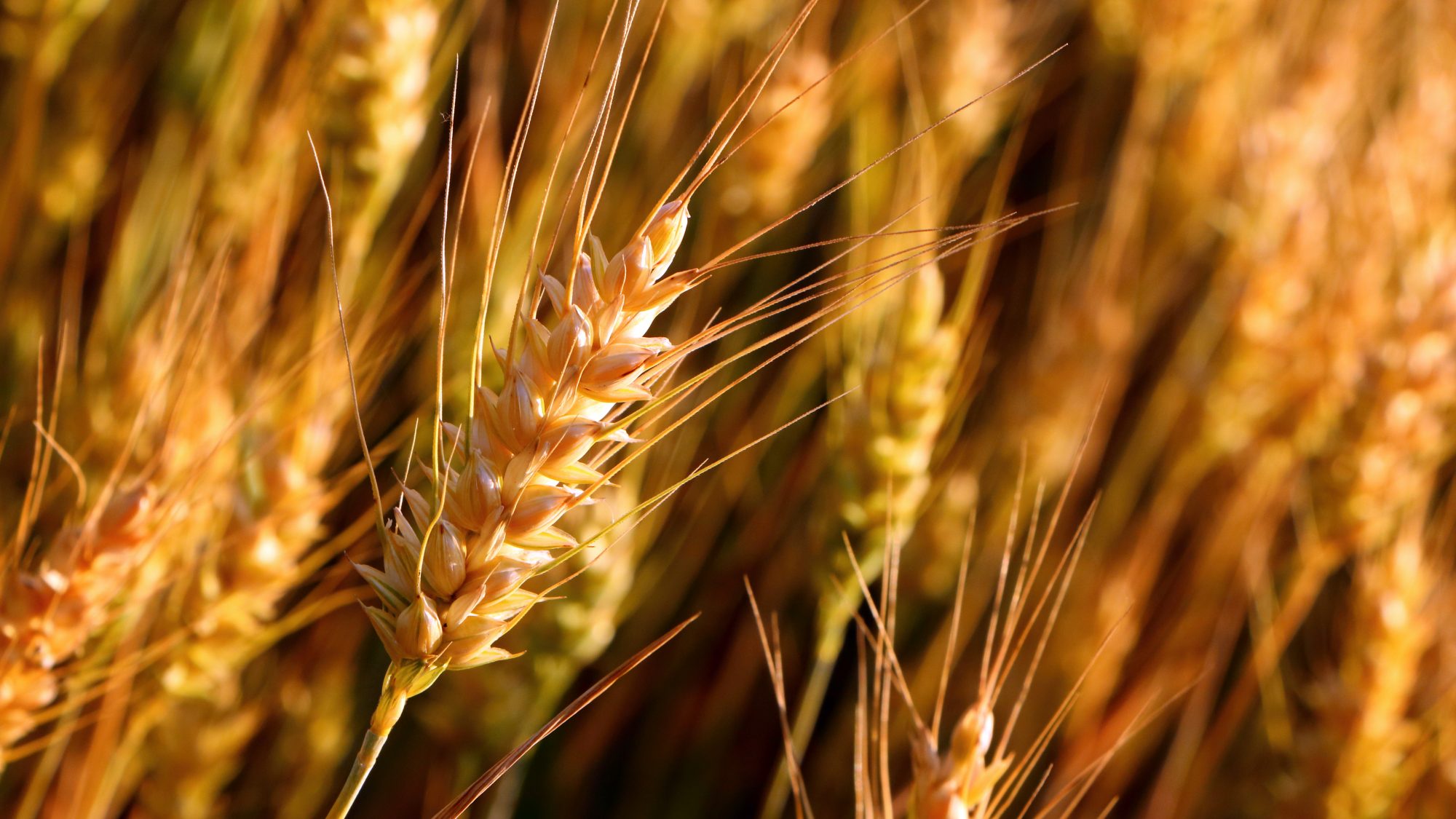
Pears and apples, though likely to survive the downpours, will be impacted by the lack of sunlight, resulting in a less sweet, lower-quality fruit. Even field grains, like wheat and rye, can be affected as the window for harvest narrows with every day of rain.
In saturated fields, elevated water tables can hinder roots' ability to absorb nutrients as well.
The pressure of disease is also elevated during times of high rain. Monika Roth, agriculture program leader for the Cornell Cooperative Extension Office in Tompkins County, said that in fields of standing water and under gray skies, many crops may not reach their full potential.
"The quality of fruit ultimately gets affected," Roth said.
Fruits with deep roots, such as grapes, will be less sweet than normal. Some fruits, like strawberries, have little chance of surviving the rains, many rotting in poor-draining soils.
"Strawberry season has been a less-than-stellar one," Roth said. "We've seen 50 percent of what we normally get."
Early Morning Farms, which lost most of its strawberry crop this year, said that though it was a loss, it was not nearly substantial enough to call it a tragedy on their end.
"It's not the end of the world for us," Burkett said. "When you have 40 different crops growing, any given year, something isn't going to work out well, because each vegetable likes certain conditions. That's why having a diverse crop is helpful."
There is optimism in the coming months as the National Weather Service predicts near-normal temperatures and precipitation in the region. Still, the conditions of the growing season are hard to forecast and impossible to change. But with past conditions in mind and a whole summer ahead, Roth said she still feels optimistic for a fruitful harvest.
"In May, it was too dry. This month was too wet, but we still have a good three-month growing window where things can change," Roth said. "Is it nerve-racking? Of course. But whether we should worry or not depends on how the season continues on."
Many farmers who grow a diverse range of crops will ultimately be okay. For some farmers growing a single crop, any negative condition could derail a growing season. In mitigating this risk, Burkett said diversity is the key to weathering Mother Nature.
"A dry year will scare you to death, a wet year will starve you to death," Burkett said. "In a really wet year, you could really just lose everything, and if you're in a monoculture system, you could be screwed by one kind of weather if the one crop you grow doesn't respond to the weather."
Still, some like Reisinger lament the loss of their crop nonetheless, saying it's disheartening when the crops drown by Mother Nature's hand. "Like working for nothing," Reisinger said.
But unpredictability of the seasons comes with the territory, no matter how or when the gray skies and pouring rain get in the way.
"That's the life of a farmer," Hartley said. "If it was easy, everyone would do it."
Source - http://www.pressconnects.com/