At the end of the first half of the year, variability and instability are the features that can better define the weather conditions which Spanish agricultural products have been subjected to. Since January, a number of weather phenomena have taken place, damaging a total of 694,837.89 hectares of insured crops, as reported by the Spanish Association of Combined Agricultural Insurance Providers (Agroseguro).
The year started with intense wind storms that affected more than 24,300 insured hectares. This phenomenon took place several times throughout most of the winter and affected farms located mainly in Valencia, Murcia and Andalusia. Citrus growers were the most affected, with damage to about 17,400 hectares. Other crops also suffered some damages, including wine grapes, some vegetables and fruit. Wind storms also occurred in the Canary Islands, causing damage especially to bananas, with over 2,000 hectares reported as affected.
According to the Meteorological Agency, the winter has been particularly cold, but very irregular with regard to the spatial distribution of rainfall. On the one hand, during the first months of the year there was heavy rainfall that caused rivers to overflow (the most notable case being that of the Ebro) and consequently many crops were affected by flood damage. On the other hand, the lack of rain in some areas, accompanied by high temperatures, has resulted in a drought situation that is also affecting Spanish agriculture.
FloodsThese affected more than 17,000 insured hectares. They occurred mainly along the Ebro Valley, due to the overflow of the river caused by heavy rains. Arable crops were the most damaged, with about 10,600 hectares flooded, followed by forage crops, with more than 3,500 flooded hectares. By regions, the most affected were Aragon, with more than 7,000 hectares damaged, and Navarra and the Basque Country, with about 2,900 and 2,160 hectares, respectively.
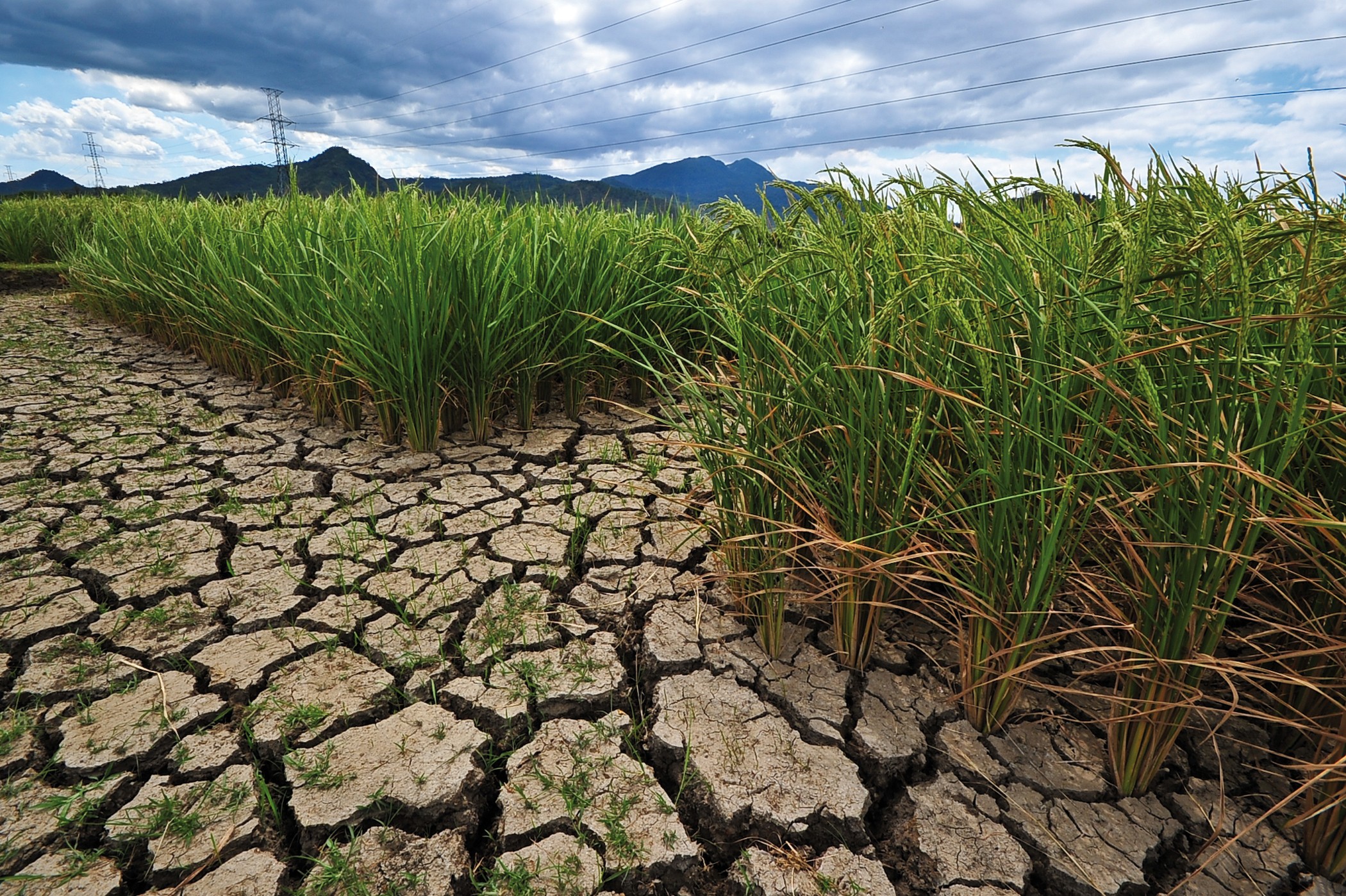
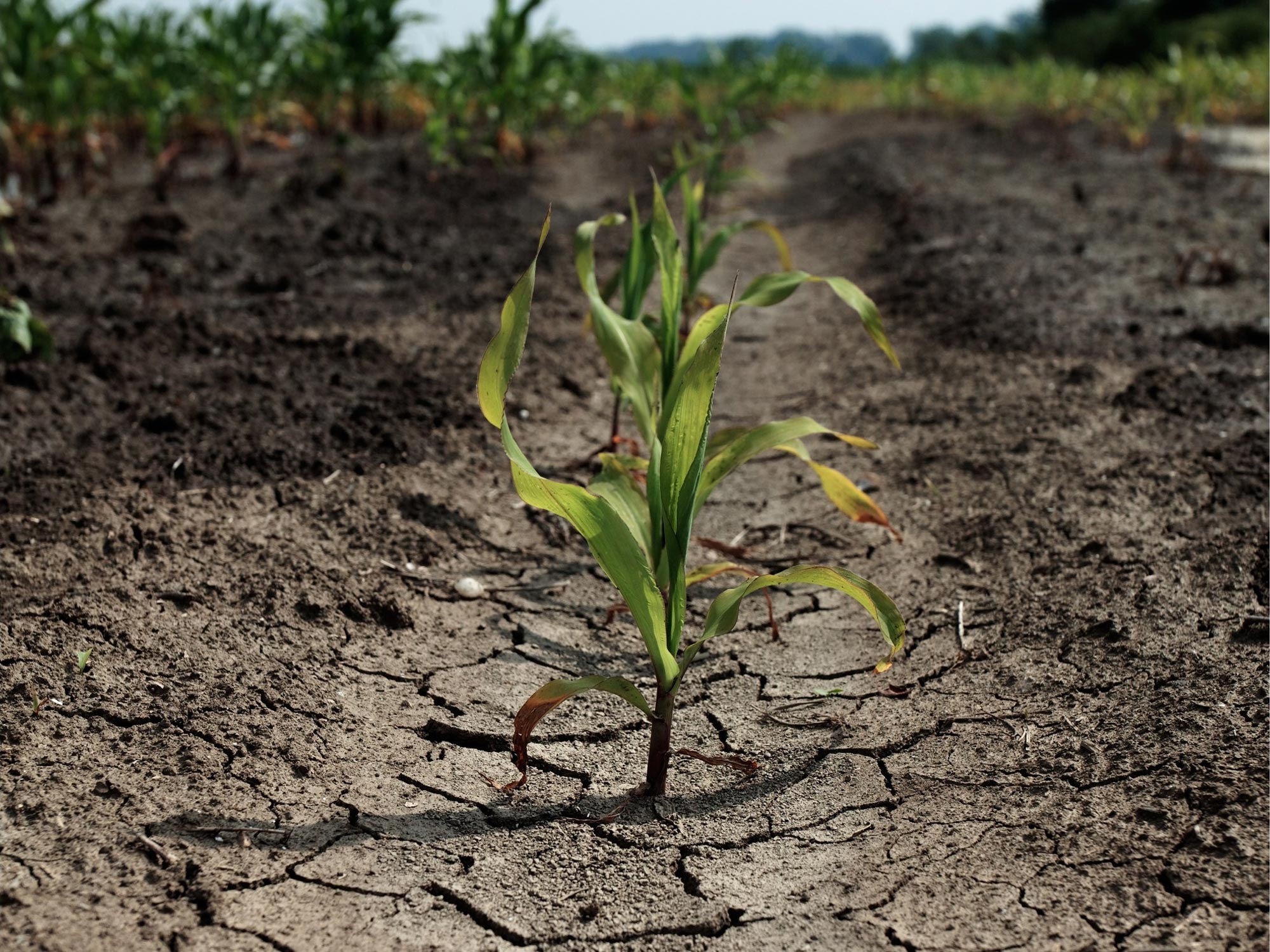
Drought and heat wavesBy contrast, in other parts of the Spanish geography, poor rainfall and rising temperatures have caused a situation of drought that has, so far, caused damage to more than 385,000 hectares of insured crops. Nearly 384,150 hectares are arable crops. According to data by regions, Castile-La Mancha is the most affected area, with about 153,800 hectares (including the provinces of Cuenca and Albacete, with more than 79,900 and 40,500 hectares, respectively), followed by Castile-Leon, where the area affected amounts to almost 103,500 hectares. The provinces of Valladolid, Palencia, Zamora and Salamanca have been the most affected in this region. These are followed by Andalusia and Aragon, both with more than 36,000 hectares affected, and Catalonia, which exceeds 24,200 hectares damaged by drought.
Considering the rate of receipt of insurance claims, and compared to previous years, Agroseguro expects that, by the end of the year, the insured acreage affected by drought could amount to 450,000 to 500,000 hectares. So far, already almost 60% of the claims have been processed.
Hail stormsLastly, and as was the case in 2014, since the beginning of spring 2015 there have been a number of strong hail storms, which so far, and according to Agroseguro, have caused damage to nearly 170,000 hectares of insured crops. Arable crops have been the hardest hit, with more than 107,500 hectares, as well as wine grapes, with nearly 33,700 hectares damaged. The storms have also affected about 11,000 hectares of fruit crops and almost 6,900 of vegetables, mainly garlic.
For now, the most intense storms have been registered on 19 May and between 9 and 17 June. In the first case, registered in the autonomous region of Castile-La Mancha, storms covered about 95 kilometres in the maximum concentration area, particularly affecting the provinces of Albacete and Cuenca. Also noteworthy were those registered north of the Region of Murcia.
The phenomenon has been particularly strong in towns like Las Pedroñeras (Cuenca), Fuente-Álamo and Chinchilla de Monte-Aragón (Albacete) and Jumilla (Murcia).
Regarding the storms registered from 9 June, intense rainfall accompanied by hail has taken place across most of the Spanish geography, causing extensive damage to numerous farms. This phenomenon has been characterised by its enormous dispersion. There have been hail insurance claims because of rainfall in more than 30 provinces. Virtually all regions have been affected to a greater or lesser extent.
Furthermore, hail has caused damage to a considerable number of crops, especially cereals, wine grapes, vegetables (garlic, onions, melons...) and fruit, cherries, olives, etc.
Sources from Agroseguro highlight the variability of the damage. Depending on the crop affected and the characteristics of the hail, the damage will be more or less severe. In some cases, hail stones were small and water predominated, which tends to minimise the impact. In other cases, hail stones were large, causing more extensive damage.
Agroseguro stressed that all meteorological phenomena described above are covered by the Agricultural Insurance System and it is important that the parties affected submit their reports at the earliest, so as to assess and pay compensations as quickly as possible. In this regard, Cooperativas Agroalimentarias of Spain has insisted on the desirability for producers to insure their farms, given the extreme and erratic weather conditions taking place.
Sourcee - http://www.freshplaza.com/