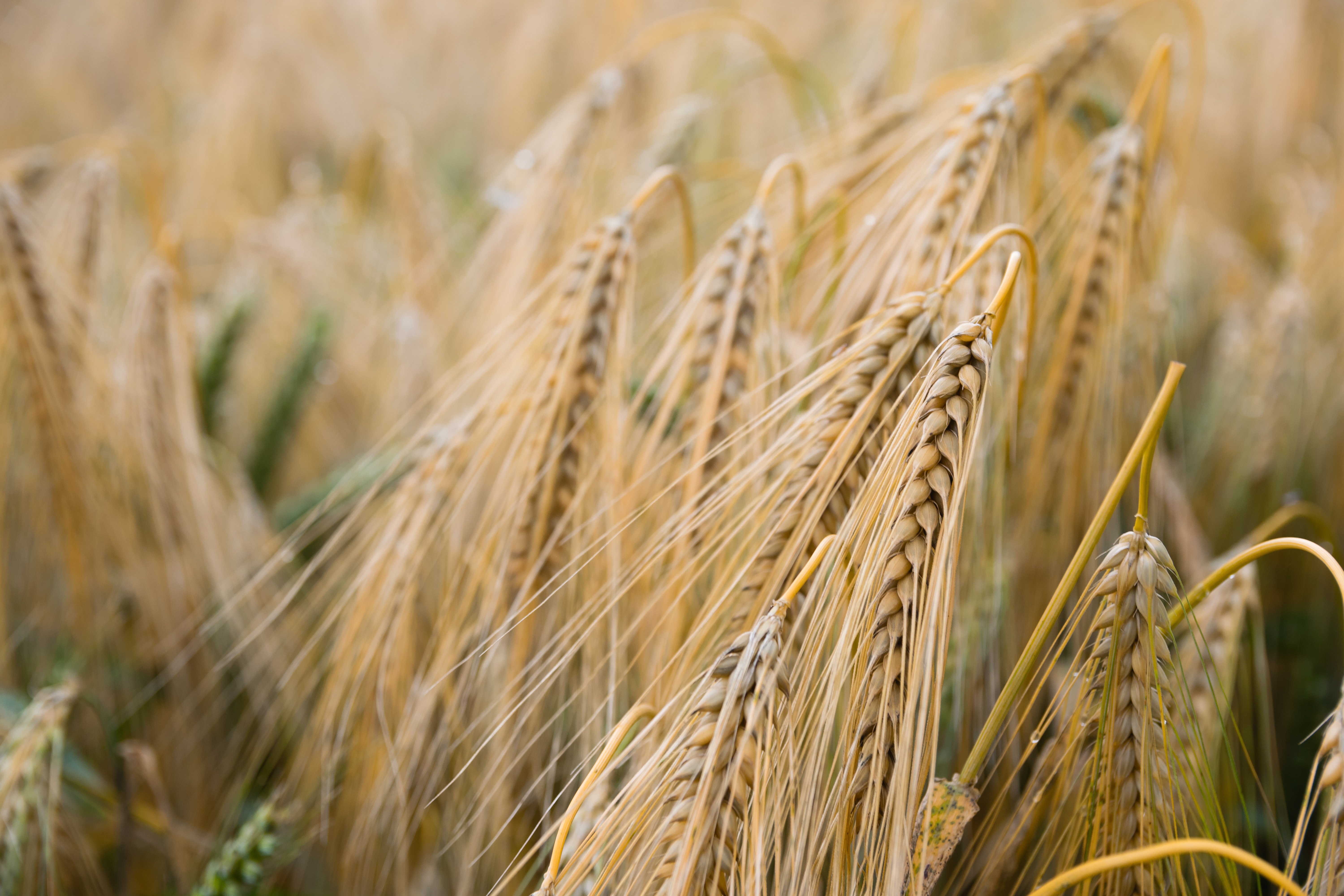
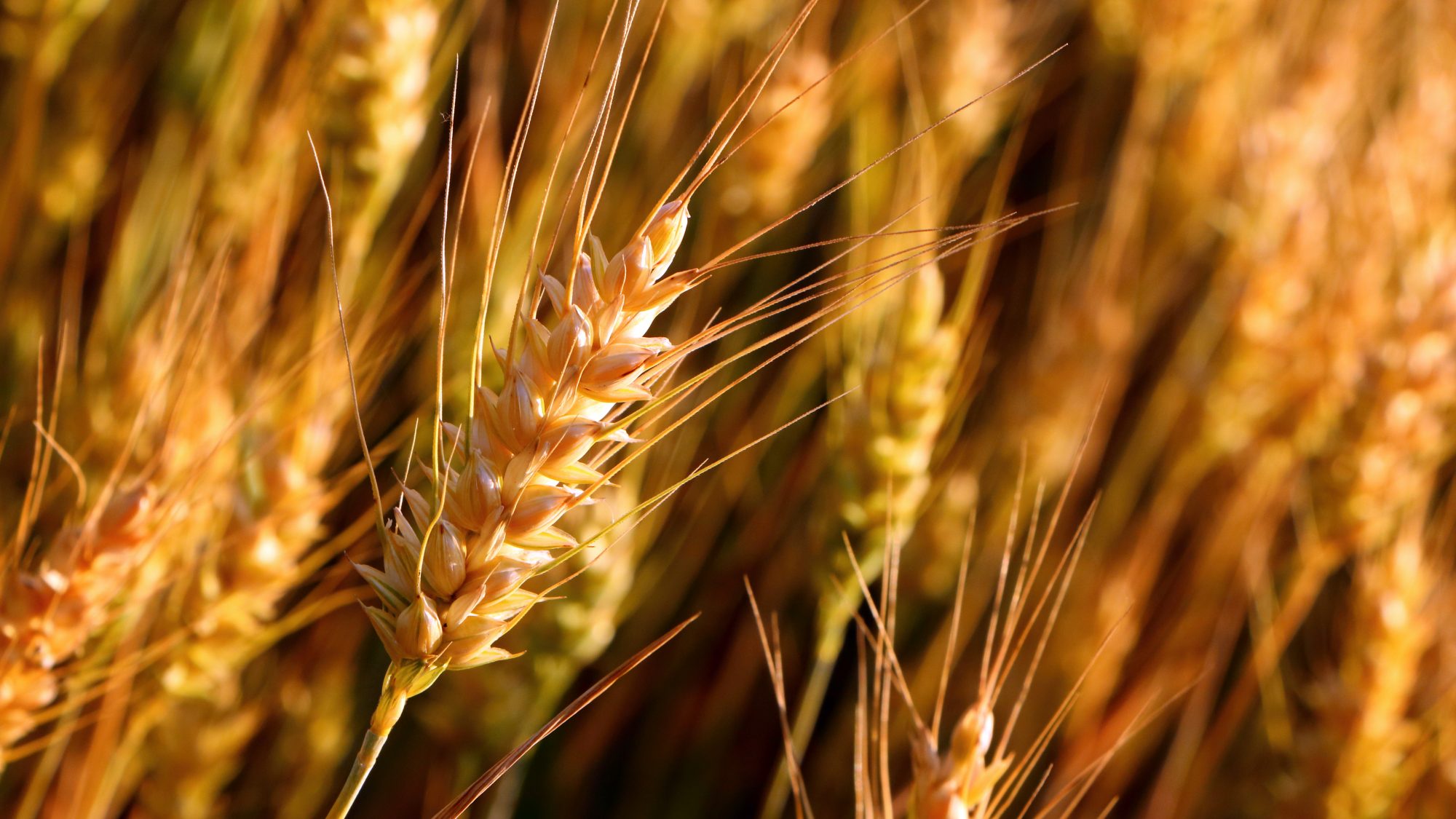
■ Small grains: Winter wheat harvest was moving toward completion with areas of the High and Low Plains remaining to be combined. Oat harvest was also closing in on completion and was 95 percent complete, down 4 points from the previous year.
■ Row crops: Cotton reached the squaring stage in areas of the Trans Pecos, while in South Texas plants were setting bolls. Corn and sorghum harvest was underway but precipitation slowed progress in the Lower Valley. Sorghum was maturing quickly in South Texas while sugar cane aphids were beginning to show up in the Blacklands. Corn was suffering from too much water in areas of the Blacklands and Southeast Texas but making good progress in the Plains. Peanut and soybean development continued, as peanuts entered the pegging stage in South Texas. Cotton planting was nearly complete at 99 percent, 1 point behind normal.
■ Fruit, vegetable and specialty crops: Vegetable harvest continued in areas of Northeast Texas, with pecans progressing in areas of the Northeast, Trans-Pecos and South Texas.
■ Livestock, range and pasture: Range and pasture continued to progress, with some reports of flooding in Northeast Texas. Livestock continued to benefit from adequate pasture.
■ South Plains: Crops in most of the region were off to a good start due to all the early season rains but needed more moisture soon to keep progressing. The Bailey County wheat harvest was ongoing with excellent yields. Cochran County cotton progress ranged from five to 12 true leaves. Even with the dry conditions, Cochran County corn and grain sorghum were making excellent progress. Peanuts were also doing very well. Lubbock County growers began irrigating grain crops as soils dried out. Many Lubbock County cotton fields were squaring, and grain sorghum ranged from just planted to the early boot stage. Early planted cornfields were tasseling, and sugarcane aphids were detected. In Garza County, cotton was progressing well in most areas despite high weed pressure. No insect pressure was reported. Rangeland and pastures were in excellent condition. Mitchell County cotton was growing fast and showed signs of squaring in early planted acres. Weeds were a problem in cotton fields there too. Shortly after a sand fighter cultivator was run over a field, new weeds emerged. Scurry County cotton was a little behind but was expected to catch up soon.
■ West Central: Days were hot and windy with warm nights. There were a few scattered showers, but the wildfire potential increased as tall grass in fields dried out. The wheat harvest was completed in most areas, with fair yields reported. Row crops continued to make good progress with plenty of moisture and good growing conditions. Summer forage crops were being harvested for hay with very good yields. Grain sorghum fields looked good. Cotton planting was mostly finished in all areas, and most of the planted crop had emerged.
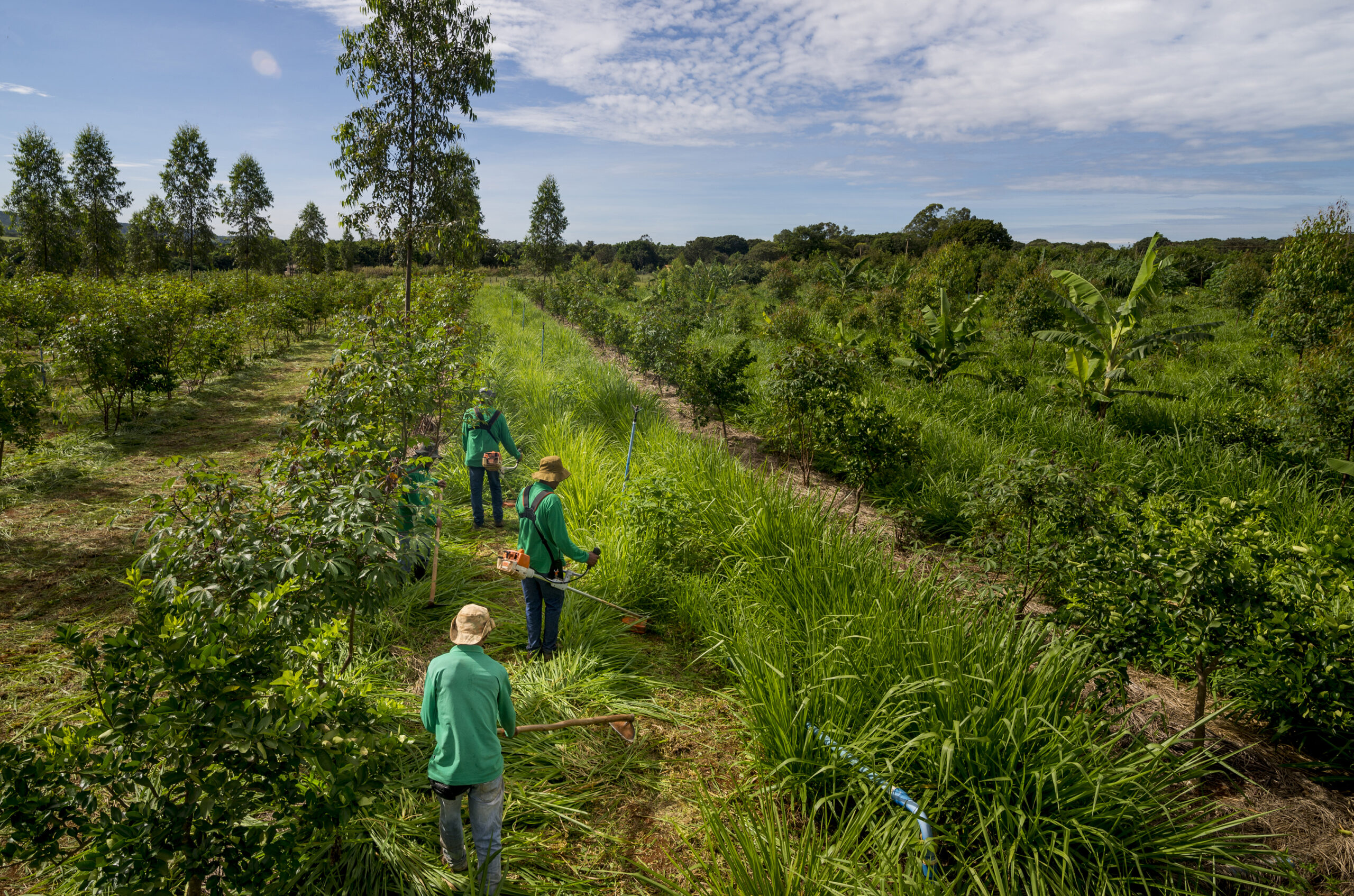
Producers were spraying cotton fields for weed control and scouting sorghum fields for sugarcane aphids. Some had to spray to control the pest. Hay producers continued cutting and baling, with good yields and high quality. Some hay fields neared being ready for a second cutting. Rangeland and pastures further improved due to recent rains. Livestock remained in good condition. Flies continued to be an issue, and small grasshoppers made their appearance. Pecan trees were doing well.
Source - http://lubbockonline.com/