As holders of some of the oldest water rights in California, many farmers and ranchers here in the Sacramento-San Joaquin Delta have never had their spigots turned off, a fate many of their counterparts in the parched state have endured.
But under an order from the State Water Resources Control Board, the local Byron Bethany Irrigation District last month shut down irrigation to more than 160 farmers and ranchers in its 30,000-acre area.
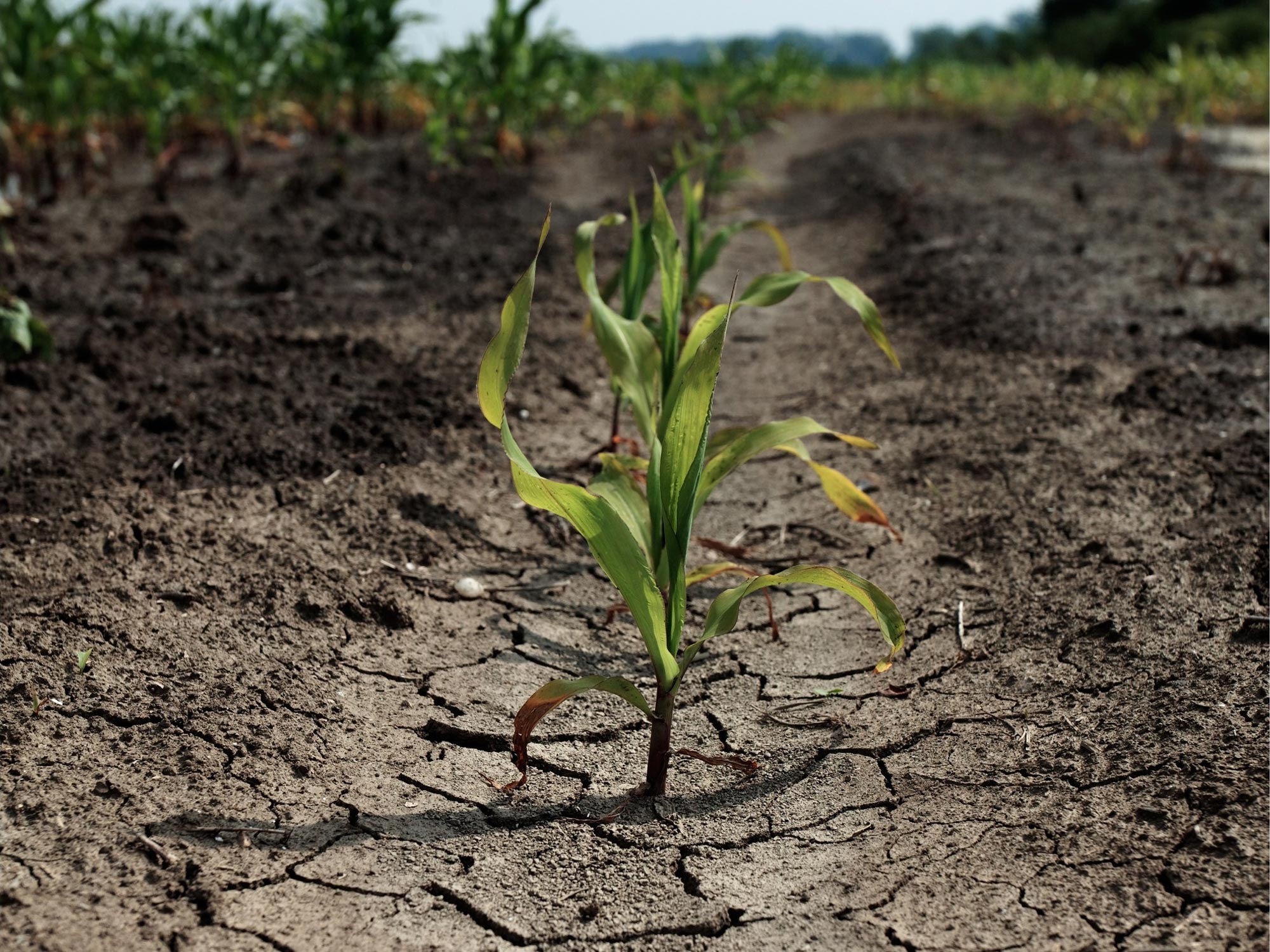
“Everything is in peril right now,” said Paul Simoni, as workers recently harvested corn on his family’s 1,900-acre farm. Mr. Simoni said crops, including tomatoes and alfalfa still in the fields, likely would be wiped out if they don’t get water soon.
The district has filed suit in state Superior Court in Concord asking a judge to overturn the board order. Although that litigation is pending, a Superior Court judge in Sacramento on Friday ruled that the board’s notices of a similar cutoff against the West Side Irrigation District and three other districts in the Central Valley constituted a “taking” of their rights and temporarily suspended their enforcement.
Officials for the Byron Bethany district said that ruling could lead to the overturning of the board’s cutoff orders in that and thousands of other farming districts—with both high- and low-priority access to water—since May. The water board issued a statement Friday that it considered the judge’s order “limited in scope,” and that it concerns only the form of its curtailment notice.
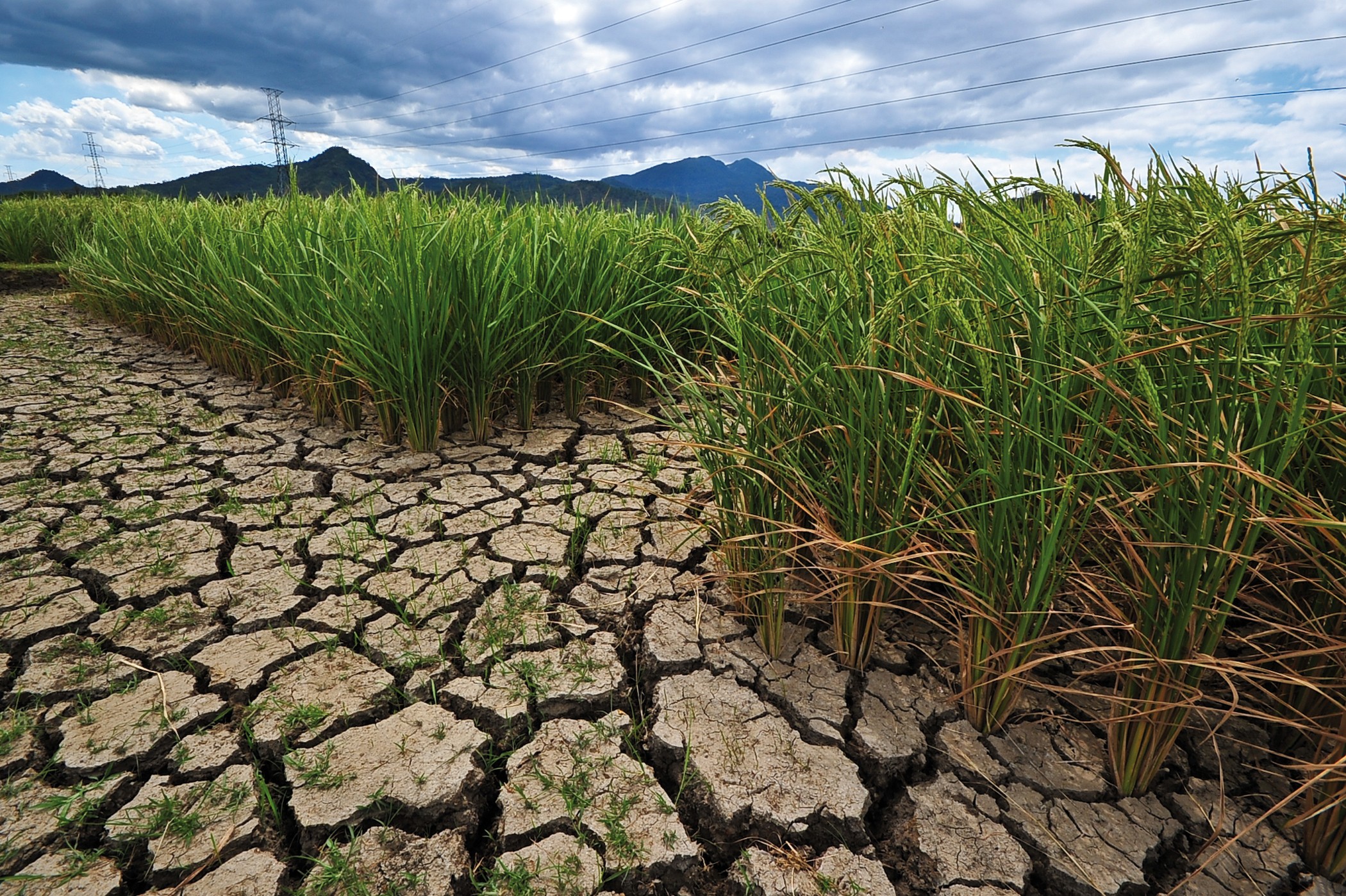
California’s drought, now in its fifth year, is being felt statewide, with districts asking homeowners to do everything from stopping watering lawns to taking shorter showers. But it’s in the state’s fertile Central Valley that it’s causing the most economic pain. A preliminary study in May by the University of California, Davis, estimated the drought would cost 18,600 agriculture-related jobs and $2.7 billion in economic losses this year.
Now, some holders of senior water rights—those with priority for supplies, even when there is a shortage—are concerned that the state has stricter and longer-term cuts in store for them that could reshape how and what they grow, said Doug Parker, director of the California Institute for Water Resources at the University of California.
The shut-off of senior water rights could cause the losses to mount even more. Byron Bethany officials estimate, for instance, that their district will suffer more than $65 million in crop losses and lose more than 500 jobs unless the water is turned back on soon. “This is happening right in the middle of growing season…so it couldn’t come at a worse time,” said Rick Gilmore, general manager of the district.
Byron Bethany is one of several irrigation districts in the state with water rights dating to before 1914 that the board ordered cut off as part of the overall state clampdown on consumption. The cutoff was ordered because a right to water claimed by Byron Bethany was “within a range for which the Board has determined no water is available at this time,” a water board spokesman said.
During public meetings, board members have said they had to reduce water supplies for both urban and agricultural customers this year after a record low snowpack last winter.
Many farmers with more junior rights already have had all or most of their water supplies shut off, from both state and federal reservoirs, during the past two years. To compensate for the shortfall, many are drilling wells into fast-depleting underground water reservoirs.
As the drought wears on, its effects rippling throughout the state’s agricultural sector. Water-hungry cotton and rice acres are decreasing as some farmers fallow fields, and water is diverted to higher-value crops such as nuts and berries.
Still, even high-value crops aren’t immune.
Facing scarce water supplies, some growers are starting to uproot older but productive trees earlier than normal and considering diversifying into annual crops, Mr. Parker said. “The drought has really taught people that water supplies aren’t as permanent as they thought,” he said.
Beyond the pain for growers, the water shortage also is hurting farm payrolls, particularly in small agricultural communities. Many of the crops losing acreage require more farmhands than their replacements.
One of the conundrums senior rights farmers face is that many don’t have backup sources of water, such as wells, that growers with more junior rights have installed by necessity.
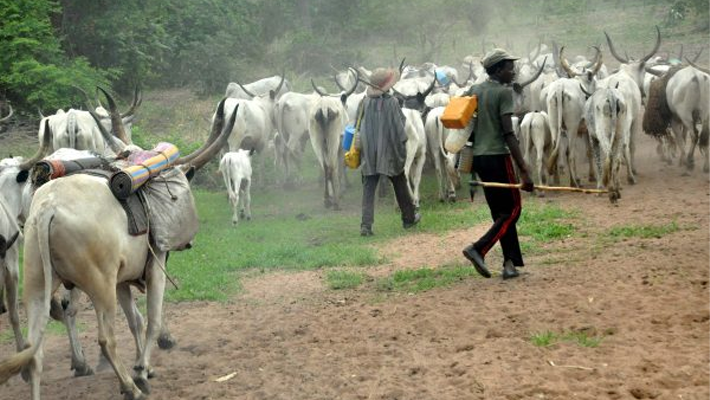
At his family’s 700-acre ranch outside Tracy, 21-year-old Mario Arnaudo said irrigated water has been considered so reliable that the spread only has two wells, both for human consumption. But Mr. Arnaudo said his herd of 300 cows is surviving on water from those wells since a canal drained after the Byron Bethany shut-off last month, causing pastures to dry up.
Said Mr. Arnaudo, as he toured the spread recently: “Basically, the whole ranch is at risk.”
Source - http://www.wsj.com/