For the week ending July 12, 2015, significant rainfall with isolated hail was received over the weekend in the northeast part of the State, according to the USDA’s National Agricultural Statistics Service. These storms caused lodging to small grains, but it was too early to determine the extent of damage. In the same areas, some producers were burning hay because of rot caused by the persistent wet conditions. Elsewhere, warm, dry conditions benefitted the development of row crops and allowed producers to put up good quality hay. There were 6.0 days suitable for fieldwork. Topsoil moisture supplies rated 0 percent very short, 5 short, 80 adequate, and 15 surplus. Subsoil moisture supplies rated 0 percent very short, 6 short, 80 adequate, and 14 surplus.
Field Crops Report: Winter wheat condition rated 1 percent very poor, 8 poor, 27 fair, 53 good, and 11 excellent. Winter wheat coloring was 53 percent, well ahead of 18 last year.
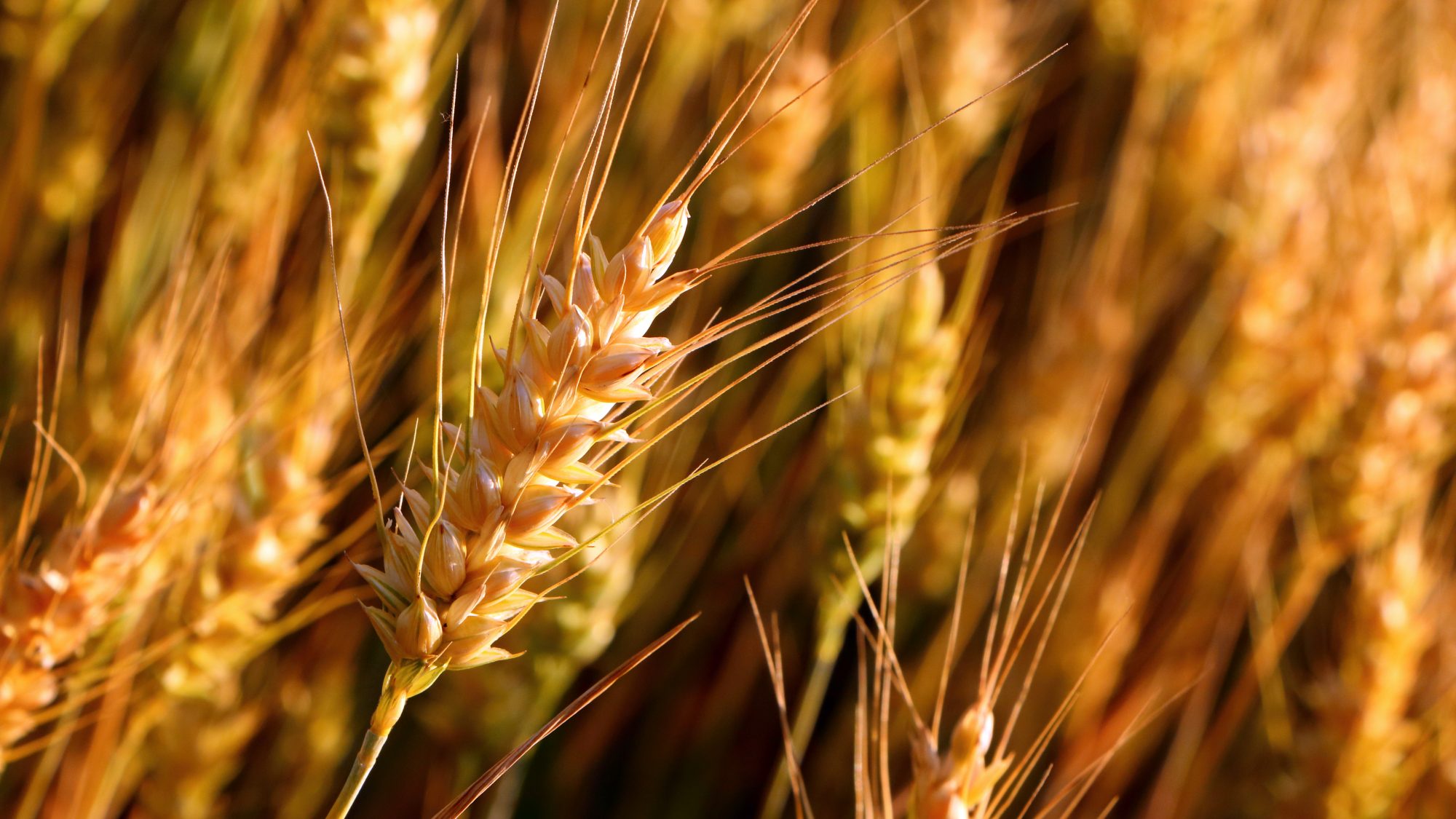
Durum wheat condition rated 0 percent very poor, 1 poor, 17 fair, 67 good, and 15 excellent. Durum wheat jointed was 97 percent, well ahead of 69 last year, and ahead of the five-average of 78. Headed was 59 percent, well ahead of 22 last year, and ahead of 41 average. Coloring was 1 percent, near 0 last year and 3 average.
Spring wheat condition rated 0 percent very poor, 3 poor, 15 fair, 64 good, and 18 excellent. Spring wheat headed was 87 percent, well ahead of 57 last year and 59 average. Coloring was 20 percent, ahead of 2 last year and 11 average.
Barley condition rated 0 percent very poor, 2 poor, 11 fair, 71 good, and 16 excellent. Barley headed was 92 percent, well ahead of 61 both last year and the average. Coloring was 12 percent, ahead of 5 last year, and near 13 average.
Oats condition rated 1 percent very poor, 4 poor, 14 fair, 70 good, and 11 excellent. Oats headed was 90 percent, well ahead of 55 last year and 61 average. Coloring was 17 percent, ahead of 3 last year and 10 average.
Corn condition rated 0 percent very poor, 4 poor, 19 fair, 67 good, and 10 excellent. Corn silking was 6 percent, near 5 last year, but behind 11 average.
Soybean condition rated 0 percent very poor, 3 poor, 17 fair, 69 good, and 11 excellent. Soybeans blooming was 49 percent, well ahead of 23 last year, and ahead of 33 average. Setting pods was 1 percent, near 0 last year and 3 average.
Canola condition rated 0 percent very poor, 3 poor, 20 fair, 59 good, and 18 excellent. Canola blooming was 93 percent, ahead of 83 last year, and well ahead of 71 average. Coloring was 8 percent, near 4 last year and 6 average.
Sunflower condition rated 0 percent very poor, 6 poor, 17 fair, 72 good, and 5 excellent. Sunflowers blooming was 2 percent.
Flaxseed condition rated 0 percent very poor, 1 poor, 15 fair, 76 good, and 8 excellent. Flaxseed blooming was 73 percent, well ahead of 37 last year and 43 average. Coloring was 1 percent.
Dry edible peas condition rated 0 percent very poor, 1 poor, 19 fair, 66 good, and 14 excellent. Dry edible peas blooming was 87 percent, well ahead of 58 last year, and ahead of 73 average. Dropping leaves was 2 percent.
Dry edible beans condition rated 1 percent very poor, 6 poor, 22 fair, 61 good, and 10 excellent. Dry edible beans blooming was 25 percent, near 21 last year and 27 average.
Potatoes condition rated 2 percent very poor, 5 poor, 29 fair, 55 good, and 9 excellent. Potatoes blooming was 71 percent, well ahead of 45 last year and 46 average. Rows filled was 12 percent.
Alfalfa condition rated 2 percent very poor, 8 poor, 27 fair, 55 good, and 8 excellent. Alfalfa hay first cutting was 79 percent, well ahead of 52 last year, and ahead of 73 average. Second cutting was 4 percent.
Sugarbeet condition rated 0 percent very poor, 3 poor, 19 fair, 64 good, and 14 excellent.
Livestock, Pasture and Range Report: Pasture and range conditions rated 1 percent very poor, 3 poor, 16 fair, 60 good, and 20 excellent.
Stock water supplies rated 0 percent very short, 3 short, 84 adequate, and 13 surplus.
Source - http://www.farmandranchguide.com/