Thailand is experiencing the worst drought in half a century and it has already caused a loss of Bt68.14 billion (US$2 billion) to the economy, according to a survey by the University of the Thai Chamber of Commerce (UTCC).
“From a previous growth projection of 3% to 3.5%, the Thai economy might expand by less than 3%,” said Thanavath Phonvichai, director of the UTCC’s Economic and Business Forecasting Centre.
A survey of 1,200 farmers found that more than 92.2% of them had been hit by the drought. Only 7.8 percent, mostly in the South of Thailand, have been unaffected.
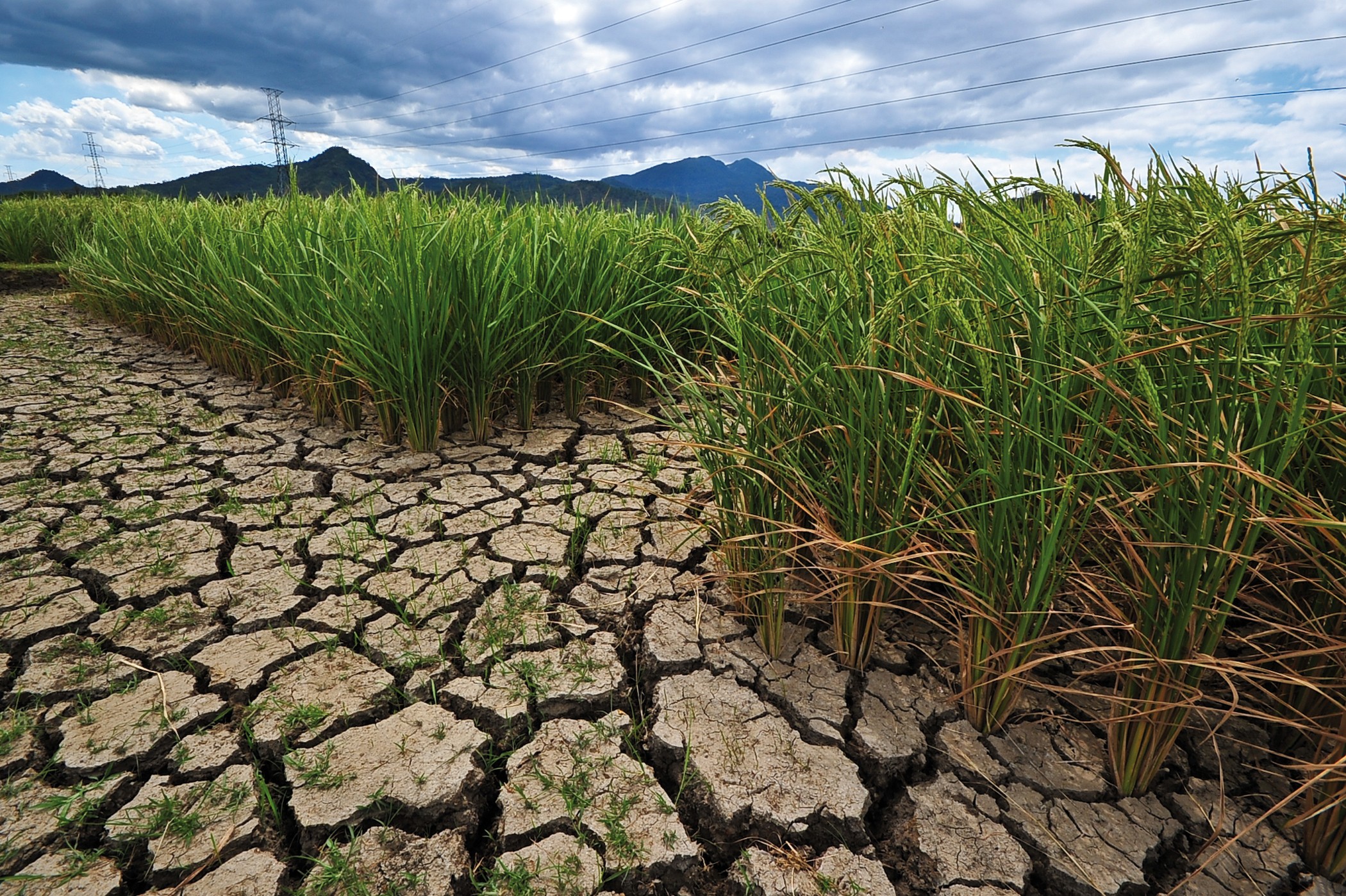
Especially the rice harvest — one of the country’s top exports — has been severely affected. Around 4 million acres of rice farmland have been damaged, amounting to 15% of the total farmland in the country.
Desperate for Water
The wet season is under way, but Thailand is contending with drought conditions in seven out of 67 provinces, according to the National Disaster Warning Center. Water rationing is taking place in almost a third of the country — levels of some of the main reservoirs are at their lowest levels in 20 years.
To the untrained eye, Thailand’s drought is deceptive. Across much of Suphanburi province, just north of Bangkok, many fields seem green and crop-filled.
“[But] the colour is wrong, too yellow” explains Samien Hongto, the spry 72-year-old chairman of the Central Farmers Network as he surveys rice fields close to his village.
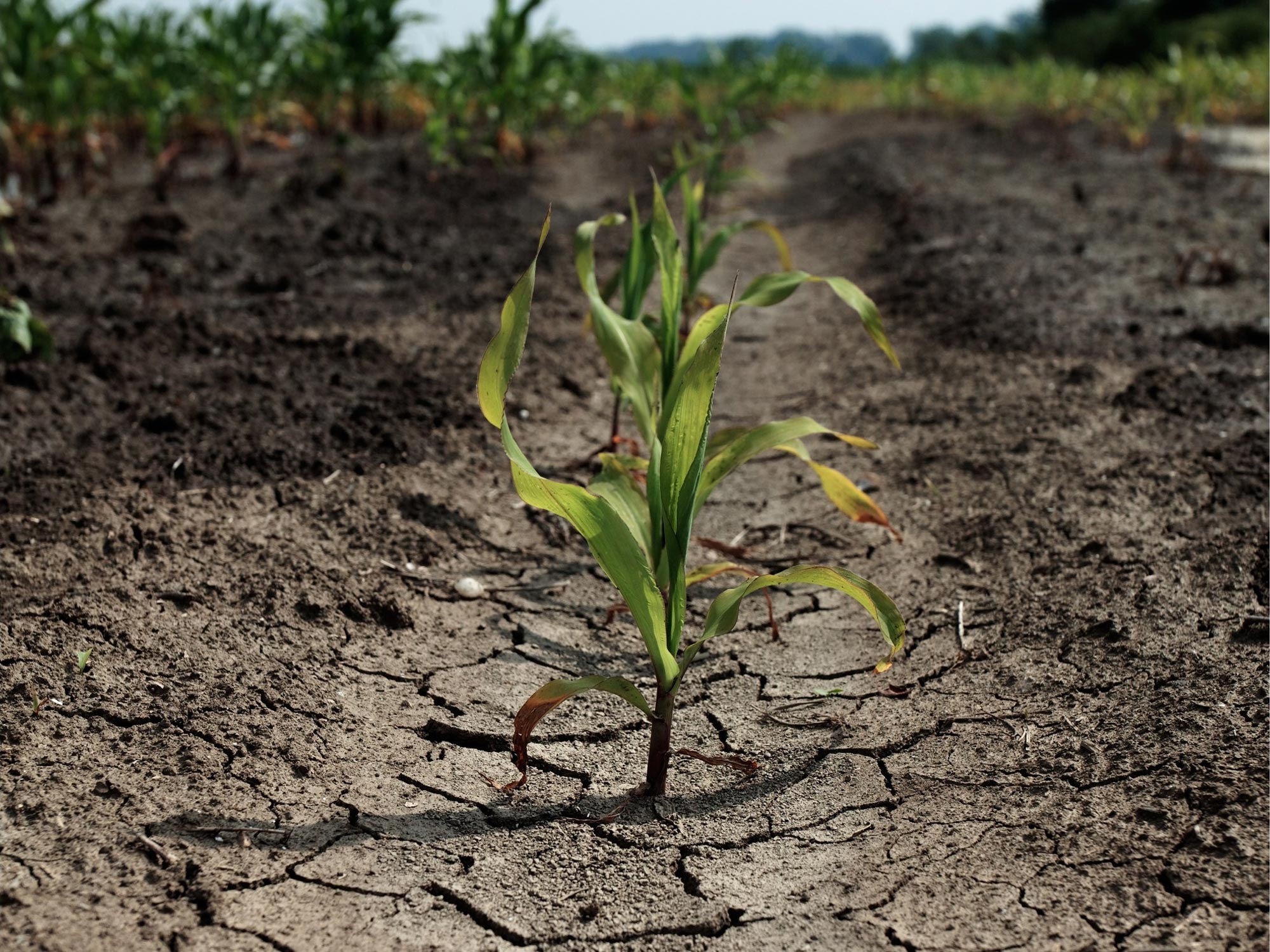
We can see the severity of the drought in the central province of Suphan Buri, 103 km from Bangkok, where farmers are fighting over the Tharakam canal. The canal is the last resort of hope to the farmers with all their crops dying.
This canal has pitted locals against each other with villagers upstream of hoarding its precious water to save their crops. Government requests to stop unauthorized pumping of canals are unrealistic and water rationing is unsustainable, farmers say.
To help farmers, officials are trying to clear irrigation channels, dig more ground wells and use cloud seeding technology to create artificial rainfall.
Rain is forecasted in drought-hit regions by August. With debt problems rising, it is still unclear whether many farmers can survive that long.
Political Implications
With Thailand’s vital rice belt being battered, the already weak economy suffering, and impoverished farmers forced deeper into debt, the junta’s Achilles heel has been revealed.
In May 2014, Thailand’s generals promised to restore order and prosperity after months of street protests brought the economy to a near standstill.
By severely curtailing civil liberties calm has been renewed. But the economy is still in a rut.
Post-coup gains of a rebound in tourism and increased fiscal spending have been offset by disappointing exports, declining manufacturing and weak local demand.
So a poor rice harvest is more than just an economic headache for the junta – it is a political dilemma.This is especially the case, as most of Thailand’s rice farmers hail from the country’s populous north where love for the ousted Shinawatras remains strong — in 2011, the government of then-Prime Minister Yingluck Shinawatra, bought rice from farmers at above-market prices which despite its popularity among rice farmers, backfired and brought the economy to a near stand-still.
But the failed crop harvests also erodes crucial support among some of the military’s natural allies because it only adds to an already negative outlook on the economy.
The dictatorship is extremely vulnerable to economic downturns because such issues could lose the junta support from Bangkok-centered middle and upper classes, the only groups in Thailand supporting the junta.
Source -http://www.investasian.com