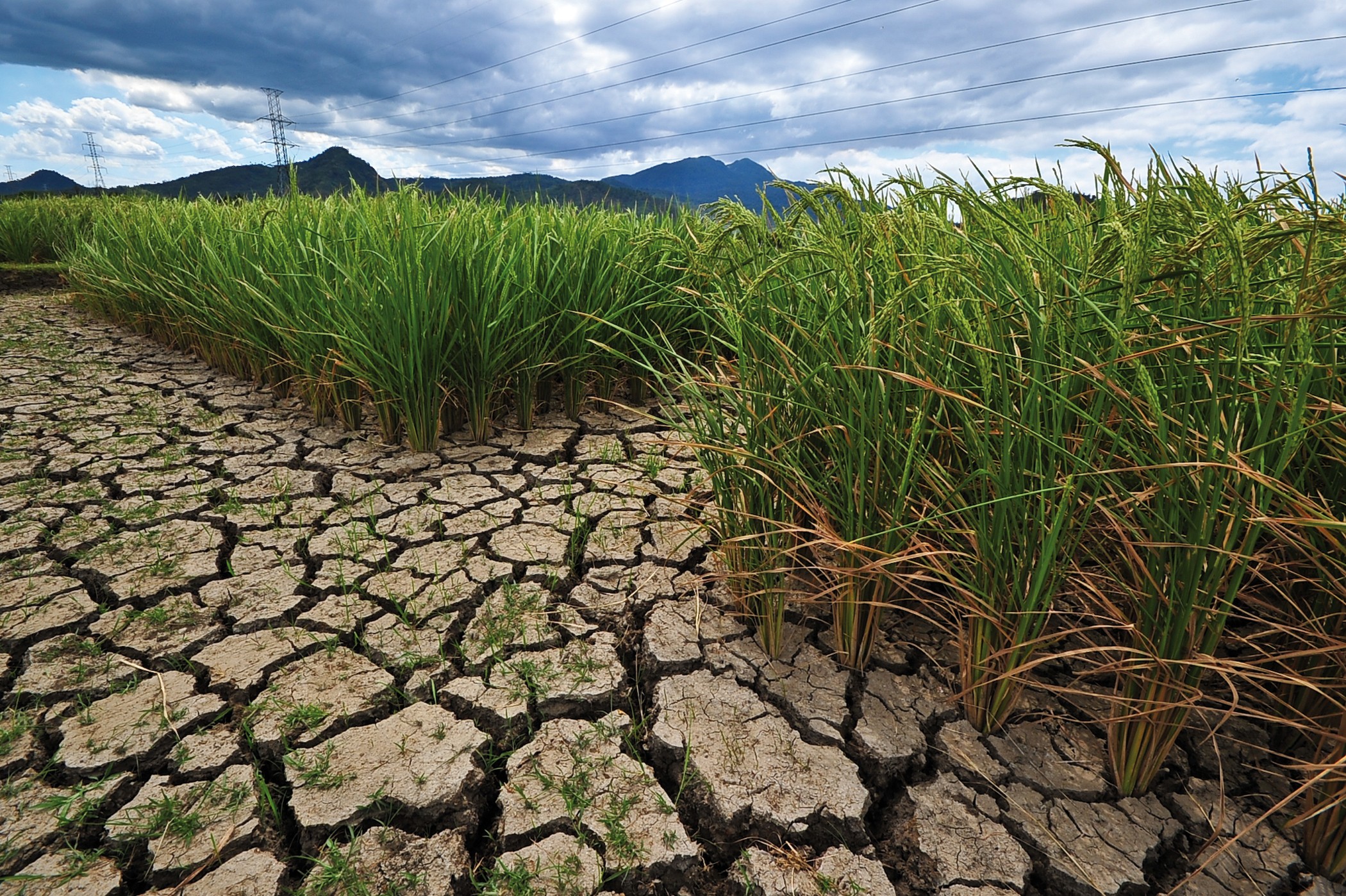
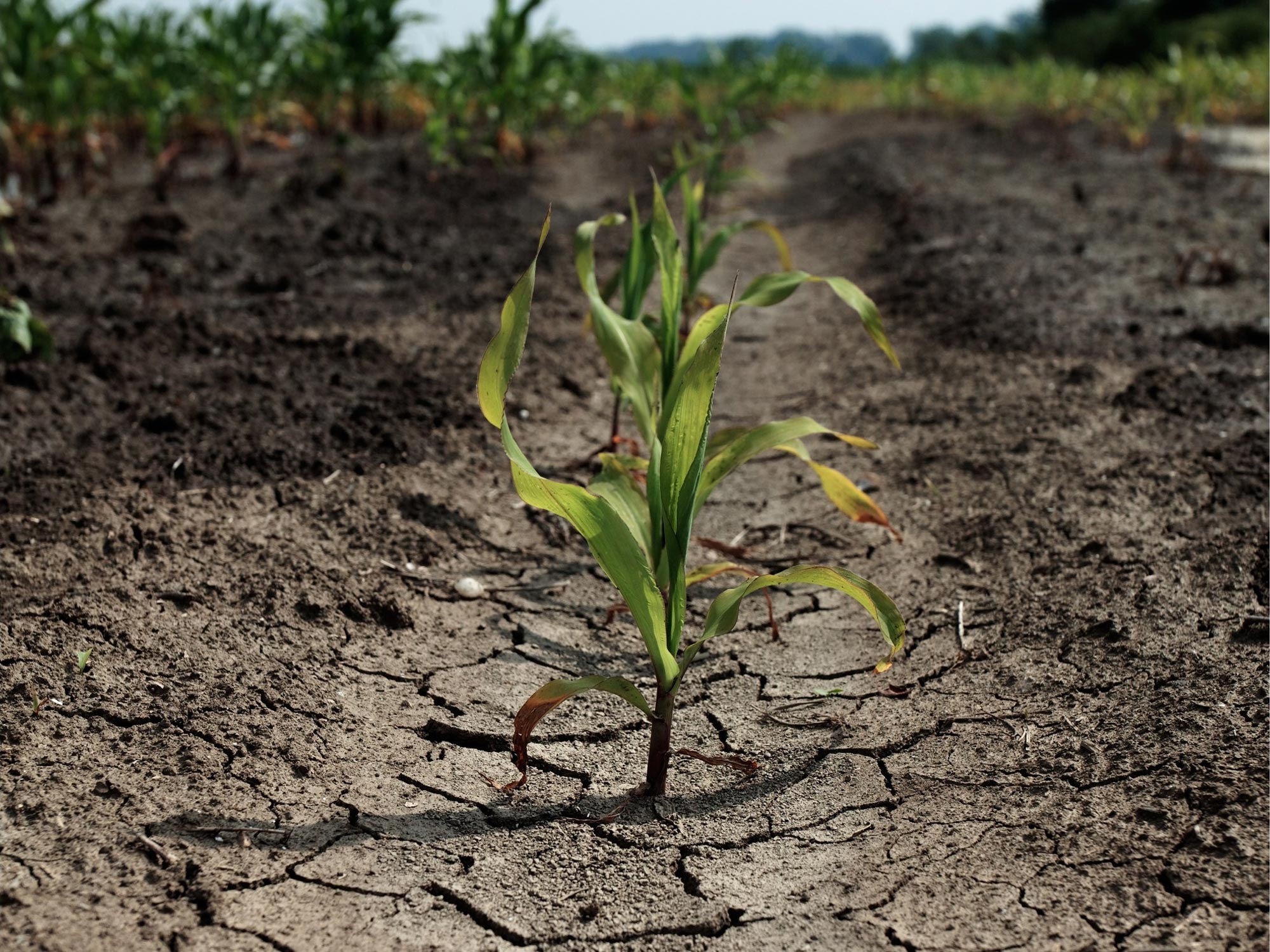
Eastern Miami-Dade and Broward counties have fallen into extreme drought conditions, water managers warned Thursday.
One measure of the severity: about 85 percent of Miami-Dade’s groundwater monitoring wells are at their lowest levels in a century, according to the U.S. Geological Survey.
Salinity in Biscayne Bay and Florida Bay continues to climb and severe and moderate conditions stretch west and north to Collier and Palm Beach counties. And the weather forecast promises little relief: below normal rainfall is expected in July.
If this year’s feeble rainy season continues, South Florida’s drinking water supply in the Biscayne Aquifer could be threatened by seawater pushing in underground from the coast.
“For us, it’s an indicator to start monitoring the saltwater intrusion line,” said South Florida Water Management District operations director Jeff Kivett.
The district could order local utilities to try to cut back use to protect regional wellfields if conditions worsen, Kivett said. For now, the district is urging residents in Miami-Dade and Broward to adhere to oft-ignored year-round restrictions that limit lawn watering to twice a week.
South Florida’s rainy season typically kicks in around June with the start of the hurricane season. But this year, following a dry spring, just over six inches has fallen across a 16-county region, more than two inches below average. July arrived with brutal heat, but little seasonal afternoon rain. Rainfall in Broward was off by more than eight inches. Miami-Dade was down seven inches.
Water managers are also wrestling with low water levels in Lake Okeechobee, which this week slipped below 12 feet.
In recent months, the district moved about 228 billion gallons from the lake south to test massive stormwater treatment areas as part of its Everglades restoration efforts and to avoid polluting the St. Lucie and Caloosahatchee rivers. In the spring, the lake is frequently lowered in anticipation of the rainy season and to protect its aging dike. The releases lowered the lake by about about two feet.
But because of restrictions on water quality, much of that water didn’t go where it was most needed in the southern Everglades. As a result, environmental conditions have worsened. Wetlands near Cape Sable have dried out and salt levels in the bays have climbed steadily above levels considered healthy for marine life.
“There’s just no water to be moved through the system,” Terrie Bates, the district’s chief of water resources, told the governing board at its monthly meeting Thursday.
Former board member Mike Collins warned conditions in Florida Bay are at their worst in years and “a precursor for some type of disaster.”
South Florida has always seen periodic droughts. But severe conditions can have dire consequences. In the 1990s, acres of seagrass in Florida Bay wilted after a drought, followed by a massive toxic algae bloom that left the bay sick for years. Already this year, researchers have warned that they are seeing fewer smaller prey fish in Florida Bay.
Balancing the ups and downs of the wet and dry seasons with the needs for flood control, water use and environmental conservation in South Florida can also have huge economic consequences. Case in point: a pumping permit needed to move water from Lake Okeechobee when levels fall too low that set off a ruckus Thursday.
James Nutt, an attorney with the district, said the U.S. Army Corps of Engineers is refusing to budge on a decision to revise permit requirements on the pumps which include stricter guidelines to protect habitat for endangered snail kites that nest around the lake.
Board member James Moran called the move “clearly an over-reach of the sovereign rights of Florida,” while Everglades Law Center attorney Lisa Interlandi defended the authority of federal regulators.
The board authorized the staff to appeal the Corps decision if the permit is denied in August and sue if necessary.
“The last time we had drought conditions and weren’t able to use pumps the farmers in [the Everglades Agricultural Area] suffered over ... $100 million in crop losses,” Moran fumed.
In other action, the board also voted 6-2 to maintain its tax rate next year — $38.42 for every $100,000 in taxable value in Southeast Florida — rejecting a recommendation from staff to roll back the rate needed to cover its $720 million budget.
The decision, if approved, will mean that most homeowners will likely pay more. But without maintaining the rate, the majority of board members worried a staff plan to dip into reserves to cover deficits would leave the district ill-prepared to deal with hurricanes or continue Everglades restoration work. The decision, which faces two public hearings in September, is the first time in five years the district has voted to maintain its rate and not cut taxes.
“We’ve proven we can run lean and mean and we’re good stewards of the people’s taxpayer money,” said board member Sandy Batchelor. “But we need to be forward thinking.”
Source - http://www.miamiherald.com