El Niño, a phenomenon in which equatorial water temperatures rise in the Pacific, is threatening to aggravate the drought situation in southeast Asia, even as excessive rain lash parts of South America.
Experts warn the drought caused by El Niño in the Asian region during the first half of the year could last for several more months, with disastrous consequences.
Thailand anticipates a reduction of 0.52 percent in its GDP this year, owing to a smaller harvest due to lack of rains, while Indonesia and the Philippines estimate millions in losses in their agricultural sectors.
“I do not recall a drought like this in the last 20 years,” said Nom, a Thai woman in her 80s from the central province of Suphanburi, sitting on the porch of her house, among rice fields, in the Don Chedi district, north of Bangkok.
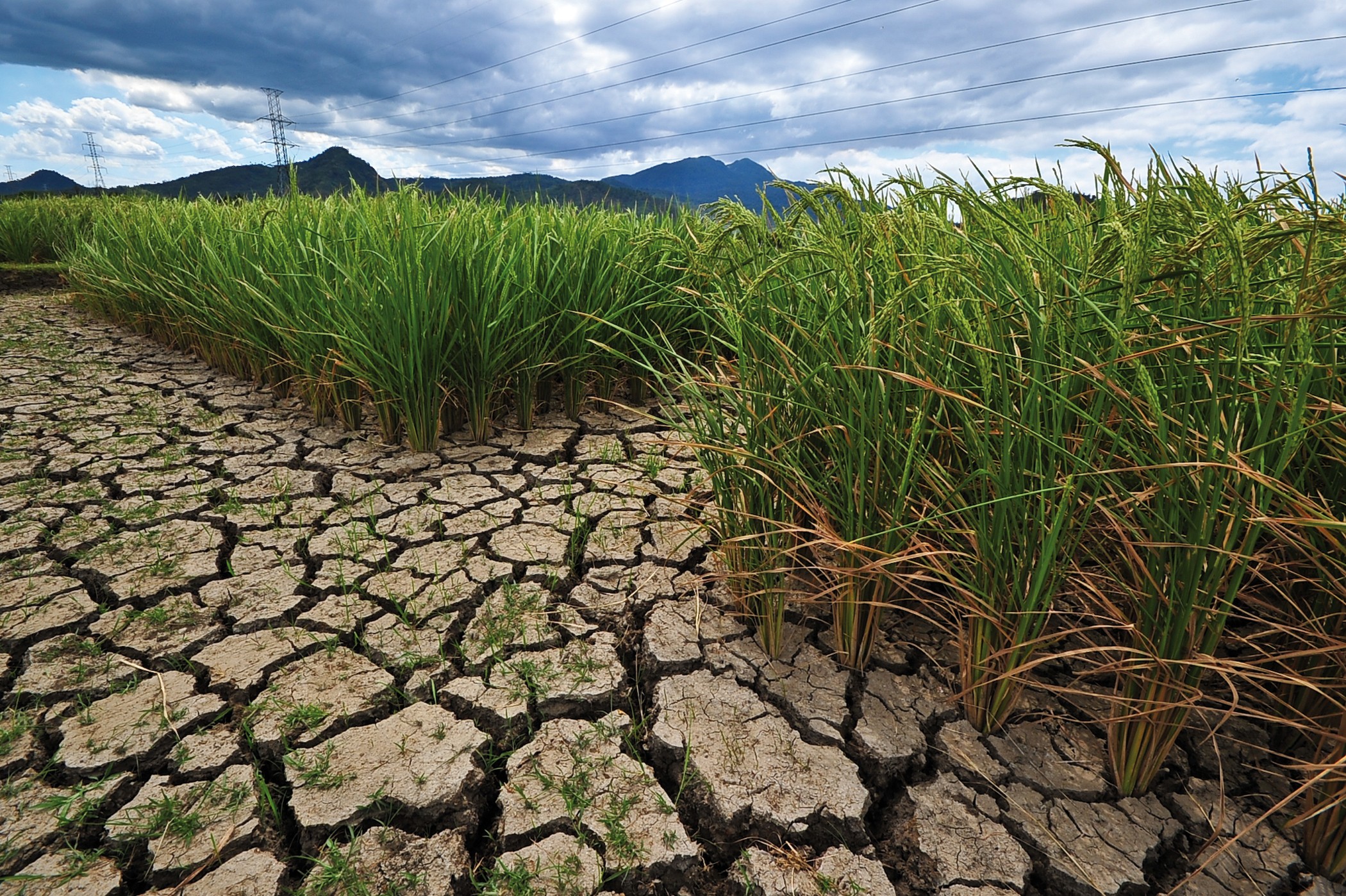
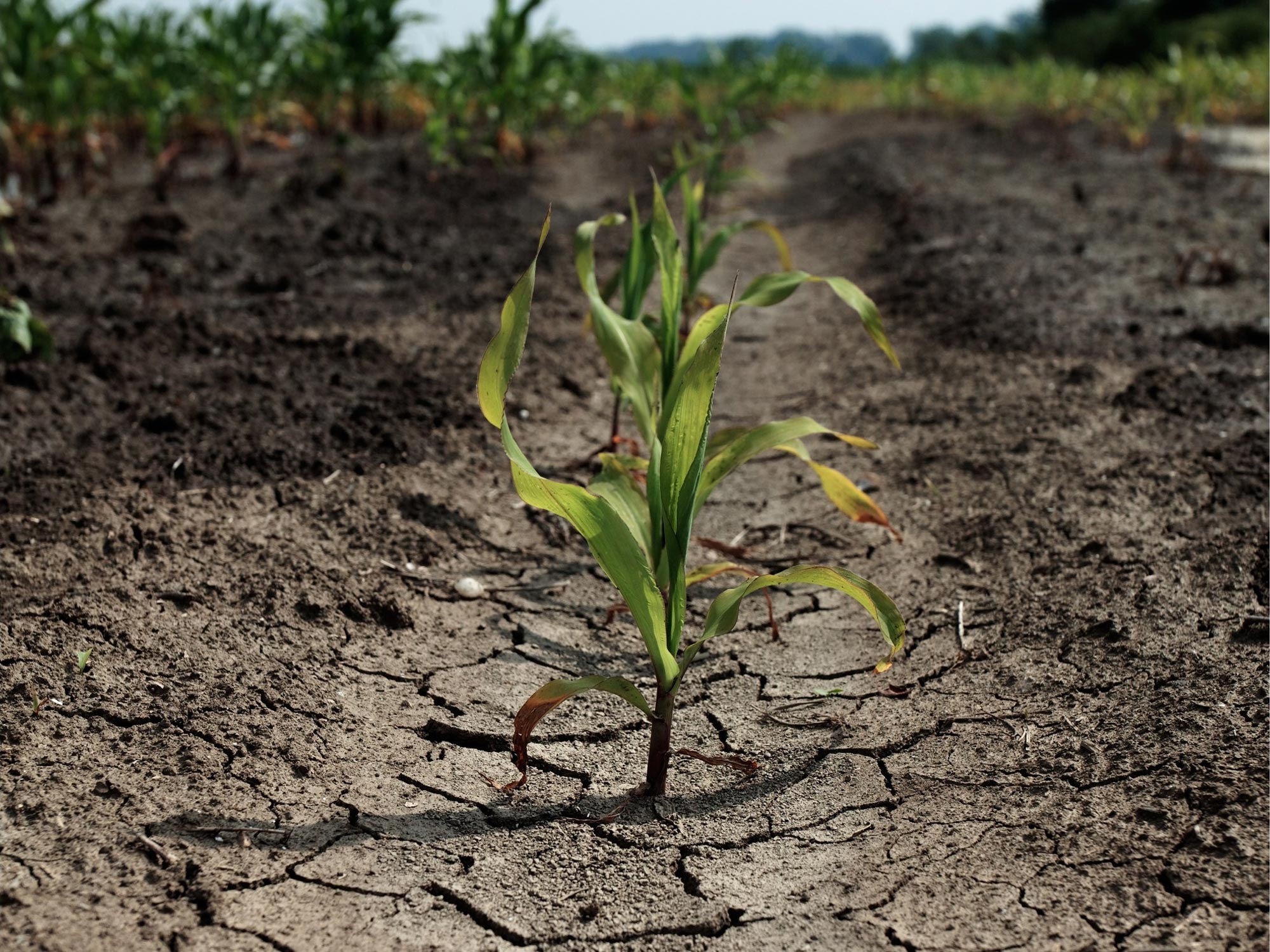
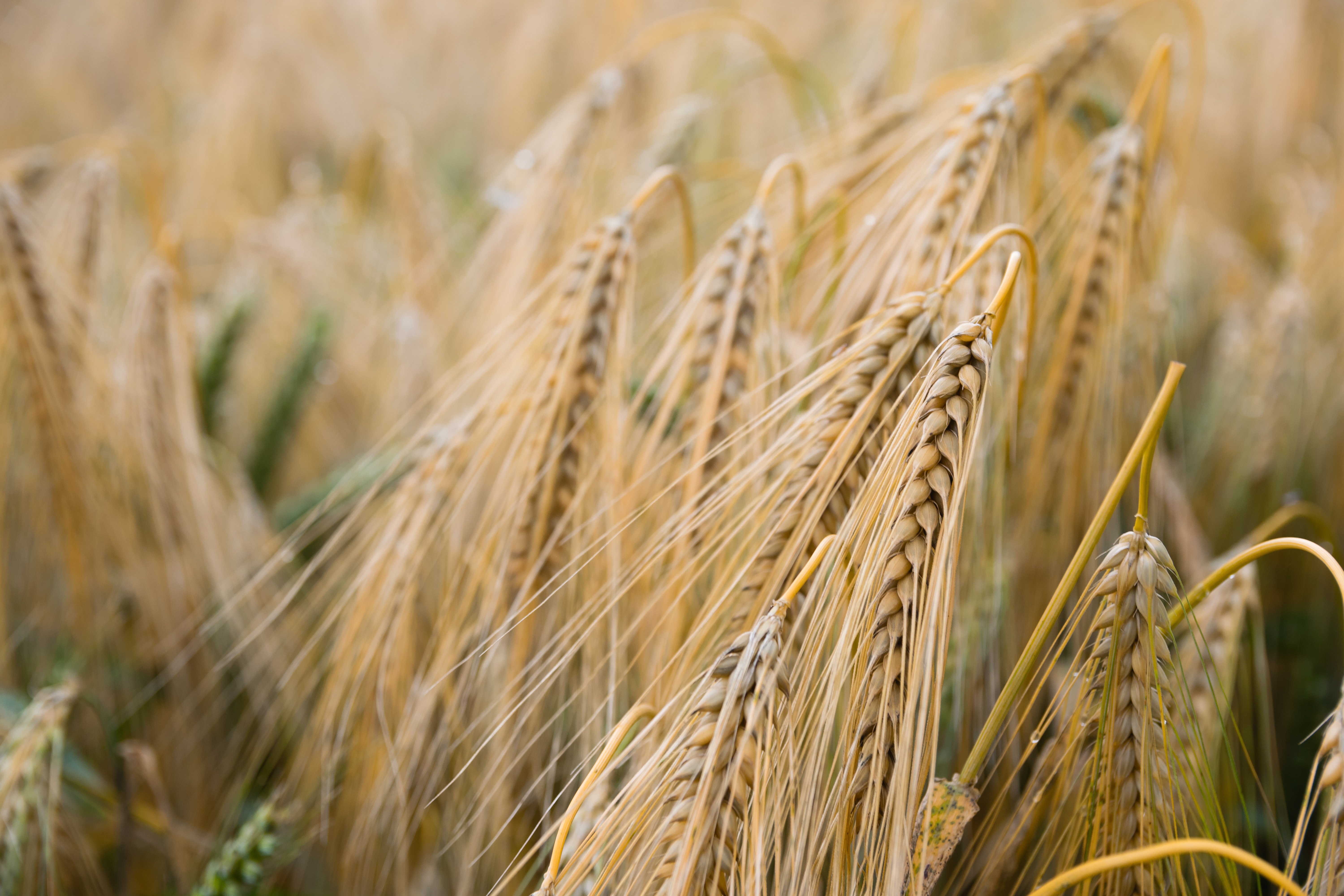
Dry cracks on the land are visible on some fields, but crops in others, more green fields, have not grown sufficiently and will also be lost.
Nom laments the loss of this year’s first rice harvest and fears a second one, if the rains do not arrive soon.
She says, if they manage to have a second harvest this year, her family of five members will probably be able to get around 50,000 baht (approximately $1,400) from the sale of the grain produced on their 1.44 hectares (3.6 acres) of land.
Thai farmers, who in several parts of the country produce two harvests annually, are burdened by low prices of rice and mounting debt due to expenses of fertilizers and machinery.
“Every year we use water from the canal when there are no rains, but this year it is unusually dry, even the canals are drying up,” said Suchart Nalengnit, a 52-year-old farmer.
In the Philippines, in the first half of 2015, farmers reaped one of the worst harvests in recent years, due to excessive hot weather and scarce rainfall, prompting the government to declare a state of calamity in at least eight provinces.
The Philippine Atmospheric, Geophysical and Astronomical Services Administration attributed these atmospheric conditions to the El Niño phenomenon and predicted it will last until early 2016, causing a significant decline in rainfall.
Mey Virak, National Coordinator for Pandemic planning of National Committee on Disaster Management in Cambodia, says water levels of Mekong river and Tonle Sap lake is below normal.
“Some communities hardly have any water; the rains will arrive very late this year. Cambodia needs water now,” Virak told EFE.
Peru, on the other side of the ocean, had to declare a state of emergency in 14 of its 25 regions owing to an imminent danger of heavy rains.
Rains in Chile has already affected thousands of people and caused destruction in various parts of the country.
El Niño warms waters in the eastern equatorial Pacific, which leads to increased rains and floods in some countries in South America, while the western part of the ocean cools, reducing rains in Southeast Asia.
Source - http://www.laht.com/