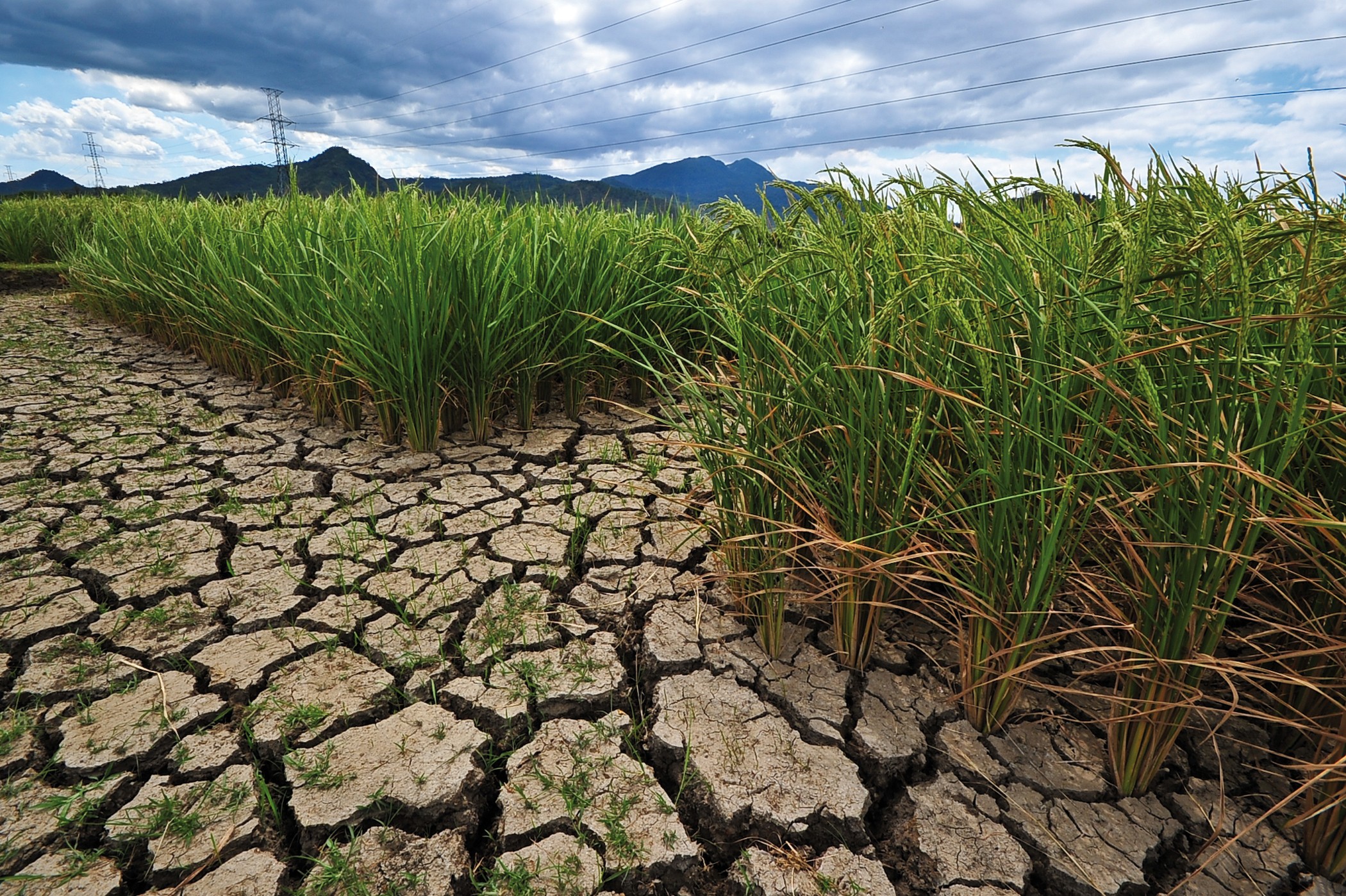
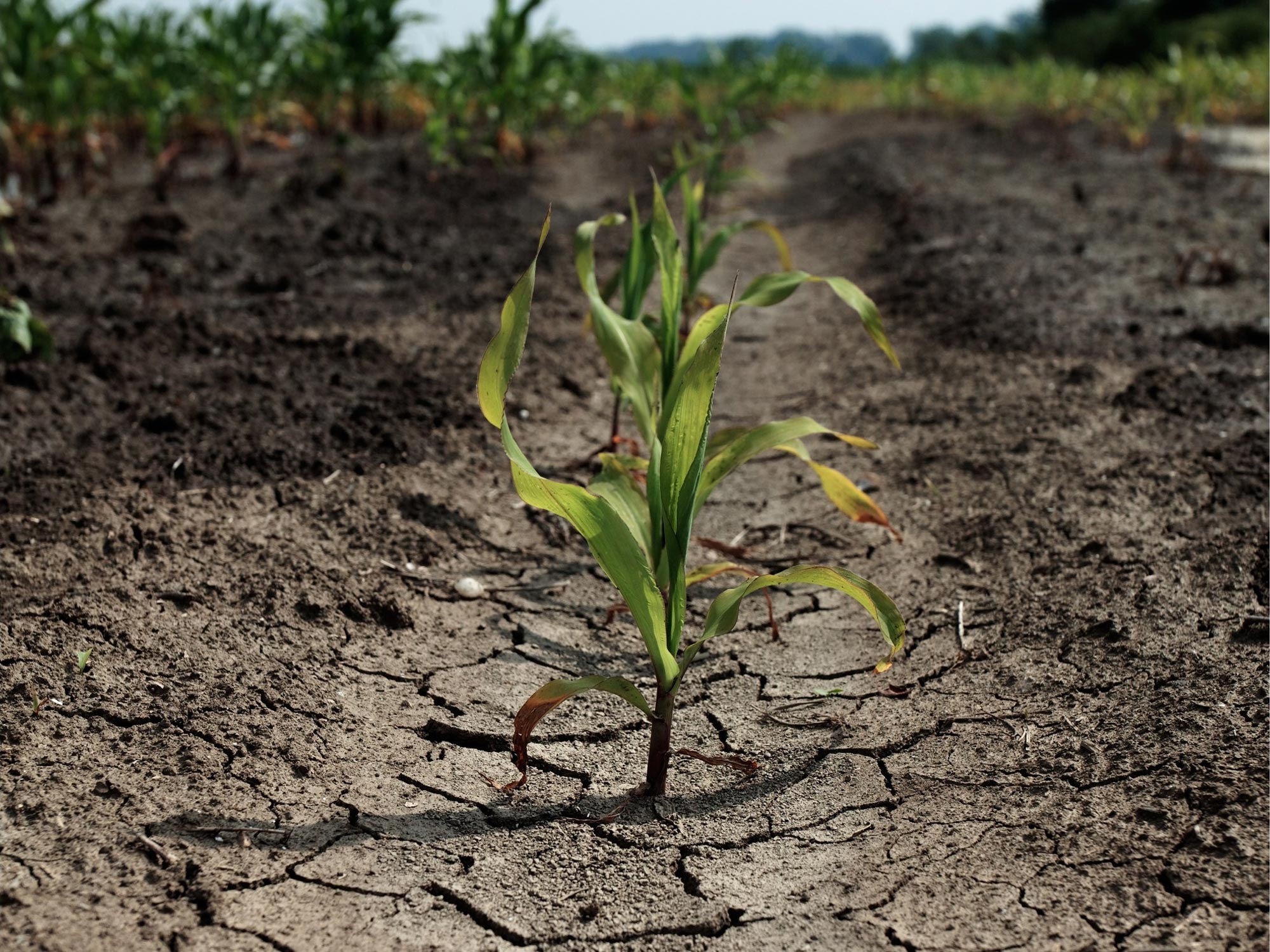
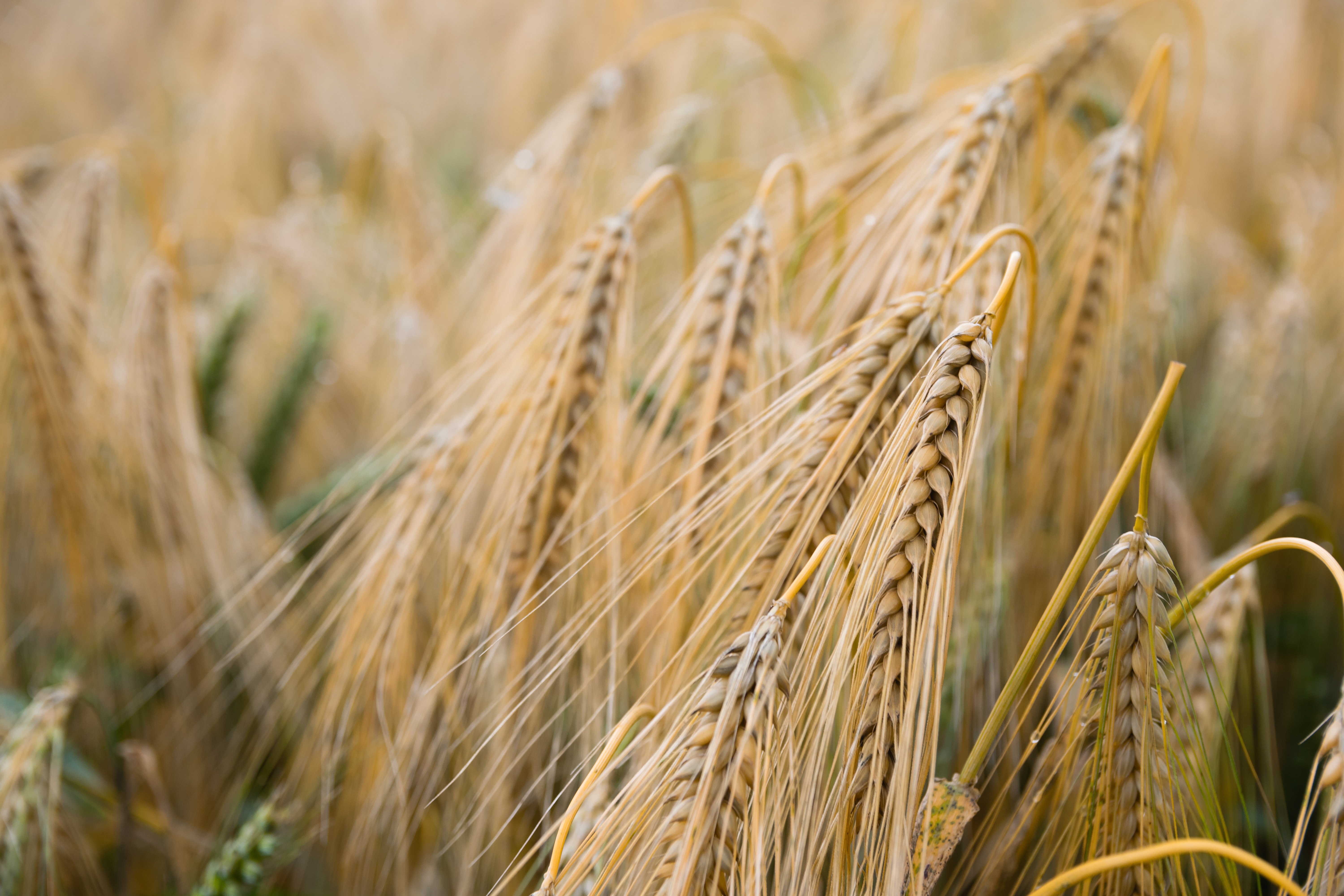
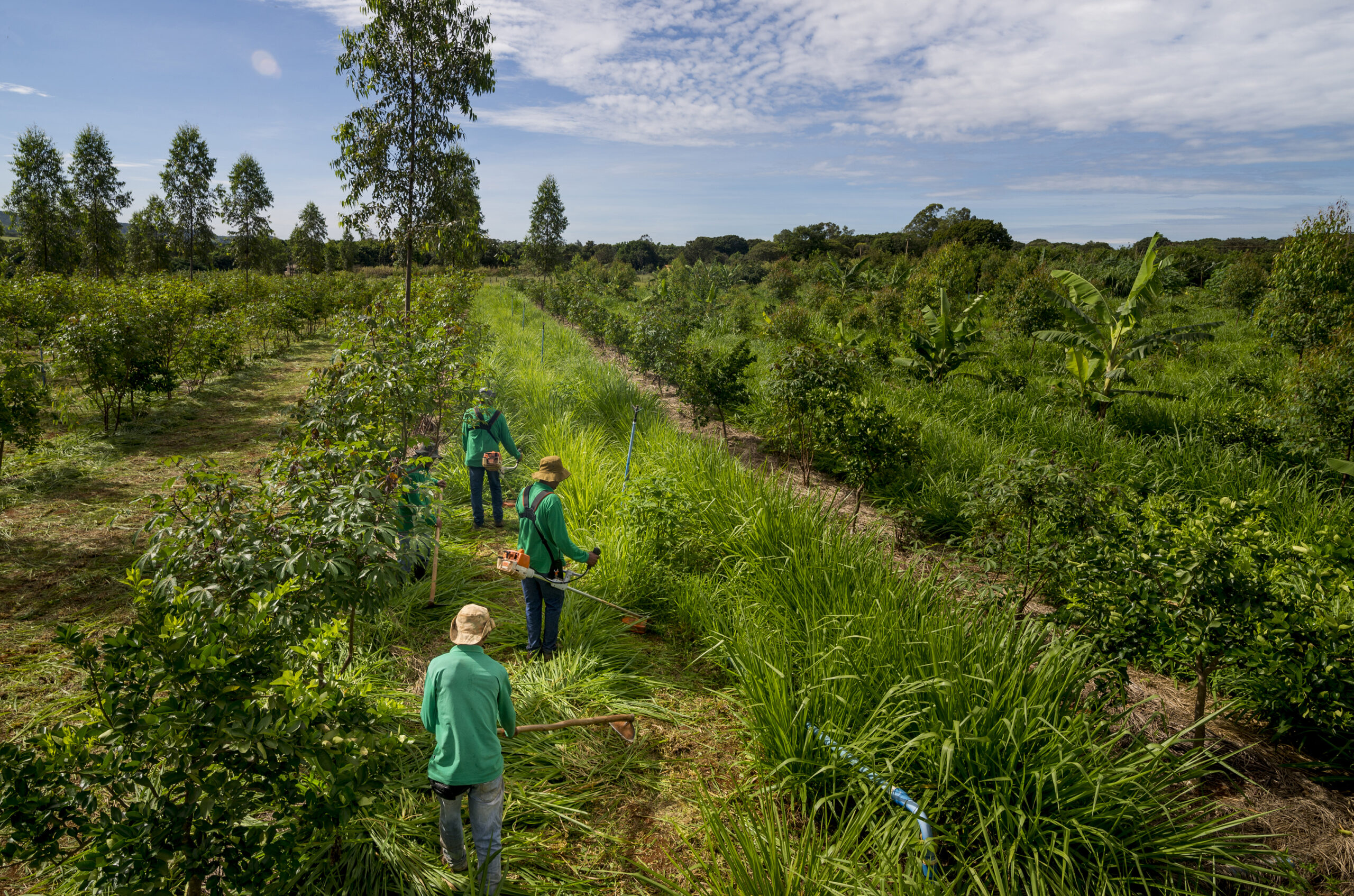
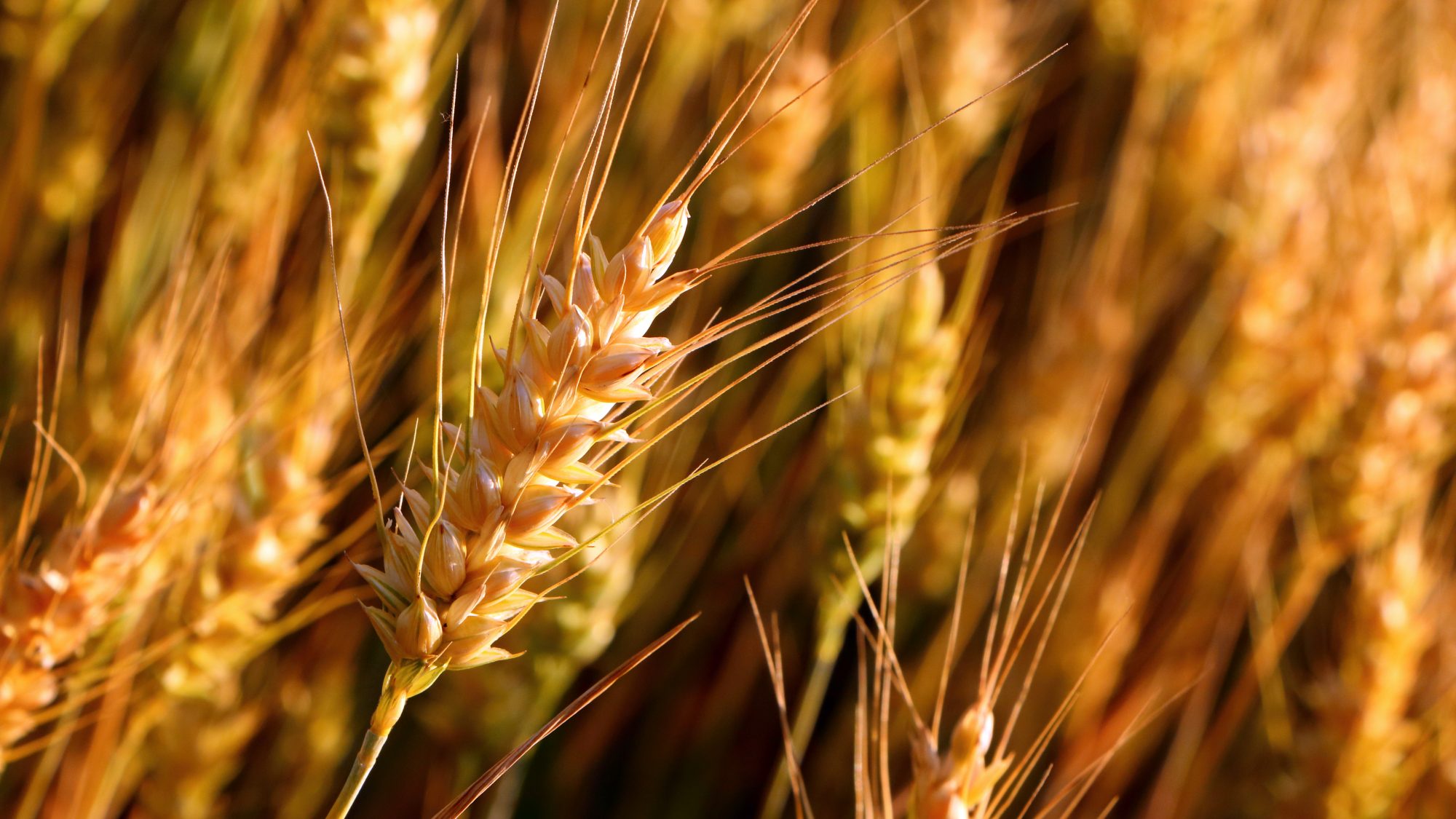
A devastating drought and parched soil will see crops harvested weeks ahead of schedule and yielding way below average, regional farmers say.
“This is the worst year I have ever seen all my life. We’ve certainly not had a drier crop,” said John Hofer, leader of the Elkwater Hutterites. “The frost got the crops a couple times in the spring and then the drought.”
Any rain has simply splattered on parched earth.
“They are very, very dry. It’s suffered real bad. We have had only 20 millimetres of rain throughout the growing season. It just fell on the dust and was gone,” said Gerard Oosterhuis, who farms 25 kilometres west of Medicine Hat.
The very wet harvest conditions farmers complained about last fall actually helped them out this year.
“The only thing that saved us was lots of fall moisture from last year,” said Oosterhuis, who has 40 per cent of his crop irrigated and 60 per cent on dry land. “We would not have a crop standing if it wasn’t for last year’s fall moisture.”
Hofer says it is modern farming methods, to preserve moisture, that has helped their crops of lentils, peas, barley, durum, canola, spring wheat.
“We only open the ground enough to put the seed and fertilizer in,” said Hofer. “It’s unbelievable how you can preserve moisture.”
It is not the kind of crop the Elkwater Hutterites are used to but they are making the best of it, said Hofer. The sprinkling of rain in Medicine Hat on Friday morning had not reached Elkwater when Hofer spoke to the News on Friday.
“We need rain to fill out the crop to get the kernels nice and plump,” he explained.
Oosterhuis has already started the process of getting his crops of lentils, durum and winter wheat, ready for harvest — weeks ahead of the usual schedule.
“We anticipate harvesting by late next week,” said Oosterhuis. “There is some other harvesting already going on in the area.”
The normal time for harvesting lentils would be early August.
Hofer says they will harvest peas in the next week — which is at least a couple weeks early.
Oosterhuis expects the harvest to be 40 per cent below the average of the last five years.
Even though the harvest is much earlier there is no point in trying to plant an additional crop. If there is significant moisture now it will go into the sub-soil and that might make it feasible to seed winter wheat, but Oosterhuis thinks it is unlikely.
“I think we are in a dry cycle. The Prairies long-term averages are very cyclical,” said Oosterhuis. “Climatologists have warned of a drier pattern. We could already see that last year when we had an average crop and this year below average.”
Crop insurance is based on average production and because the last five years were good the average is good.
“We can withstand one of these with our crop insurance,” said Oosterhuis
Source - http://medicinehatnews.com/