In California, they’re counting on it to end a historic drought; in Peru, they’ve already declared a pre-emptive emergency to prepare for devastating flooding. It’s both an economic stimulus and a recession-maker. And it’s likely to increase the price of coffee, chocolate and sugar.
It’s El Nino — most likely, the largest in well over a decade, forecasters say. A lot more than mere weather, it affects lives and pocketbooks in different ways in different places.
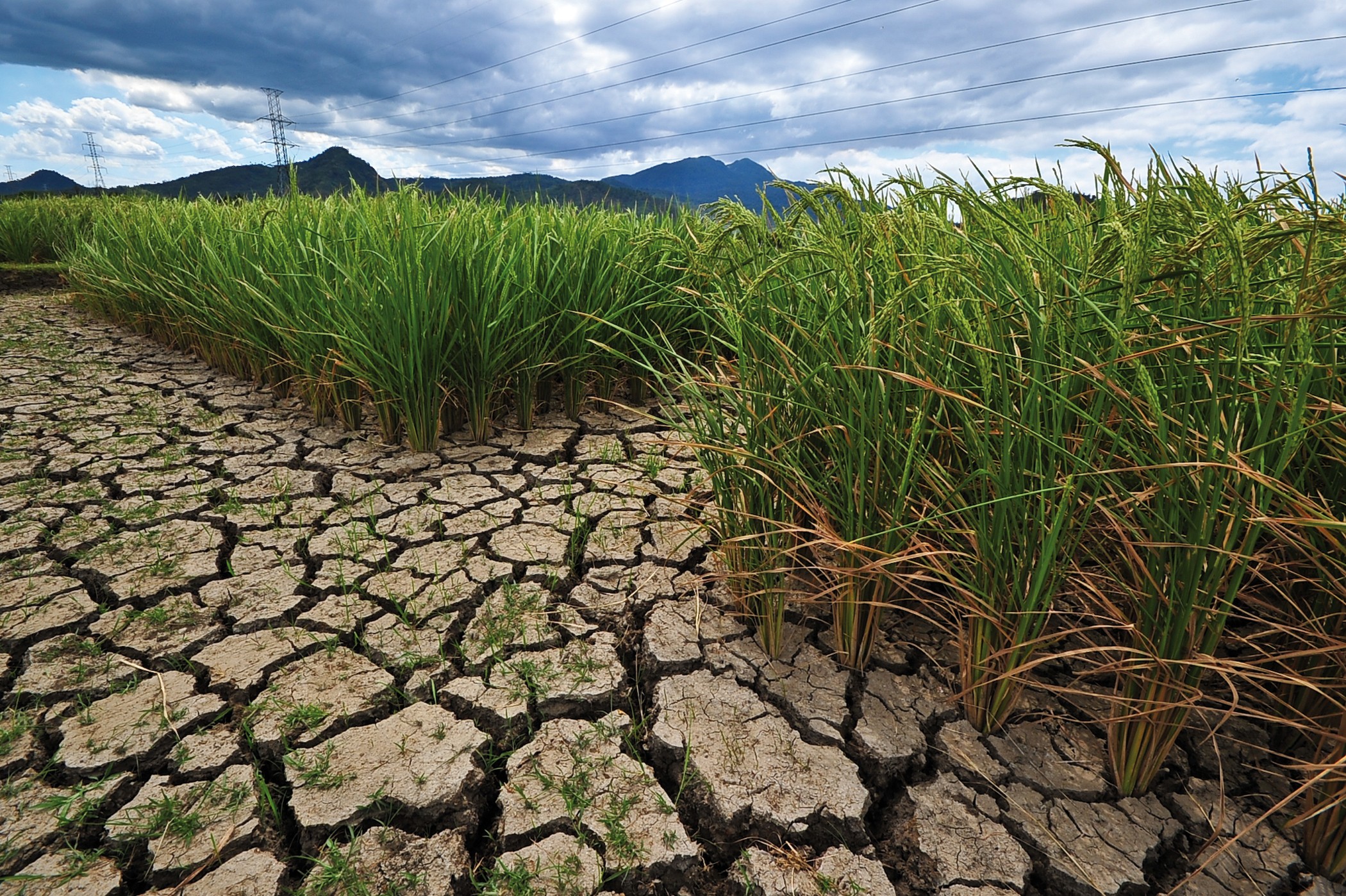
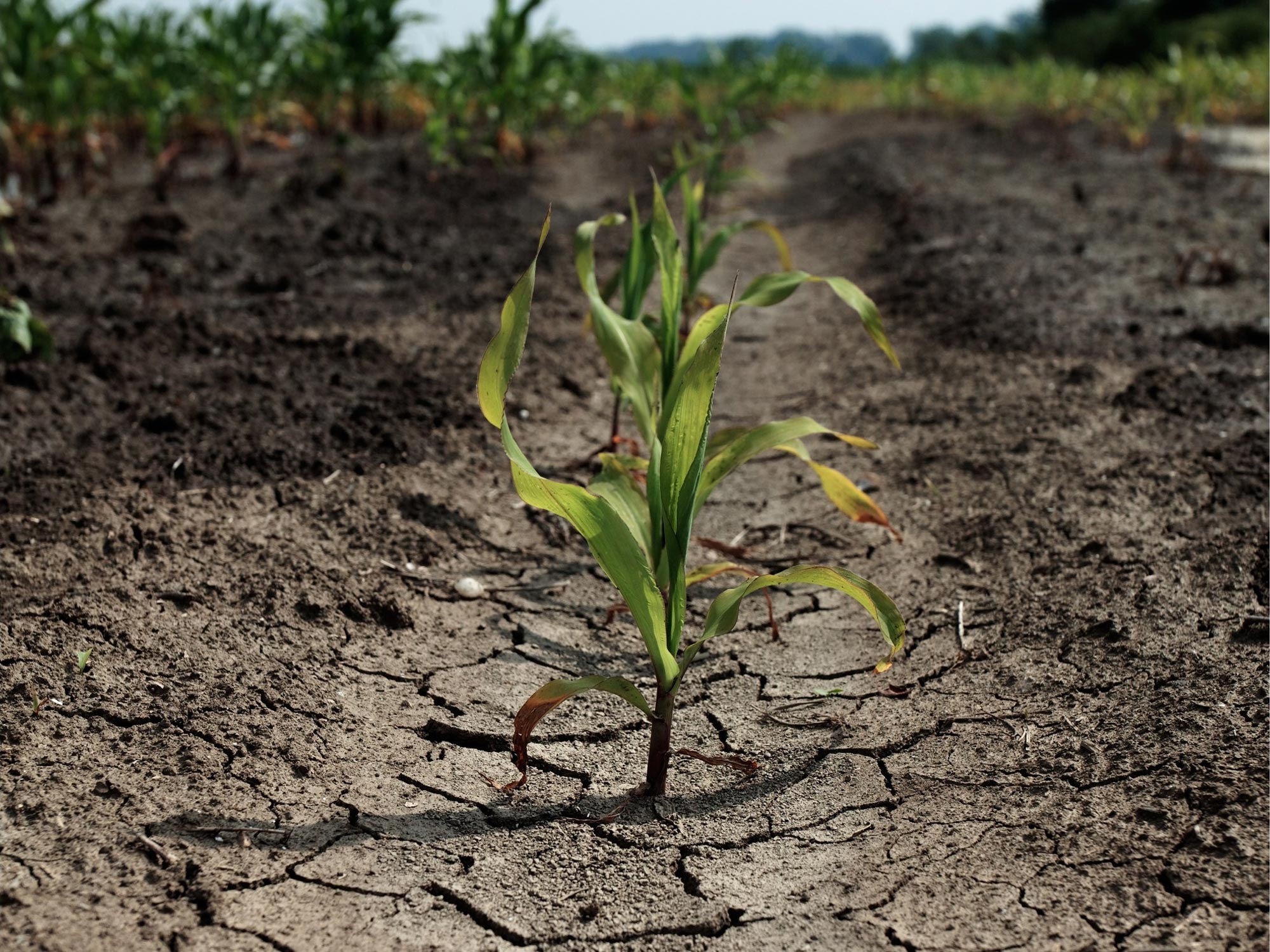
Every few years, the winds shift and the water in the Pacific Ocean gets warmer than usual. That water sloshes back and forth around the equator in the Pacific, interacts with the winds above and then changes weather worldwide. This is El Nino. Droughts are triggered in places like Australia and India, but elsewhere, droughts are quenched and floods replace them. The Pacific gets more hurricanes; the Atlantic fewer. Winter gets milder and wetter in much of the United States. The world warms, goosing Earth’s already rising thermometer from man-made climate change.
Peruvian sailors named the formation El Nino — the (Christ) Child — because it was most noticeable around Christmas. An El Nino means the Pacific Ocean off Peru’s coast is warm, especially a huge patch 330 feet (100 meters) below the surface, and as it gets warmer and closer to the surface, the weather “is just going to be a river falling from the sky,” said biophysicist Michael Ferrari, director of climate services for agriculture at the Colorado firm aWhere Inc.
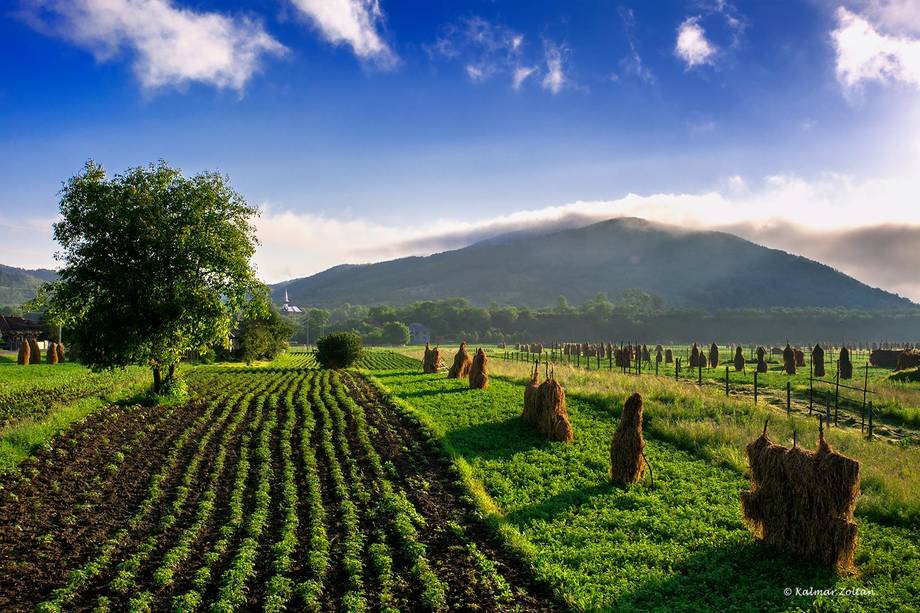
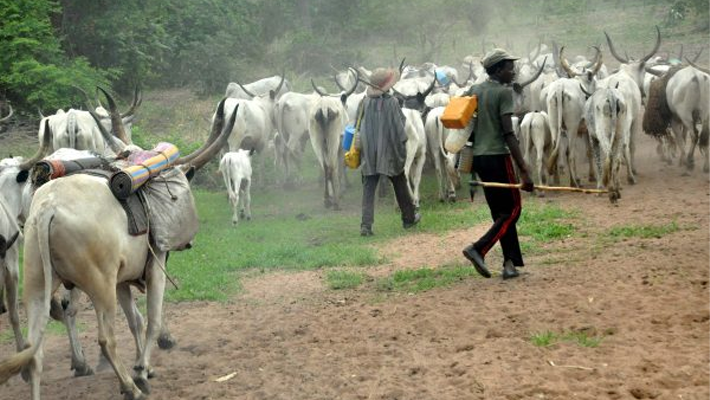
Around the world, crops fail in some places, thrive elsewhere. Commercial fishing shifts. More people die of flooding, fewer from freezing. Americans spend less on winter heating. The global economy shifts.
“El Nino is not the end of the world so you don’t have to hide under the bed. The reality is that in the U.S. an El Nino can be a good thing,” said Mike Halpert, deputy director of the U.S. National Oceanic and Atmospheric Administration’s Climate Prediction Center.
This El Nino officially started in March and keeps getting stronger. If current trends continue, it should officially be termed a strong El Nino early in August, peak sometime near the end of year and peter out sometime next spring. Meteorologists say it looks like the biggest such event since the fierce El Nino of 1997-1998.
California mudslides notwithstanding, the U.S. economy benefited by nearly $22 billion from that El Nino, according to a 1999 study. That study found that 189 people were killed in the U.S., mainly from tornadoes linked to El Nino, but an estimated 850 lives were saved due to a milder winter.
A United Nations-backed study said that El Nino cost Bolivia, Colombia, Ecuador, Peru and Venezuela nearly $11 billion. Flooding in Peru destroyed bridges, homes, hospitals and crops, and left 354 dead and 112 missing, according to the Pan-American Health Organization. The mining industry in Peru and Chile was hammered as flooding hindered exports.
Though this year’s El Nino is likely to be weaker than the 1997-1998 version, the economic impact may be greater because the world’s interconnected economy has changed with more vulnerable supply chains, said risk and climate expert Ferrari.
Economic winners include the U.S., China, Mexico and Europe, while India, Australia and Peru are among El Nino’s biggest losers.
On average, a healthy El Nino can boost the U.S. economy by about 0.55 percent of gross domestic product, which would translate more than $90 billion this year, an International Monetary Fund study calculated this spring. But it could also slice an entire percentage point off Indonesia’s GDP.
Indonesia gets hit particularly hard because an expected El Nino drought affects the country’s mining, power, cocoa, and coffee industries, said IMF study co-author Kamiar Mohaddes, an economist at the University of Cambridge in London.
The expected El Nino drought in parts of Australia has started and may trim as much as 1 percent off of the country’s GDP, said Andrew Watkins, supervisor of climate prediction services at the Australian Bureau of Meteorology.
Tony Barnston, lead El Nino forecaster at the International Research Institute for Climate and Society at Columbia University, cautioned that while El Nino has predictable effects and this one is strong, what happens next is not exactly certain.
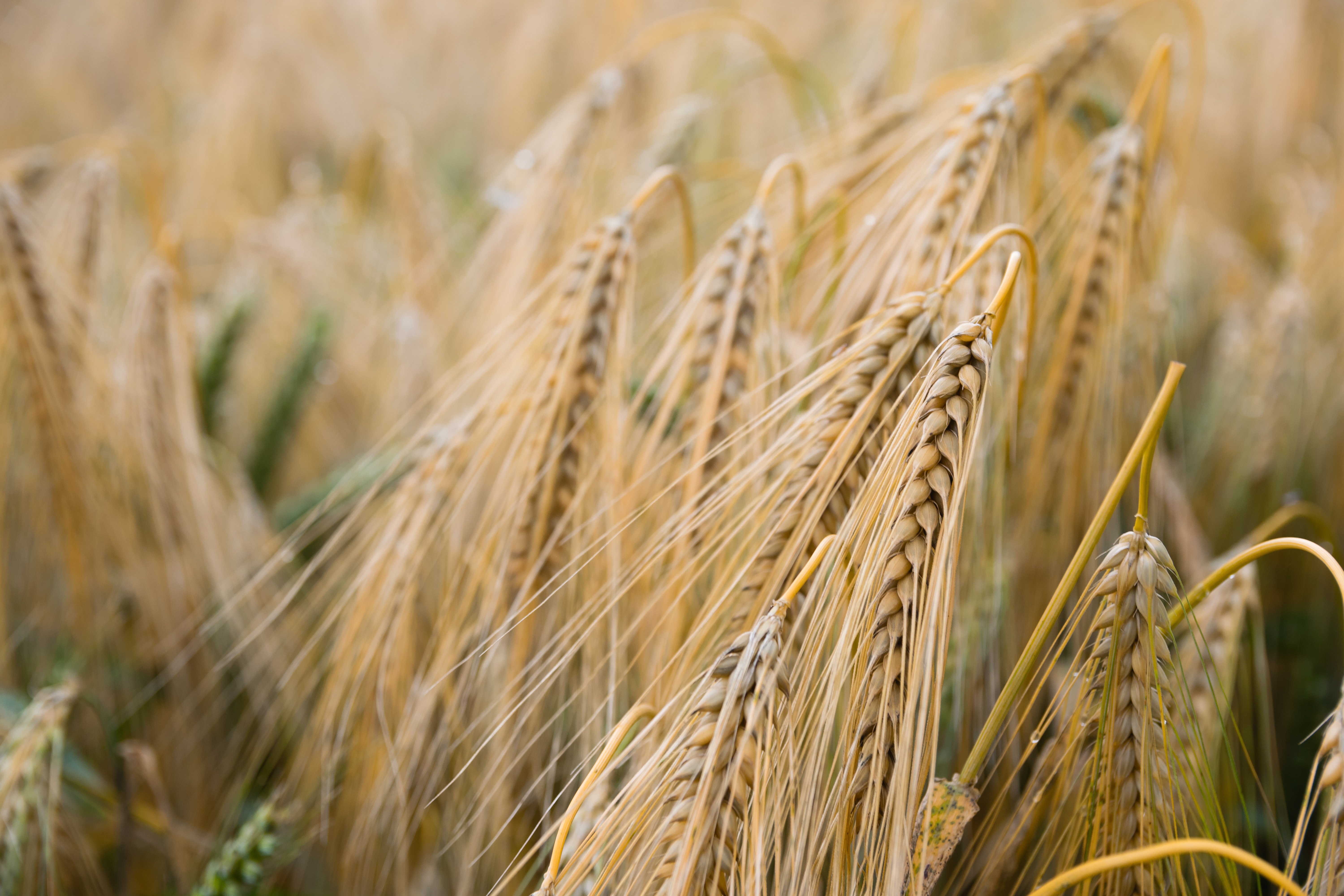
But Peruvians are worried. Abraham Levy, director of Ambiental Andina, which advises businesses on meteorology- and hydrology-related issues, believes this El Nino could lead Peru into recession. Important export crops such as mangos and asparagus that grow in coastal valleys are already being adversely affected by the unseasonably high temperatures, said Levy.
“The export mango crop has not yet flowered,” he said. “And if we don’t have flowers we don’t have fruit.”
And then there’s the flooding. Peru declared a pre-emptive state of emergency this month for 14 of its 25 states, appropriating some $70 million to prepare. Hilopito Cruchaga, the Civil Defense director in Peru’s northern region of Piura, said authorities are clearing river beds of debris, reinforcing river banks with rock and fortifying reservoir walls. Sandbags and rocks are also being piled up.
“If the sea stays this hot at the end of August I’m afraid we’re doomed,” he said.
Source - http://www.japantimes.co.jp/