When we think of climate change, we often imagine melting ice caps, rising sea levels that engulf small islands and changes to habitats that decimate entire species.
Yet the reality of climate change for Illinois — and other inland states — will be slow, almost imperceptible transformations that cause long-lasting, difficult problems. Although less dramatic, climate change will be no less disruptive for Illinois. The repercussions will be complex and influence everything from human health to electricity costs. Even our ability to grow crops will change.
What will Illinois' climate be like in the future?
The effects of climate change will not be uniform. Some areas of the world will experience warming, while others become cooler. Likewise, some areas will dry up, while others become wetter. Globally, this information is available from the Intergovernmental Panel on Climate Change (IPCC), an organization that assesses the most recent research on climate change.
For Illinois, the U.S. Global Change Research Program predicts that the number of days each year with temperatures over 95 degrees Fahrenheit will more than double by the middle of this century. The southern part of the state is expected to have more than 20 additional days with such scorching temperatures. Even northern Illinois and Chicago will have some areas with 15 or more days of extreme heat. In fact, the average Chicagoan is likely to experience more days above 95 degrees Fahrenheit by mid-century than the average Texan does today.
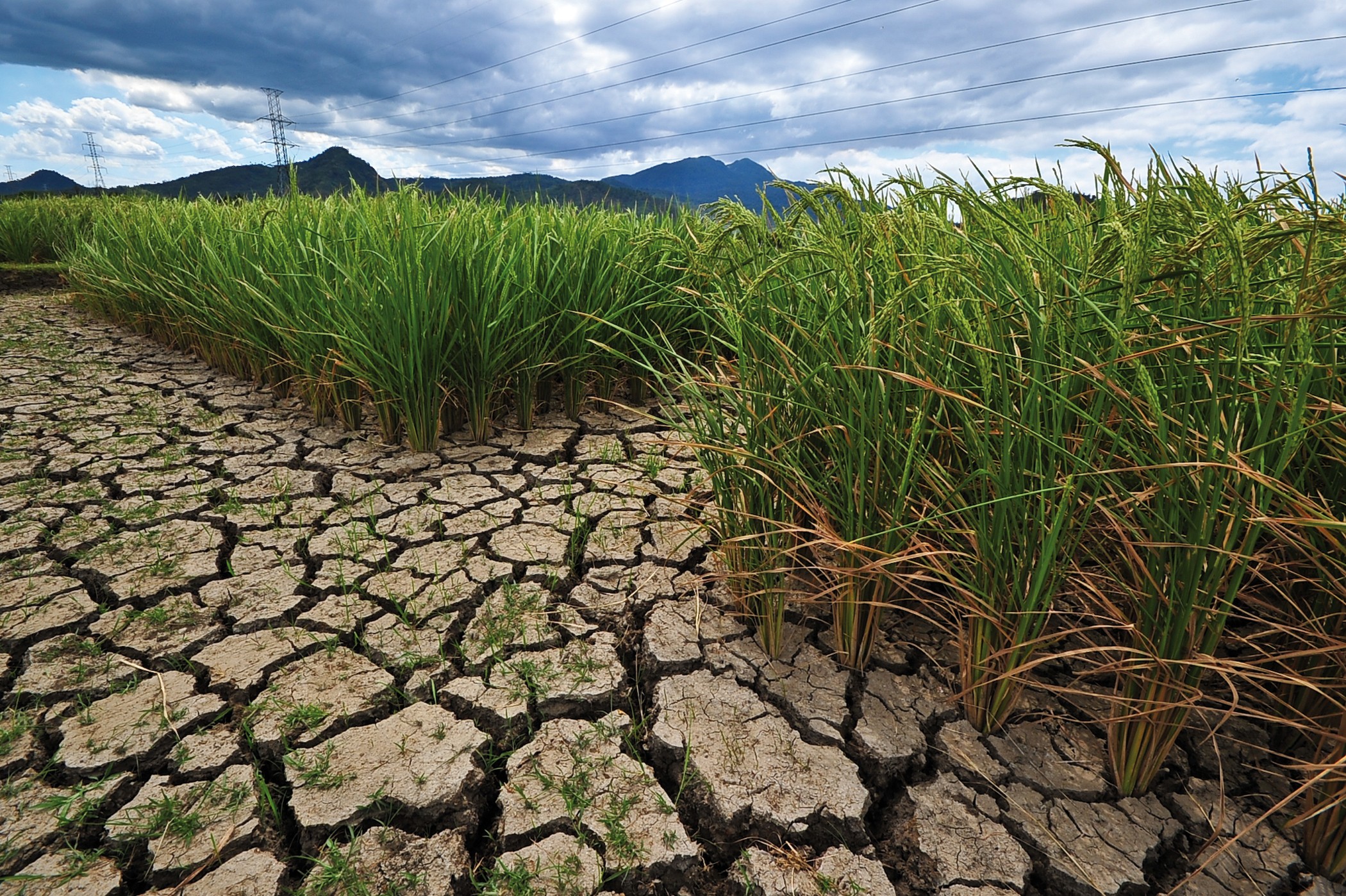
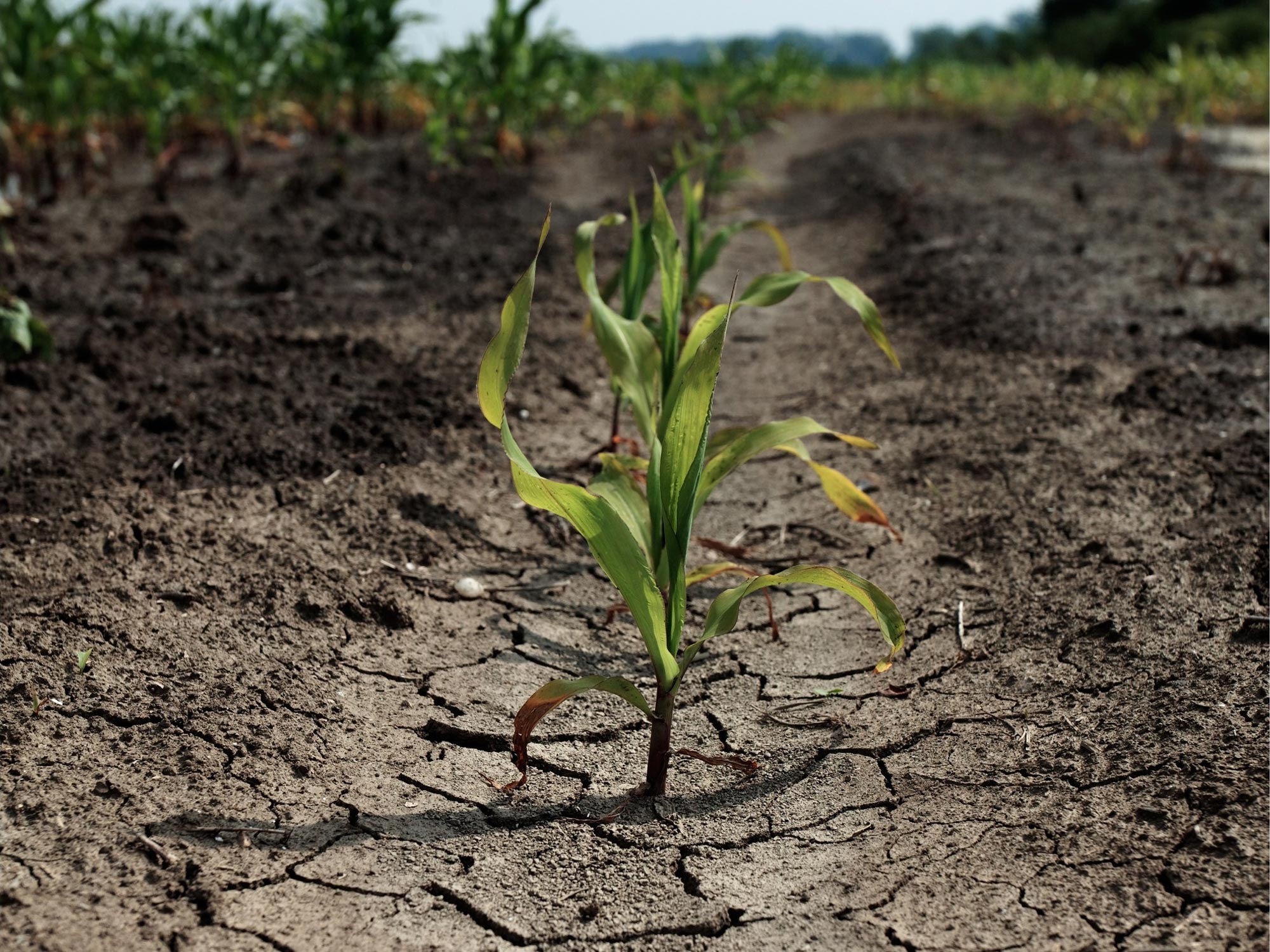
Rainfall, storm damage, floods and droughts are also expected to be significantly nimpacted by climate change. Spring rainfall in Illinois will likely increase by up to 10 percent in central Illinois and by 10 to 20 percent in northern Illinois. An increase in spring rainfall will add to the number and severity of annual floods. In the summers, droughts will become more likely.
Source - http://wuis.org/