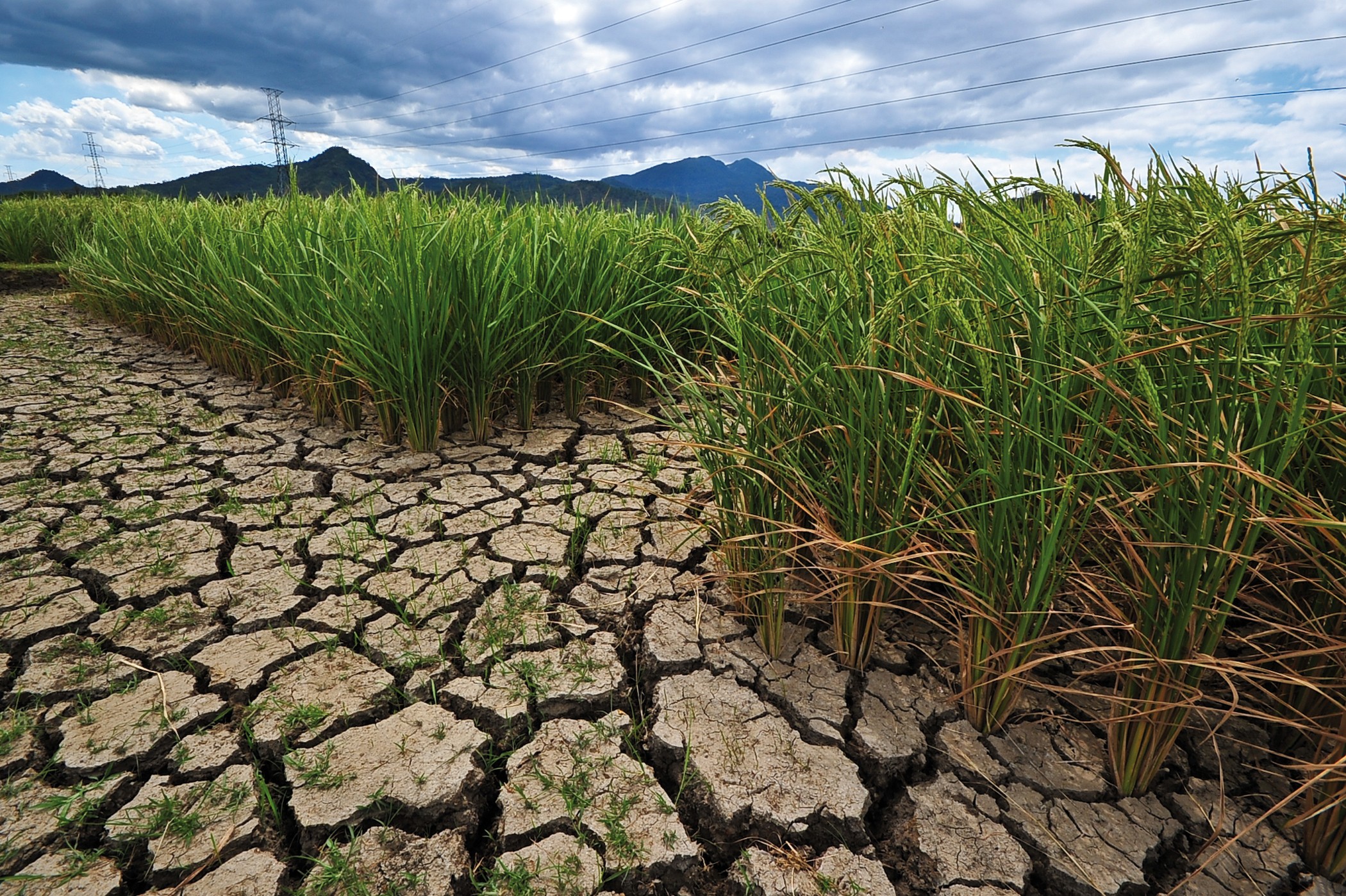
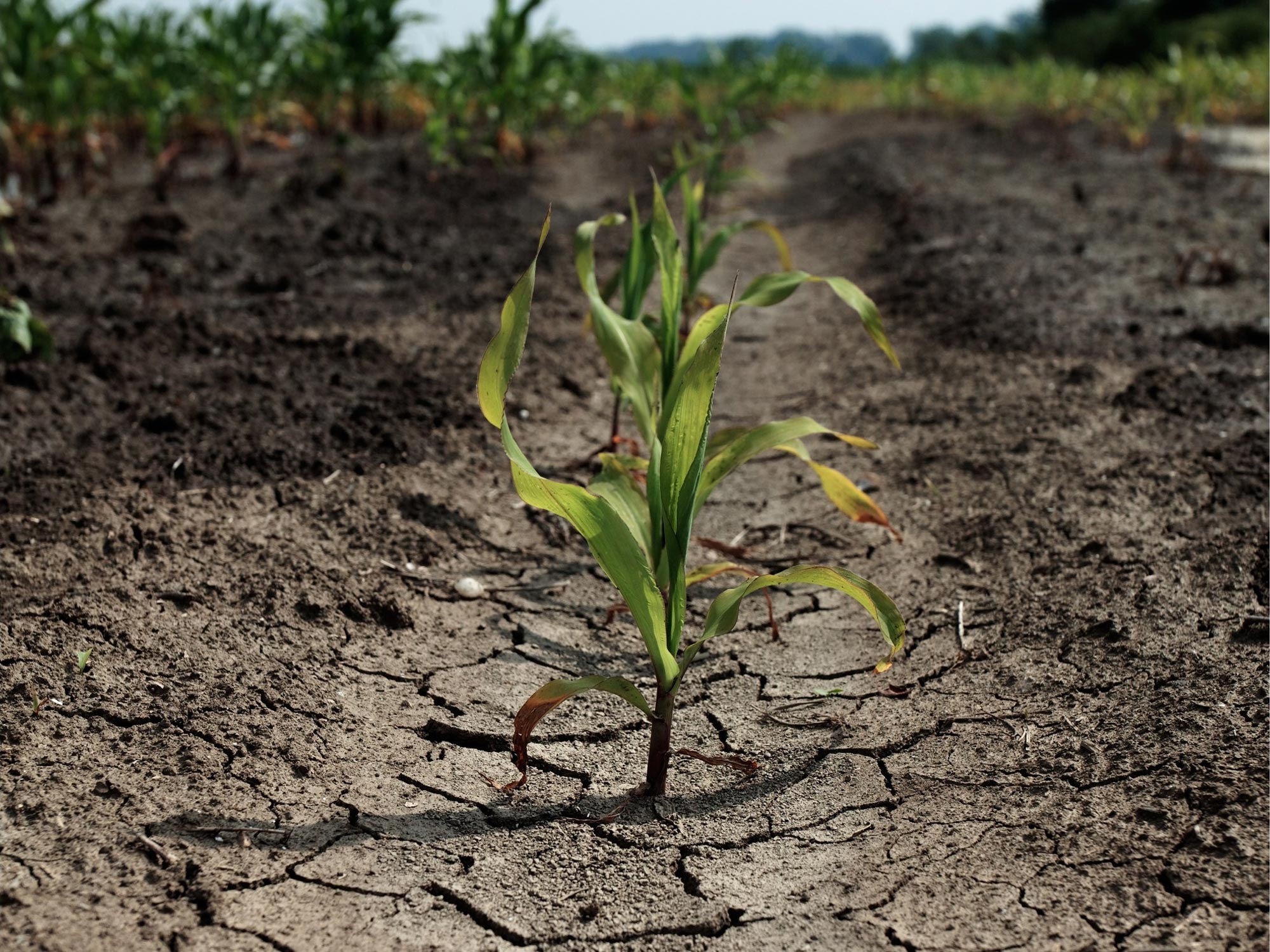
The window for planting soybeans in Missouri is from April 20-July 15. In those 87 days this year, Audrain County received more than 30 inches of rain, more than twice the average. Local soybean farmers waited patiently for the rain to stop and the mud to dry up so they could get in their fields and start planting. But by mid-July, the waiting game was over, and many of the farmers had lost. Across Audrain County, above-average precipitation this year led to all kinds of woes for farmers, from moisture-loving toxins invading last year’s wheat crop, to uneven corn growth due to standing water, to more than 25,000 acres of unplanted soybean fields. Daryl Huchteman, executive director for the local office of the U.S. Department of Agriculture, said the loss in yields doesn’t just affect farmers. “It affects local dealers, because people aren’t buying things like fuel and fertilizer if they can’t even get in their fields to work,” he said. “And the farmers can’t go into town and buy a new car if they didn’t make a profit this year. Really, the whole county is rooted in agriculture.” And the damage from the rains hasn’t even been fully tallied yet: Huchteman said he expects the total number of unplanted acres to double by the end of the season. He said there is a chance some soybean crops planted late in July might thrive, but they will be more at risk for frost in the later part of the season. Farmers who purchased treated soybean seeds, which must be planted immediately, will not be able to sell them back to the dealer or recover the cost of the seeds with insurance. “A lot of people depend on insurance, but insurance does not fully cover the loss,” Huchteman said. Soybeans were not the only crop to suffer from the extreme rainfall this year. Huchteman said the downpours washed away pesticides in many fields, leaving the crops vulnerable to insects. The rains also brought a 50 percent reduction in yields for pasture crops such as alfalfa. Standing water from flooding caused corn crops to grow unevenly, making the corn difficult to harvest. Bob Boyce normally grows soybeans and corn on his farm in nearby Benton City, but this year, there was only corn to tend to. “A lot of farmers didn’t get their crops planted this year,” he said. “It’s frustrating because last year was one of the best crops, and this year was the worst.” He also said the poor returns for this year have a snowball effect on the following year, as farmers are working on more limited means when it comes to buying supplies and equipment for the next year.
While the loss is hard to swallow for even a seasoned farmer like Boyce, he said it can be devastating for young farmers. “It’s hard on the ones who are just starting out. You’re not going to see established farms getting sold at the courthouse, but you might see some older men retire.”
Source - http://www.mexicoledger.com/