The Ministry of Agricultural Development on Monday informed the Parliamentary Agriculture and Water Resource Committee that the country may lose an estimated Rs25 billion from paddy crop this year if eight Tarai districts in the eastern and central regions continue to suffer from poor rainfall for two more weeks.
The eight districts—Saptari, Siraha, Dhanusha, Mahottari, Sarlahi, Rautahat, Bara and Parsa—have been hit hard by late and insufficient rainfall this year, with average paddy transplantation of just 40 percent of the combined 326,501 hectares of land.
Poor plantation in these districts has pulled down the national average plantation to 73.7 percent as of August 7. Paddy is cultivated on 1.42 million hectares. Normally, the Tarai districts have a spill-over period until mid-August. In some cases, paddy can be planted till early September.
In the same period last year, transplantation in these Tarai districts were completed on 53 percent of the fields. The transplantation rate was at 95 percent as of August 7 in 2013-14.
“If the water shortage problem persists, the country could lose paddy worth Rs 25 billion this year,” Yogendra Karki, joint-secretary at the Agriculture Ministry told the lawmakers on Monday. “Losses in the eight rain-deficit districts could hover around Rs12 billion if the rain situation does not improve.”
The country had produced paddy worth Rs100 billion in fiscal year 2014-15. Paddy output dropped 5.1 percent to 4.78 million tonnes last year due to late monsoon and untimely rainfall. The ministry had estimated a loss of Rs5 billion last year.
As the situation is likely to aggravate this year too and could result food insecurity, the Parliamentary committee on Monday directed the Ministry of Irrigation to study the feasibility of solar-powered shallow tube well facilities in the Tarai districts that have been suffering water deficit during the key paddy plantation season for a long time.
The committee has directed the Irrigation Ministry to coordinate with the Ministry of Agricultural Development and the Alternative Energy Promotion Centre to conduct the feasibility of the solar-powered irrigation system in Nepal.
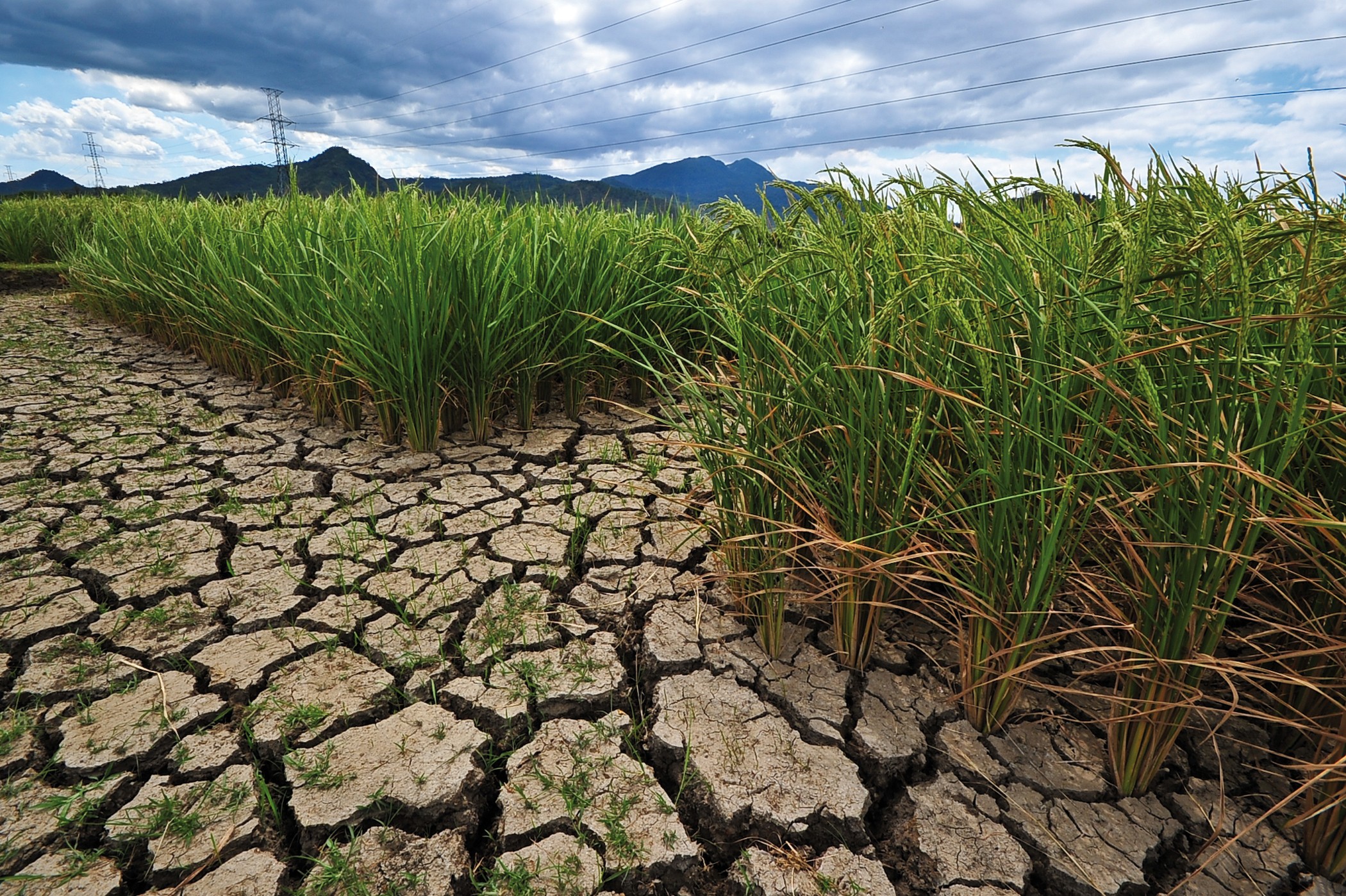
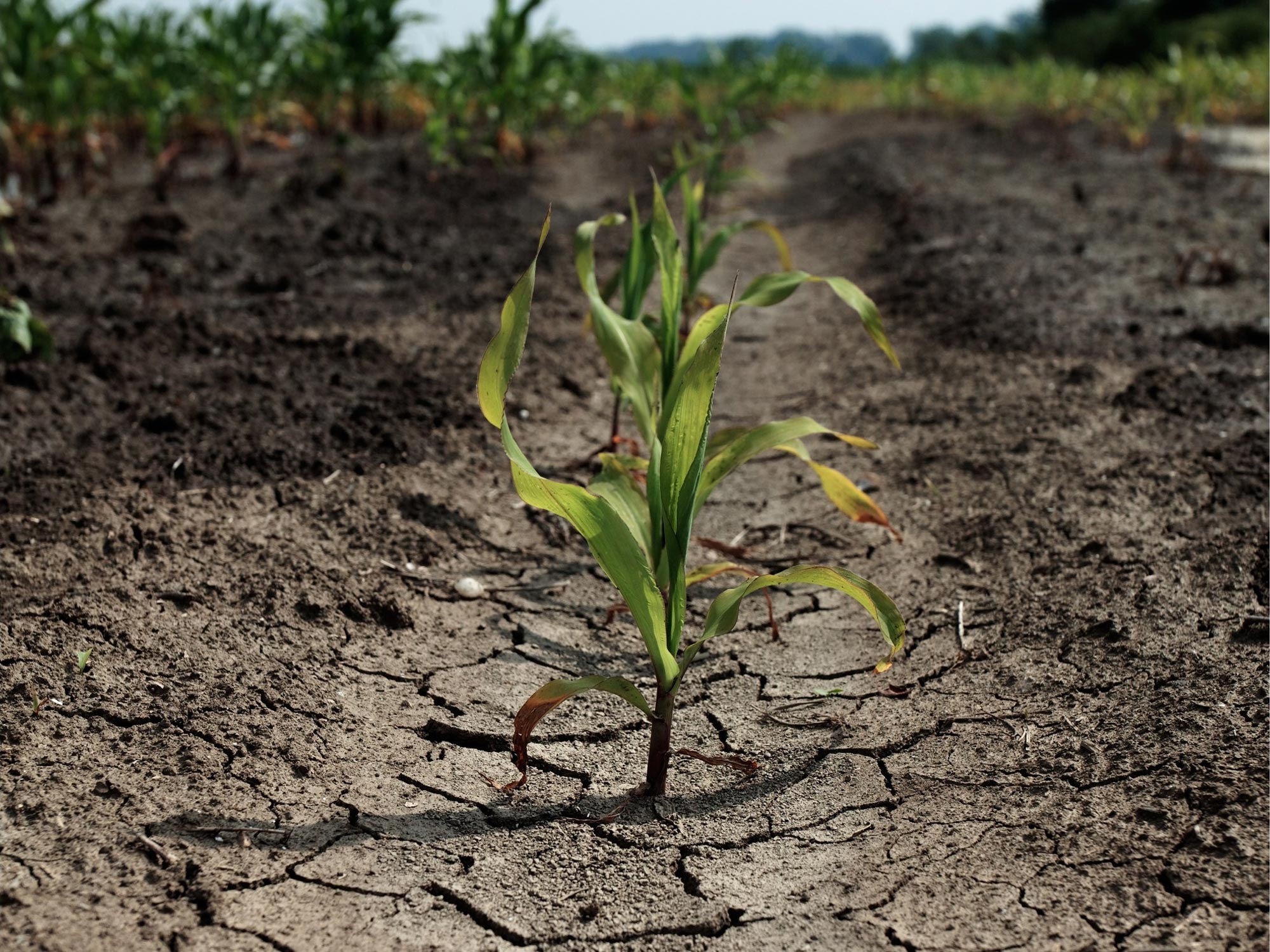
Water shortage is a persistent problem in these districts. Droughts are expected to strike there, triggering fears of a famine. Agro experts said drought and soaring temperatures have left farmlands in the districts with extensive cracks and even the transplanted paddy seedlings have turned yellow.
According to Karki, the ministry has requested the Finance Ministry to allocate an additional budget for the programme to install additional shallow tube well in the affected districts. The ministry has also decided to expedite its “system of rice intensification” and “direct seedling rice” system in the affected districts.
Agro experts said the economic outlook for the next year is bleaker amid weak monsoon forecasts. Agriculture, the major contributor to Nepal’s economy, is mainly rain-fed. In 2011-12, paddy production rose an impressive 13.7 percent, and as a result, the farm sector’s growth rate swelled to 4.63 percent.
However, in 2012-13, paddy output dropped 11.3 percent and the economic growth rate slumped to a six-year low of 3.5 percent. Nepal’s economy inched up just 3 percent in the last fiscal year due to the April 25 earthquake and a drop in paddy production.
Source - http://www.ekantipur.com