Warm and dry weather over most of North Dakota caused the small grain harvest to advance at a rapid pace, according to USDA’s National Ag Statistics Service’s weekly crop condition report that was prepared for the week ending Aug. 9, 2015.
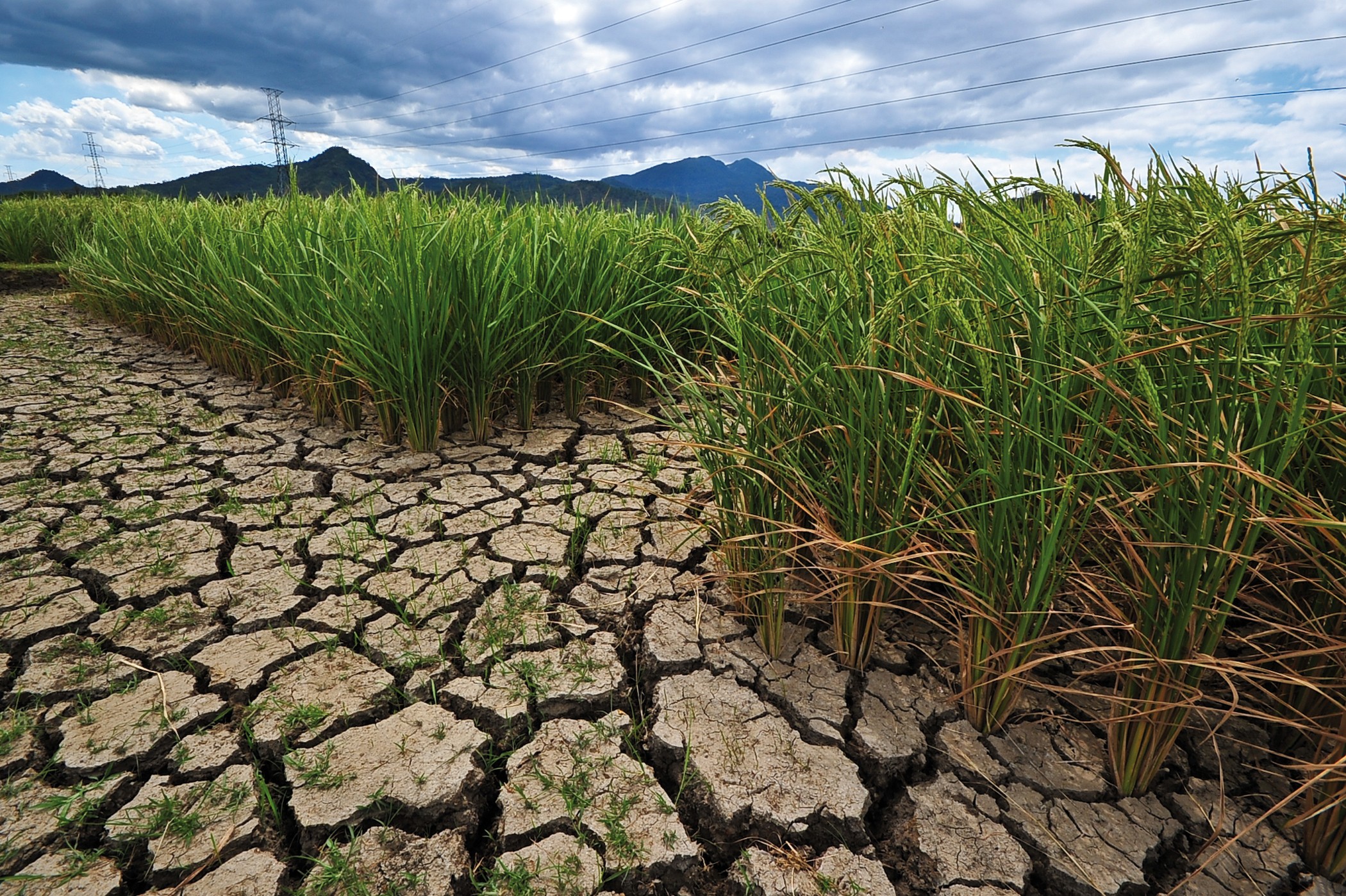
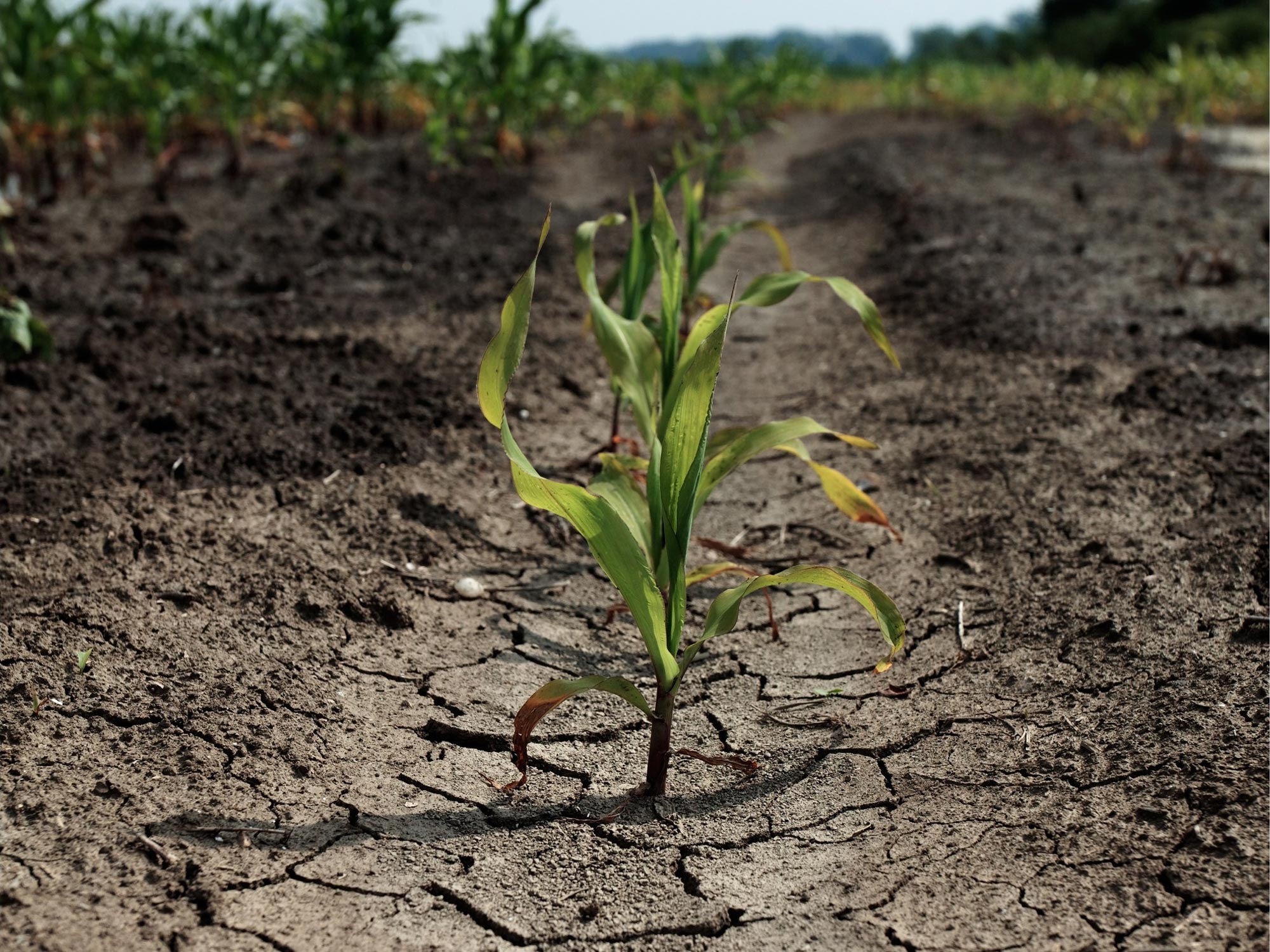
The downside of the current weather pattern is the fact that the later season row crops are starting to show some signs of moisture stress, and no significant rainfall was forecast for the week ending Aug. 16.
The service said, on the average, 6.1 days were suitable for fieldwork and the moisture shortages are starting to show up in the soil moisture reports. As of Aug 9, topsoil moisture supplies in the state were rated at 2 percent very short, 23 percent short, 67 percent adequate and 8 percent surplus. Subsoil moisture levels were said to be 1 percent very short, 18 percent short, 75 percent adequate and 6 percent surplus.
Crop conditions
Harvesting of the winter wheat crop was 24 percent finished as of Aug. 9, which is well above the 3 percent figure posted last year at this time. The condition of the winter wheat crop was listed as 1 percent very poor, 7 percent poor, 30 percent fair, 53 percent good and 9 percent excellent. It was also noted that 19 percent of the lentil crop was harvested.
The pre-pile sugarbeet campaign will likely start in the latter part of August, and the condition of the crop at this time is rated at 79 percent good to excellent.
(A table listing the latest growth stage and condition of the crop for the major commodities grown in the state is attached as part of this article.)
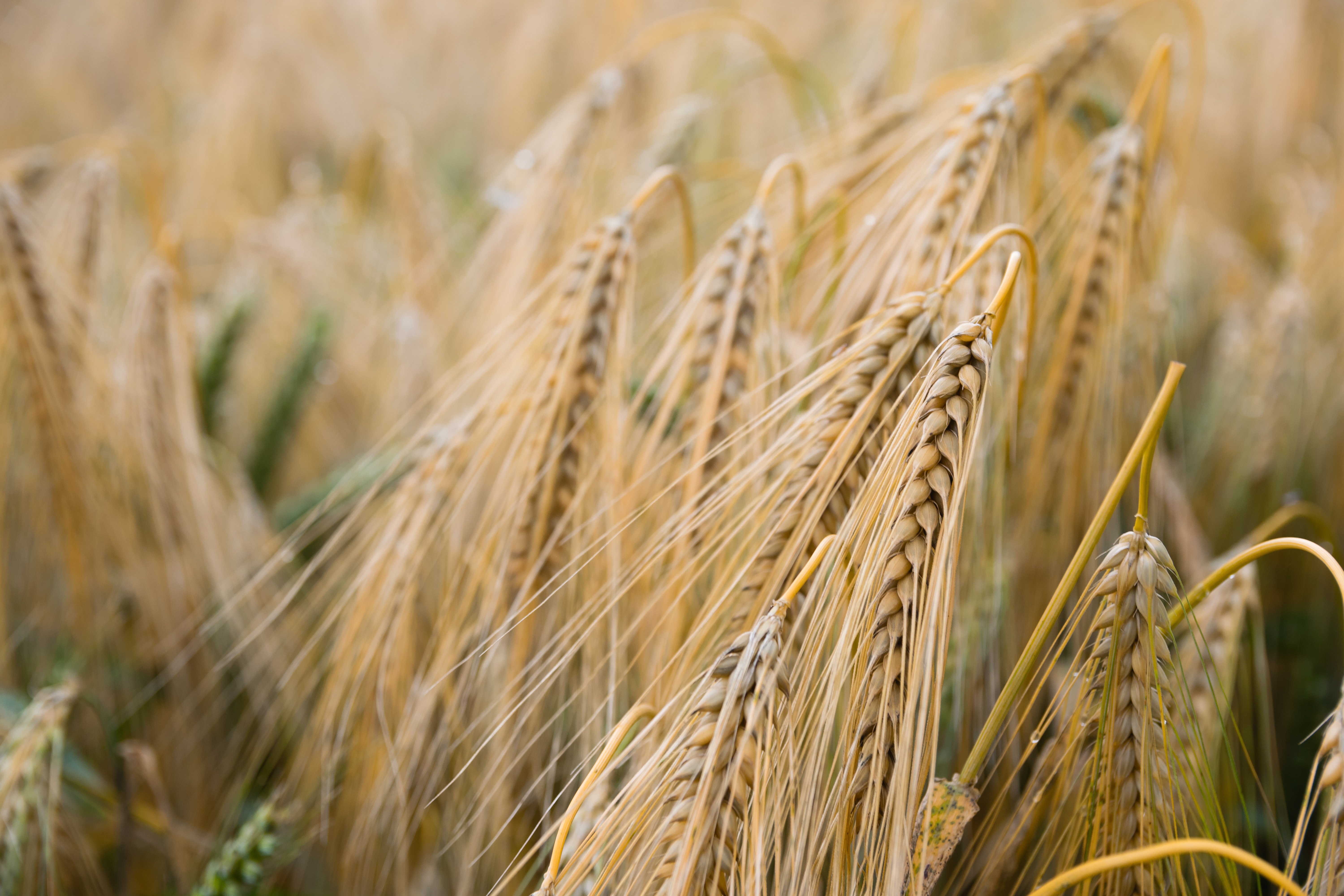
The small grain harvest in Ramsey County is well underway, according to Bill Hodous, county Extension agent. He estimates about half to three-quarters of the barley harvest was complete as of Aug. 10, and the wheat harvest was just beginning.
Some of the barley crop did receive some wind damage a few weeks ago when high winds moved through the area and he noted the six-row varieties seemed to suffer more damage than the two-row varieties.
“The quality of the barley crop has been all over the board,” Hodous said. “It seems like those who used a fungicide are finding quite a bit less vomitoxin, however that doesn’t necessarily hold true. Yields have been average to above average.”
The few harvest reports obtain from wheat growers thus far were indicating yields in the average to above average range with some proteins coming in around average, while some are reporting high protein levels and others a little less than average.
The growing conditions started on the wet side until about mid-July, but since then moisture has been pretty scarce. The small grains have basically been made, but Hodous said soil moisture is starting to become a very critical factor for the pinto and soybean crops in the area.
“Our bean crops up here are really showing the effects of needing some water,” he said. “If we don’t get some soon we are definitely going to need to make some adjustments on our yields for the pinto and soybean crops.
“The beans had been looking pretty decent and the corn crop still looks tremendous, but we are going to need a little water to get there warm season crops finished off and the way the temperatures sound for this week, that isn’t going to help matters at all.”
Central/western North Dakota
Harvest is in “full force” across most of the state, but as small grains come off the fields, later season crops are in need of some more moisture.
“It’s similar to most places – it’s hot and dry and guys are going full bore,” said Erik Eriksmoen, research agronomist at the North Central Research Extension Center in Minot, during his Aug. 12 report.
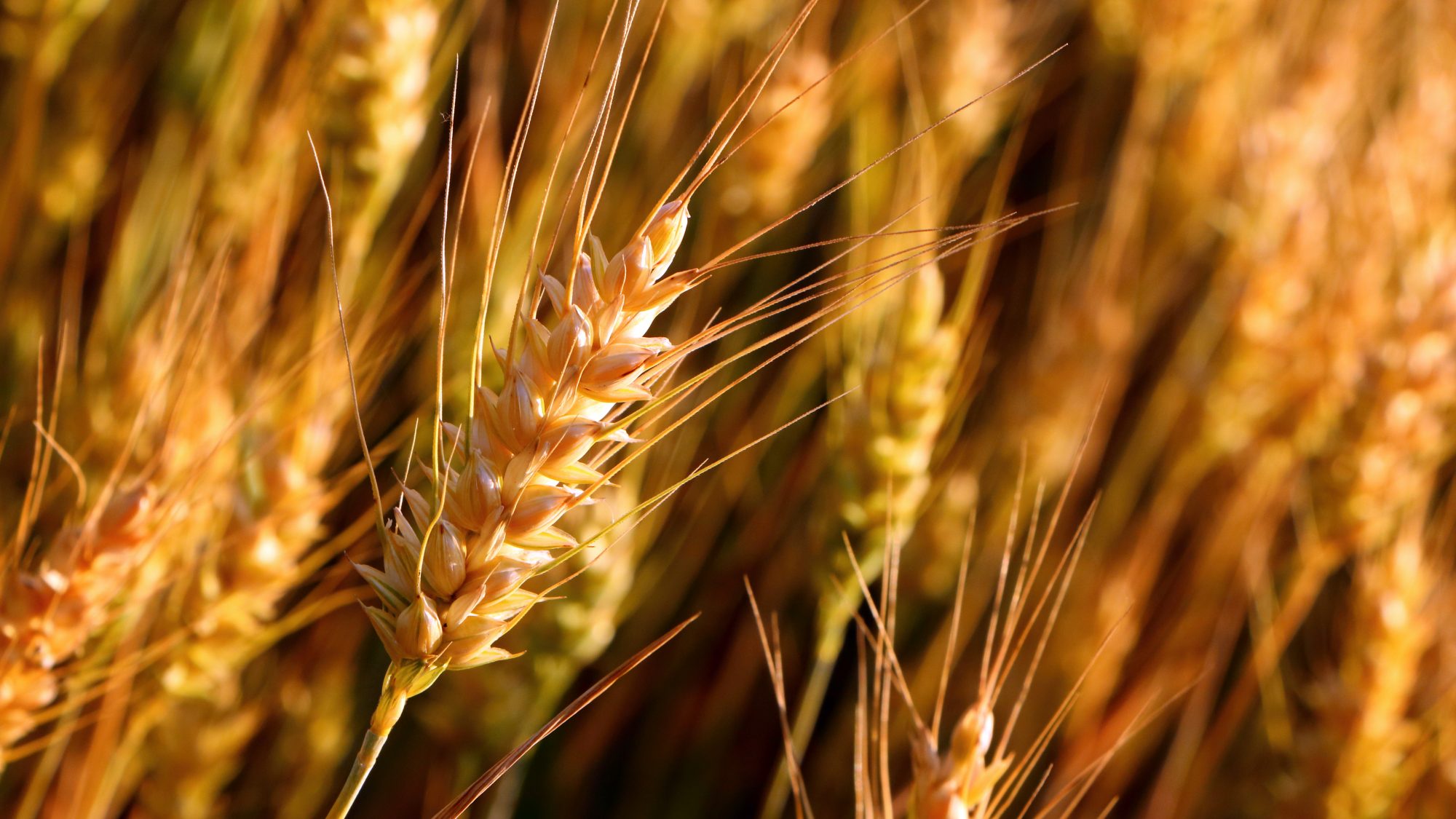
Eriksmoen said a good portion of the peas and barley are done and coming off the field, while spring wheat and durum will follow the week after.
Later season crops like corn and soybeans are in desperate need of some moisture, according to Eriksmoen.
“Soybeans look nice at this point, but they could really use a drink of water,” he said. “Corn looks nice as well. I’m guessing by the end of the week we will need a good shot of rain for those crops.”
As for small grain quality, Eriksmoen said it looks like spring wheat and durum are seeing a fair amount of scab.
“It could very well be an issue again this year,” he said. “There are also some aphids. I see a few now and then, but not that high of numbers. It’s something for guys to keep an eye on.”
There are also some aphids present down in the south-central region of the state.
“The soybeans are still looking good, but I’ve heard there are a few aphids in the area so guys should go out and scout for those,” said Crystal Schaunaman, McIntosh County Extension agent.
Schaunaman said farmers are getting all their winter wheat and barley off their fields and a lot of the oats have been baled up already.
“Corn is looking good, flowers are starting to bloom and some canola fields are starting to dry down already, so everything is looking good.”
Harvest is going strong in the Williston area as well.
“Harvest is in full force,” said Jerry Bergman, NDSU Williston REC director. “I think every farmer is thrashing now and getting the spring wheat, barley, lentils, peas – the whole gamut.”
Grain yields in the area have been dependent on how much rainfall was received by each farmer, as moisture was variable throughout the region during the growing season.
“The grain yields are yielding average to very good depending on who got the timely rains and who didn’t,” said Bergman.
While harvest is moving rapidly throughout the state, the southwest portion of the state is off to a little slower start.
“We started last week pretty hard and then we got some rain which slowed it down, but they’re back at it now,” said Andrea Bowman, Bowman County Extension agent.
Wheat harvest in the area is going to be delayed compared to the majority of the state due to the crop staying a little green in spots.
“The wheat is a little green yet,” said Bowman. “It looks ripe until you get out into the fields and see some green out there yet. It will still be a little while till that’s in full swing.”
Livestock conditions
The NASS report indicates the second cutting of alfalfa is now about 75 percent harvested, well ahead of last year’s 40 percent pace at this time and the five-year average (2010-2014) of 55 percent. The alfalfa crop is listed as 2 percent very poor, 9 percent poor, 32 percent fair, 48 percent good and 9 percent excellent.
Pasture and rangeland conditions in the state were said to be 1 percent very poor, 4 percent poor, 30 percent fair, 56 percent good and 9 percent excellent. Stock water supplies were rated at 1 percent very short, 9 percent short, 82 percent adequate and 8 percent surplus.
For the most part, grazing conditions in Ramsey County have been quite favorable this summer and, despite the lack of recent rains, have been holding up pretty well, Hodous noted. However, this year’s hay crop is going to be 30 to 40 less than what they normally harvest.
“Finding enough hay may be a little more difficult this year, but the quality of what is harvested will be really good,” Hodous said. “The coolness we experienced early this spring and the fact that the rain dried up in the middle of this summer lowered our hay yields.”
He noted that with more producers using cell grazing during the summer months, that practice has actually raised production levels on rangeland.
Source - http://www.farmandranchguide.com