Heat laid a heavy hand on Wisconsin last week.
"It's starting to get pretty dry around here," the Ozaukee County reporter observed in the "Wisconsin Crop Progress & Condition Report" for the week ending Aug. 16.
Temperatures climbed into the 90s for much of the state with muggy conditions and scattered precipitation that managed to, once again, miss the seriously dry southwestern section. Temperatures topped out at 95 degrees in La Crosse, 93 in Milwaukee, 92 in Madison and 90 in Eau Claire and Green Bay.
Storms bounced along the Lake Michigan shoreline and the northern portion of the states on various days during the week that offered 6.1 days suitable for fieldwork.
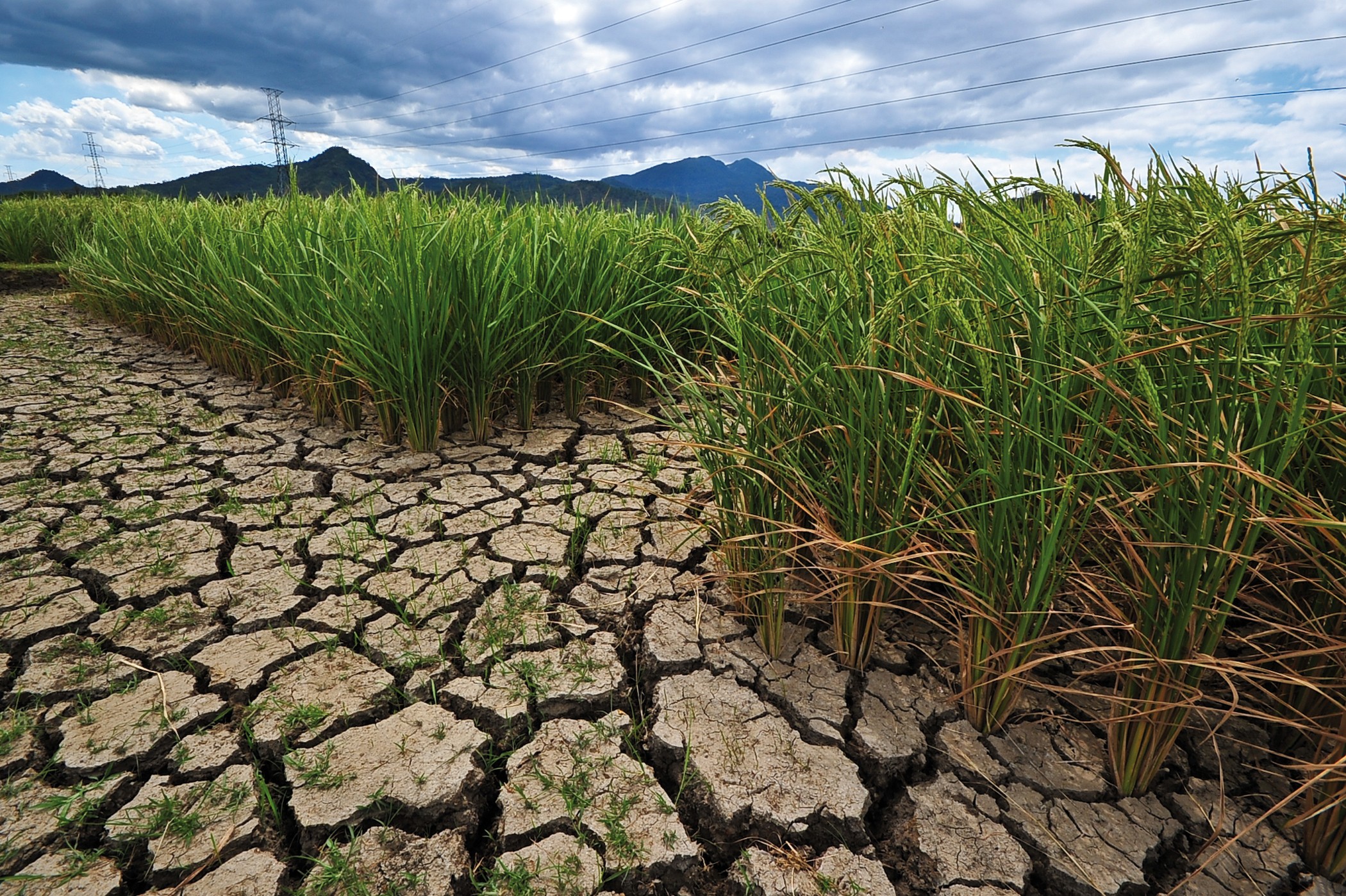
On August 17, topsoil moistures were pegged at 41 percent short to very short statewide, compared to 32 percent the previous week. Subsoil moistures fell from 28 percent short to very short to 36 percent short to very short.
A breakdown showed 64 percent of topsoil in the southeastern district was short to very short on moisture, while the south central district was marked at 63 percent, the southwest district at 62 percent and the east central district at 56 percent short to very short.
The north central and northwest districts were on the opposite end of the scale, with 4 percent and 8 percent of topsoil short to very short on moisture, respectively.
"Once again, we need rain badly," the Juneau County reporter said. Crops appear to be holding on, he noted, but a lot of soybeans were aborting their pods last week because of the dry, hot weather.
It was "very, very dry" in Richland County and getting very dry in Dane County. "The ground where the lawn is bare is showing cracks. We need rain," that reporter said, while limited rain since the Fourth of July was starting to stress all of Rock County's crops.
Kewaunee County called the week the warmest and most humid so far this summer. "Not much rain fell in this area. There were a few times the sky look threatening, but in the and , only a few drops of rain came down," the reporter commented.
The stretch of clear skies allowed farmers to speed through their harvests of small grains, potatoes and hay.
The oat fields were busy, with growers pulling off another 21 percent of the crop to push the harvest total to 76 percent, 18 days ahead of last year and five days ahead of the five-year average.
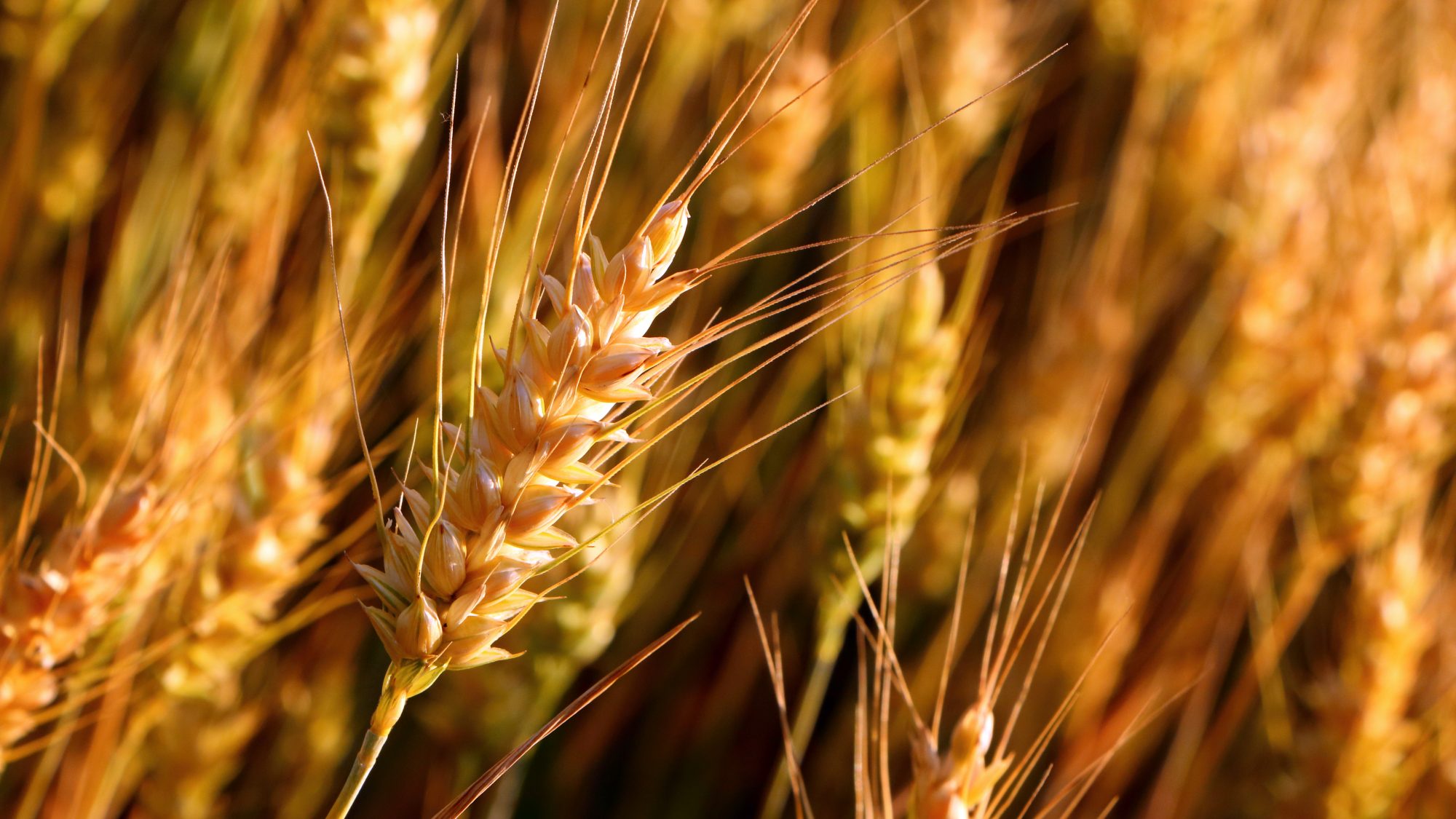
The harvest of winter wheat zipped from 85 percent to 93 percent during the week, putting this season a good seven days ahead of last year.
Yields of oats and winter wheat in Kewaunee County have been fairly good, with yields for some varieties as high as 100 bushels per acre. However, that's mainly for oats that were standing well.
"There have been more than a few fields that were nearly completely lodged, which made picking up the crop a slow job and some of the crop was undoubtedly left in the fields," the reporter added. "The same fields are also seeing weed pressure come into play. Harvesting this crop is taking on some urgency."
The winter wheat harvest is pretty much wrapped up in the area, with yields ranging from 60 to about 80 bushels per acre. There hasn't been as much of it this year, the reporter noted, since a lot more oats were planted in the area to make up for the winter wheat that didn't get planted last fall.
"Unfortunately, neither the oats nor the straw are worth too much at the present time since there is so much of it this year," he observed. 2015 has been a timely year for potatoes. Compared to last year on August 16, when the potato harvest had yet to begin, this year farmers had lifted 30 percent of the state's crop. the condition of the crop declined slightly from the previous week's mark of 93 percent good to excellent to end the week at 91 percent.
The muggy conditions that prevailed during the second full week of August meant hay and straw dried more slowly than usual. However, farmers had taken 78 percent of the third cutting of alfalfa by week's end, keeping this haying season on pace as the second fastest in more than 35 years.
In Bayfield County, where many dairy farmers were in the process of chopping third crop silage, beef operators still had some first crop hay to do.
In Shawano County, the hot but humid weather continued to make some difficulty in harvesting wheat and oats. However, yields were pretty good with most of the oats going well over 100 bushels per acre.
"Getting the straw dry and off the field was another issue," that reporter added. "Alfalfa cut for haylage went well, but alfalfa for dry hay was somewhat of a disaster and just would not get dry."
La Crosse County farmers felt the week was extremely warm, but good for working their fields. Beans seem to be holding their own, the reporter noted, but the corn is stressed on rocky and lighter soils, and hay growth has slowed due to the heat.
Statewide, the condition of hay fields fell 5 percentage points during the week to 76 percent in good to excellent condition, while pastures declined 4 percentage points to 59 percent in good to excellent condition.
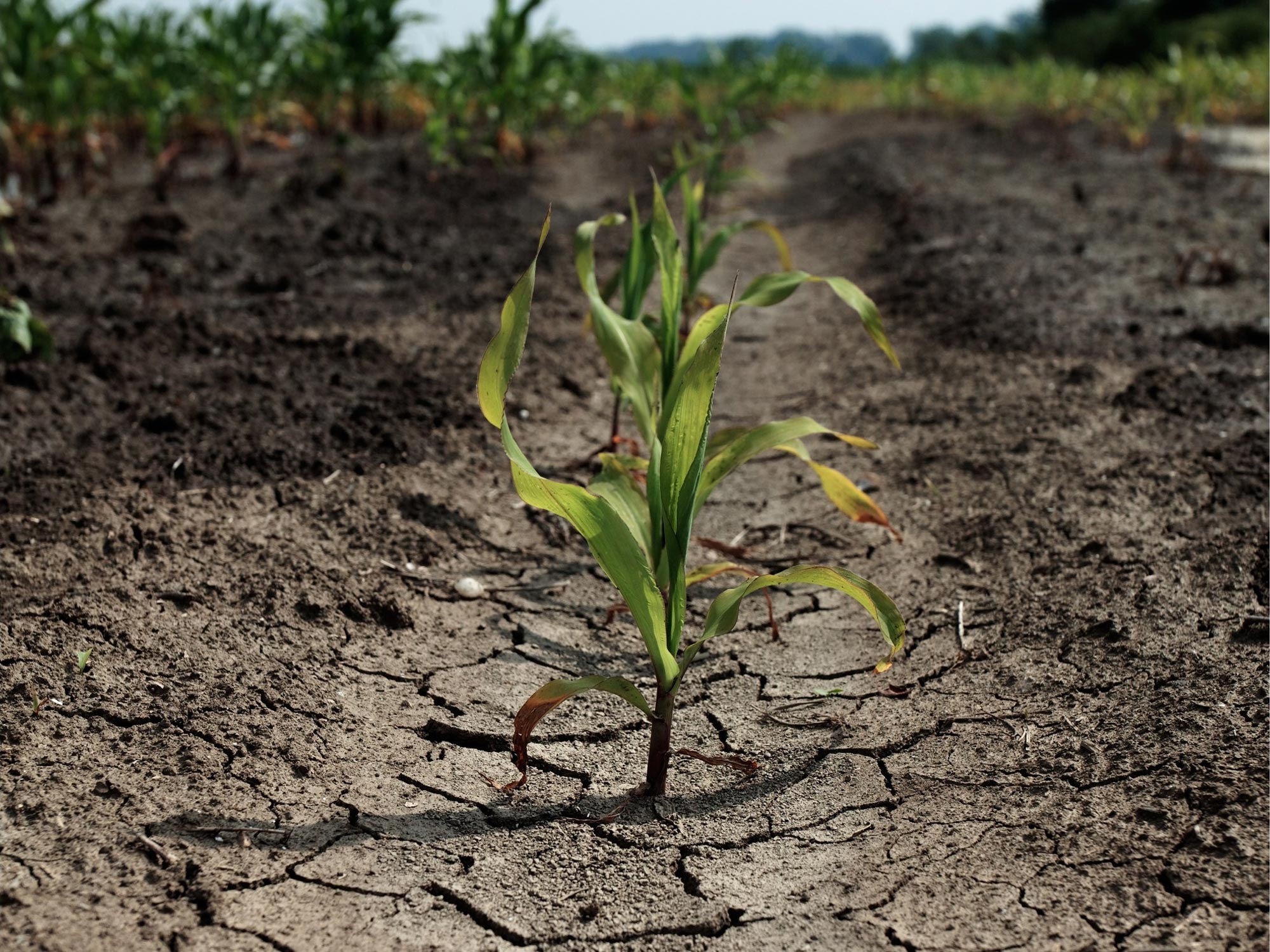
The heat pushed corn and soybeans toward maturity, although crops in many areas were reportedly showing signs of stress due the lack of soil moisture.
"Crops are moving forward to maturity at a fast pace with sun, heat and plenty of moisture. We will need rain within a week if the heat continues," the Chippewa County reporter said.
The state's corn continued to mature ahead of schedule, although it didn't look quite as good. As of August 16, 52 percent of Wisconsin's corn crop was in or beyond the dough stage, eight days ahead of last year and four days ahead of the five-year average. The condition of the crop declined from 79 percent in good and excellent to end the week at 76 percent.
The soybean crop also maintained its lead with 83 percent of the crop setting pods, four days ahead of last year and the five-year average. The report rated the crops condition at 76 percent good to excellent, four percentage points lower than the previous week.
Kewaunee County reported its corn and soybeans are looking good. "The rain and heat over the past few weeks have really boosted the growth of these two crops," the reporter said. "If current conditions continue, some impressive field should be seen this fall."
The weekly "Wisconsin Crop Progress & Condition Report" is a cooperative effort of the U.S. Department of Agriculture; the Wisconsin Department of Agriculture, Trade and Consumer Protection; and the National Weather Service.
Source - http://www.wisfarmer.com