An excessive amount of rainfall in the state this summer has negatively affected farms of all sizes. The large amount of showers in June has left fields flooded and crops fruitless.
According to the National Weather Service, this summer has had the wettest June on record and the second wettest month ever recorded for the state. The average rainfall for June during a normal year is about 4.20 inches; this June received 9.53 inches of rainfall.
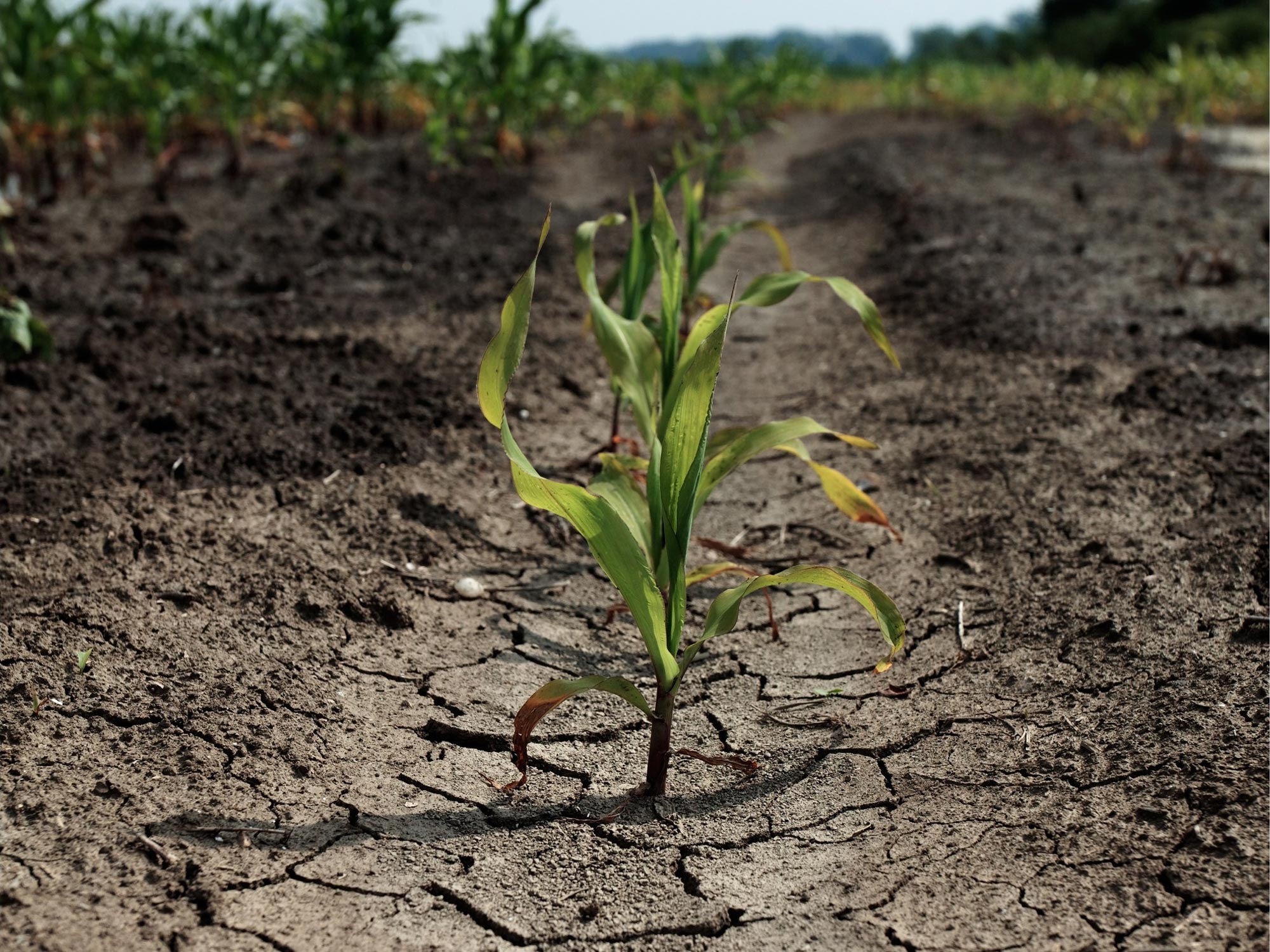
“Excess rainfall has drowned out many low spots in fields and also has depleted some of the nitrogen which is essential for corn growth,” said Justin Griffin, an Ag-Land FS, INC plant manager, “Too much rain can also make the plants more susceptible to diseases which can significantly lower yields.”
For significant losses the USDA has offered low-interest Farm Service Agency loans to cover their losses caused by the heavy rains. All but one county has been included in this disaster fund. Farmers have eight months to apply for these loans.
For large farms there is aid to help compensate for their losses, but for some small local farms they only have each other.
A local co-op called Legacy of the Land that helps family farms remain sustainable and profitable while focusing on small specialty crops and distributing their organic produce locally has had some set backs.
Legacy of the Land has their own type of aid relief. With a variety of small crops being produced by many different farms in different locations, the loss of one farm’s crop is not as overwhelming. Thanks to the variety of farms and location, if one farm’s crop fails another farm can come in and fill that space.
Jane Mahalick-Wilson owns a small local farm that is maintained by her and her husband Scott, which they have partnered with Legacy of the Land.
“I had set three different pick dates for my tomatoes with an estimated yield of seventy pounds for each date but they all died,” said Mahalick-Wilson. “Other people in the group will be able to cover my loss and I’ll just cover someone else’s.”
The complete failure of crops is not the only thing the rain has caused. Some root vegetables, such as beets, had stunted growth while other roots grew but then rotted in the ground.
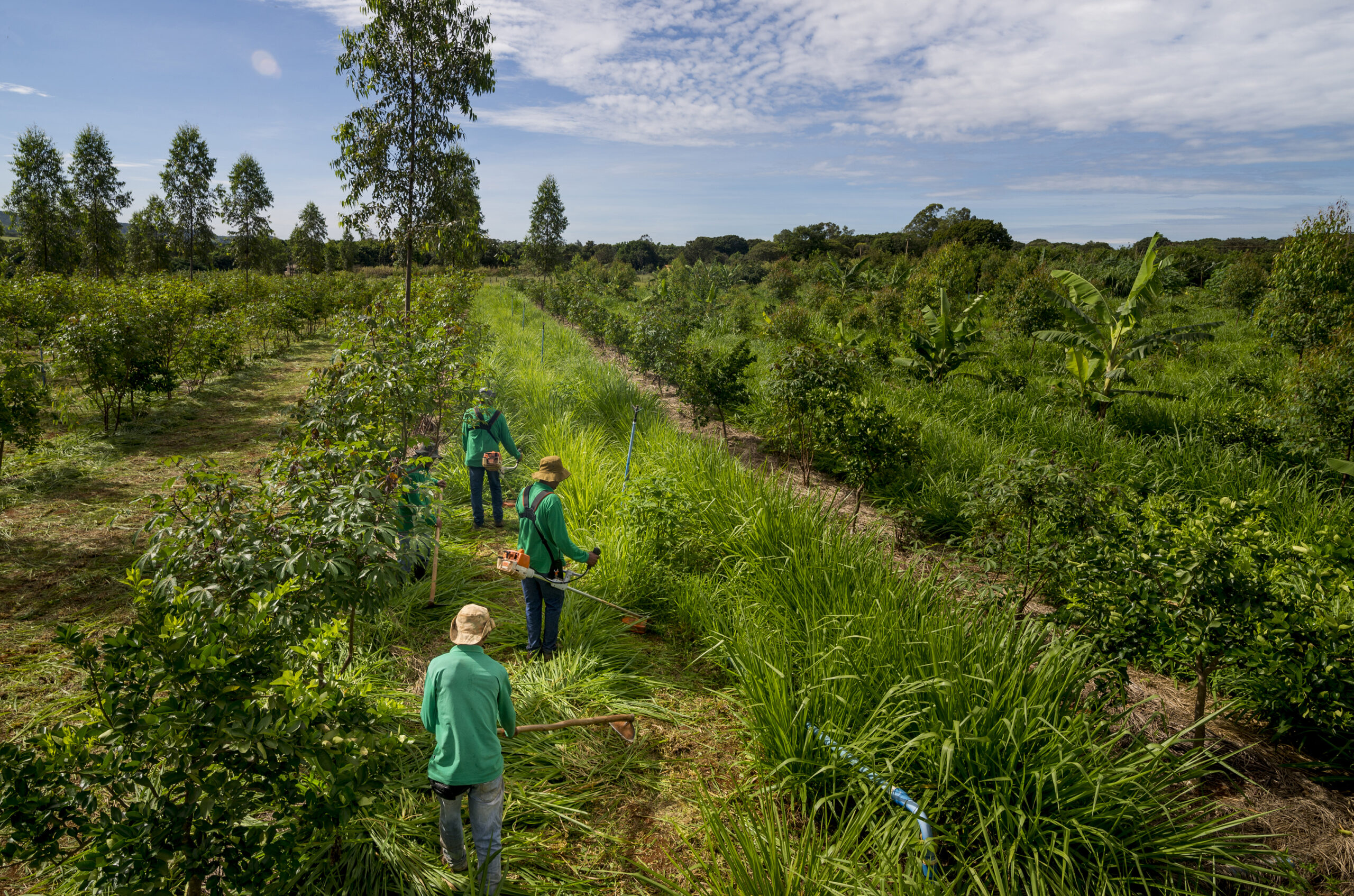
Due to the excessive rain, getting into the field to do regular maintenance was made impossible at times.
“The worst part is, with it being so wet I wasn’t able to get into the field to weed and in which case the weeds and the root systems took over,” said Mahalick-Wilson. “Now I have to work section by section to get my garden back again.”
Even with the losses caused by the large amount of rain there is help for all; between the aid offered by the USDA for larger farms and the aid offered to each other by small farmers. Farms of all sizes look as though they will be able to pull through and farm another year.
Source - http://www.videtteonline.com