A major pan-European study led by the European Alliance for Regenerative Agriculture (EARA) has found that regenerative farming systems, many of which are entirely plant-based, can produce similar or better yields than conventional agriculture while drastically reducing inputs such as synthetic fertilisers and pesticides.
“The future of agriculture in Europe is truly bright”
Spanning 78 farms across 14 countries and over 7,000 hectares, the study is described as the world’s largest farmer-led assessment of regenerative agriculture to date. Funded by EIT Food, the research introduced a new Regenerating Full Productivity (RFP) index to measure outcomes across ecological, climatic, and economic indicators.
On average, regenerative farms achieved just 1% lower caloric and protein yields compared to conventional farms, but used 62% less synthetic nitrogen fertiliser and 76% less pesticide per hectare. These farms also demonstrated a 27% higher RFP, with improvements in soil cover, plant diversity, photosynthetic activity, and summer cooling effects on fields.
Triple-digit yields without chemical inputs
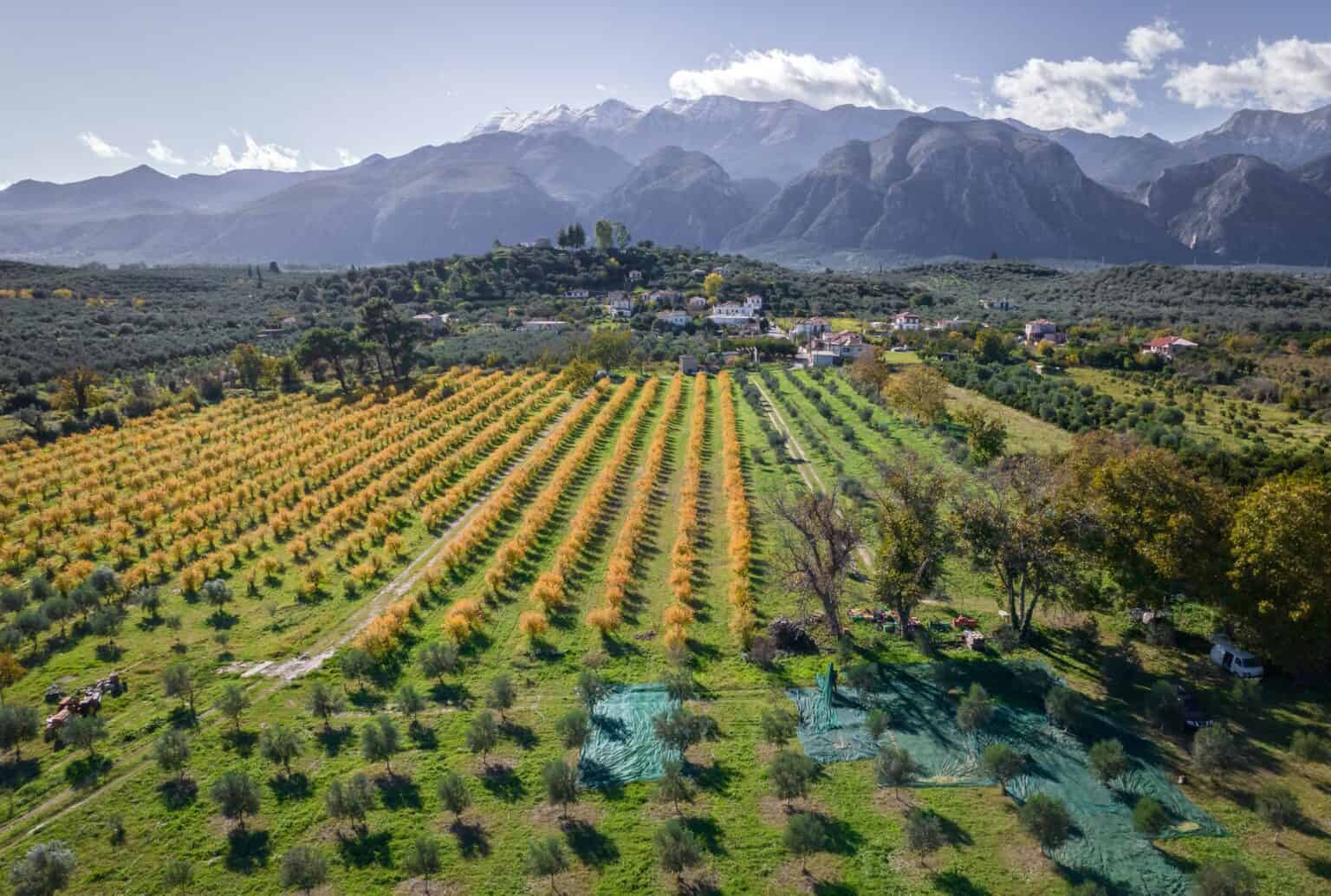
In Greece, EARA founding farmer Sheila Darmos reported, “The Southern Lights farm`s economic and ecological performance builds on the impact of 40 years of organic and 10 years of regenerative agroforestry practices, and thus clearly constitutes an economically and ecologically resilient pathway for farmers. With EARA, we are pioneering ways to help ever more farmers embark on similar journeys.”
Darmos produces olives, oranges, limes, and lemons with yields up to 280% higher than the regional average, achieved without fertilisers or pesticides and using 78% less fuel. Her methods rely on syntropic agroforestry, which enhances biodiversity and improves water retention, offering advantages for climate adaptation.
In contrast to conventional European systems, which import over 30% of livestock feed from outside the EU, the farms in the study achieved their yields without relying on imported feed or synthetic inputs. This demonstrates that plant-based, locally adapted systems can meet productivity and resilience demands.
Addressing current agriculture vulnerabilities
The study’s findings come as the European Commission forecasts agricultural losses of €60 billion by 2025, rising to over €90 billion by 2050 due to climate instability, input dependency, and systemic vulnerabilities. With Europe remaining a net importer of calories and proteins, the report positions regenerative crop-based systems as a path toward greater autonomy and sustainability.
EARA executive director Simon Krämer, lead author of the study, stated, “At last, we have the hard data from real farms that show that regeneration is not only working, but that it has a strong business case behind it. It is not only possible, but vital, to transition the European agri-food sector to regeneration as quickly as contexts allow, to ensure resilience in rural areas and food security alike.
“Thanks to the work of our pioneering farmers, the future of agriculture in Europe is truly bright, and we‘re here to offer a helping hand to our fellow farmers, to share our knowledge and experience to make the regenerative transition as smooth as possible.”
Source - https://vegconomist.com