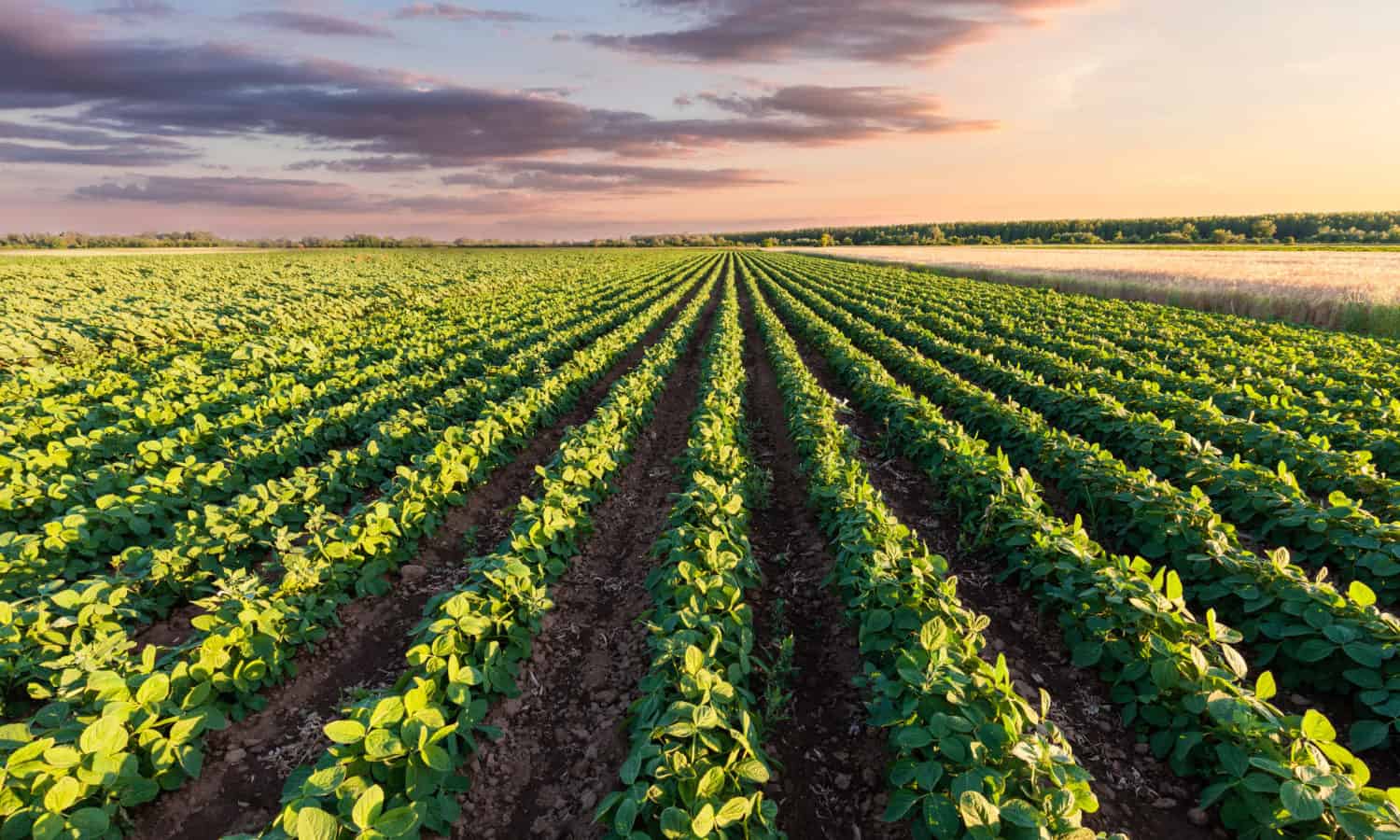
Mexico will participate in a new package of projects approved by the UN Food and Agriculture Organization (FAO) aimed at strengthening sustainable agriculture and climate resilience. Financed by the Global Environment Facility, the initiatives are designed to help countries improve agri-food system sustainability, enhance land management, and promote climate-resilient farming practices.
In Mexico, the focus will be on rural communities and areas facing environmental pressure, according to FAO. The projects emphasize the adoption of productive practices that improve soil management, restore degraded ecosystems and reduce the environmental footprint of agricultural activity. They are also expected to generate scalable models that can be replicated in other regions of the country. FAO said the approach aligns with international goals on biodiversity conservation and climate mitigation.
Mexico will participate alongside countries including India, Bangladesh, Senegal, Tanzania, the Democratic Republic of the Congo and Ukraine. The projects fall under the FAO-GEF cooperation framework, which has been in place since 2006 and focuses on integrating environmental objectives into agricultural development.
Globally, the approved initiatives are expected to improve the management of about 1.2 million hectares of agricultural land and restore more than 314,000 hectares of degraded landscapes. FAO estimates the projects could help mitigate up to 84.5 million metric tons of greenhouse gas emissions through the use of agroforestry systems, sustainable soil management and climate-smart livestock practices.
The program is projected to reach more than 1 million people worldwide and is supported by an international investment of nearly US$60 million.
FAO said the overall goal is to help countries transition toward more sustainable agri-food systems while strengthening rural productive capacity and improving resilience to climate impacts. The program also seeks to reduce pressure on natural resources by promoting land-use practices that balance productivity with environmental protection.
Mexico’s participation in the program represents the latest in a series of FAO collaborations focused on developing a more sustainable agricultural sector. In October, the country reaffirmed its commitment to sustainable and inclusive agriculture by declaring amaranth as a national priority crop. The declaration fell within the scope of the FAO’s One Country, One Priority Product (OCOP), for its nutritional, cultural, and environmental value. Launched by FAO in 2021, the OCOP initiative encourages each country to identify an agricultural product with comparative advantages and develop it sustainably by integrating the entire value chain, from production to consumption.
Rubén Irvin Rojas, General Coordinator for Information, Intelligence and Evaluation, SADER, highlighted that amaranth was selected as Mexico’s national priority product due to its nutritional, cultural, and environmental value, as well as its potential to contribute to food sovereignty, the agroecological transition, and rural well-being.
“With FAO’s support, we are advancing toward stronger cooperation capable of translating science into policy and policy into well-being for rural communities. Amaranth, small in size but great in meaning, symbolizes the connection between our roots and a shared future of resilience, well-being, and solidarity,” Rojas emphasized.
Source - https://mexicobusiness.news