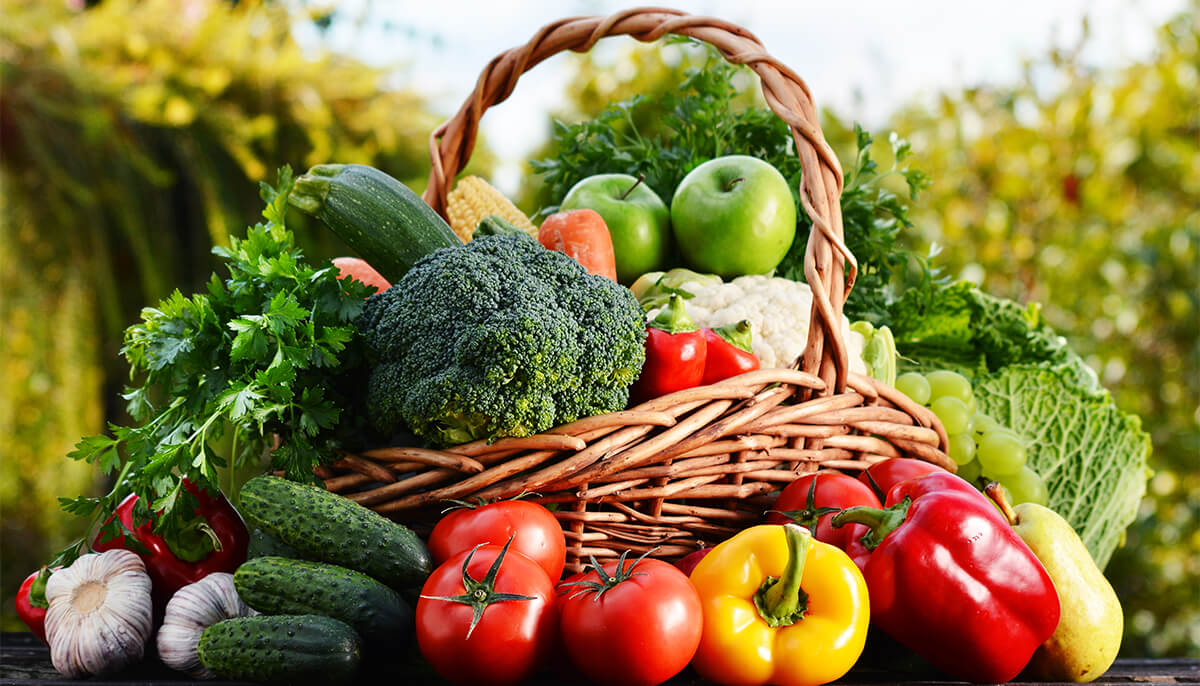
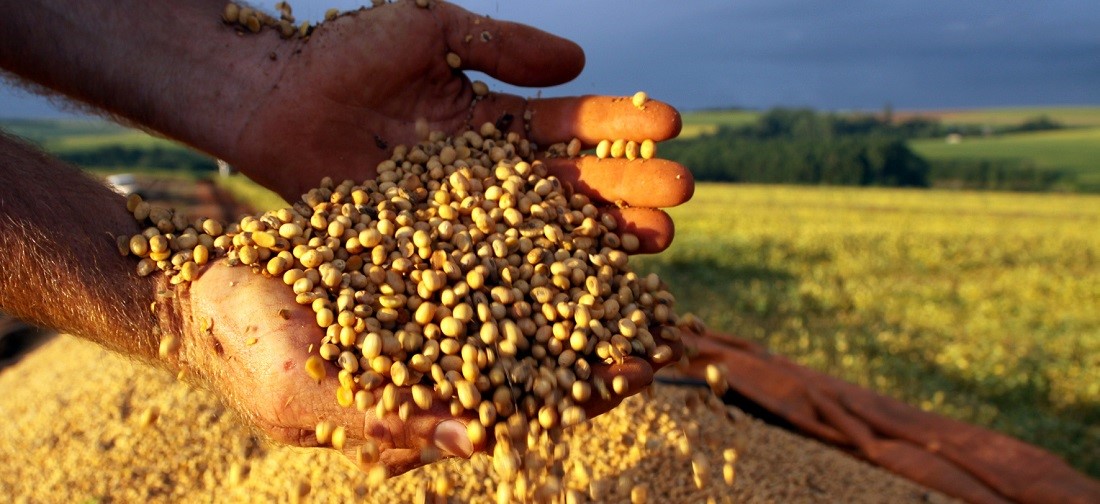
Farming is what Dee Thao's family is best known for.
Members of her Hmong community are familiar to most Tasmanian market-goers looking to buy fresh vegetables on a weekend.
For 30 years, Ms Thao has cultivated a plot of land at Richmond on Hobart's outskirts.
Together with her husband, Lia, the couple have sold produce to support their growing family.
Farming has traditionally been a strong part of Hmong culture.
For Ms Thao, whose parents grew rice in the mountains of Laos, she worries her way of life is fading.
"I'm not sure what [will] happen to my kids, because they are the new generation, whether they will continue or not," she said.
"Because a farm is not a small job, it's a hard job.
"Whatever the weather — rain, hot, cold, you have to keep going,"
Ms Thao said.
Alongside university and school commitments, the Thao's eight children often help out on the farm and run the market stalls.
"[The kids] say, 'Mum, you and Dad, [have] no holidays. Every time it's on the farm, hurrying and then doing veggies," she said.
From jungle potatoes to building a new home
Living off the land saved Ms Thao's life in the 1960s.
During the Laotian war in the 1950s and 60s, her mother was too malnourished to breastfeed. As a baby Ms Thao survived because her father foraged potatoes, crushed them up and strained them through a bag into her mouth to make "milk".
She survived, while her siblings were among thousands of persecuted Hmong who didn't.
"My mum said, 'you're really lucky'," Ms Thao said.
Her parents came to Australia as migrants in 1976 when she was 10 years old, after living in a Thai refugee camp.
The Hmong people, culturally a hill-tribe people that researchers believe originated from Siberia, have migrated increasingly south throughout their long history.
Most recently, many Hmong hail from northern Laos, where the minority group were persecuted after the Laotian civil war for helping the United States fight communist forces the Hmong felt threatened their autonomy and farming way of life.
Ms Thao's father was a soldier in the conflict, and while the US evacuated some Hmong when it recalled its troops, her family wasn't among them.
It's believed more than 100,000 Hmong died trying to flee Laos in the war's aftermath. When hiding from Laos soldiers in the jungle, Ms Thao — then a baby — was kept alive by her parents, who fed her 'milk' by straining foraged potatoes.
"They were chasing us like animals, if they see us then they just shoot and you die," Ms Thao said of the Lao communist army.
Ms Thao explained the US promised to aid Hmong resettlement.
"Because my people helped them do the war, they had a paper that said if we lost, [America] had to sponsor or take my people to their country," she said.
Hmongs not immune to changing agricultural tide
As farmers nationwide grapple with concerns around the longevity of the family business on the land, the Hmong diaspora is not immune.
Ms Thao's children are mostly not following in her farming footsteps — one wants to be a plasterer, another an engineer.
She said her children want to find more lucrative jobs that allow more free time.
While other students "were going camping or somewhere" during the school holidays, Ms Thao said her daughter had to tell them "'my holiday is on the farm, helping Mum do the veggies, cleaning, [things] like that."
Damian Xiong, 29, is studying a plastering apprenticeship.
He says while he enjoys farm work, he doesn't see himself doing it long-term.
"You don't really have holidays," he said.
He said he also felt younger generations were "more ambitious to do more things".
"The world's growing up, you know, involving new technology. And then you have young generations, they have more ideas, more opportunities to look at things that different way."
"So I wouldn't really see the new gens taking this up as a career path, unless they really do enjoy it themselves."
Flourishing through farming
Researcher Margaret Eldridge said Hmong culture was strongly tied to farming, with her observing the "shamanism involved in creating a good place for farming or for moving villages to" when living in Laos.
While a shy, unassuming people, she said Hmong refugees had triumphed in farming — in a new country with plants, processes, language and culture that were "completely alien" to them.
"They learned a huge amount, very quickly,"
she said.
Markets were largely where they interacted with the wider public, often introducing unfamiliar vegetables to Westerners.
Ms Eldridge's interest in the Hmong community led her to develop 'English for Salamanca', a course to help non-English speaking stallholders communicate with customers at Hobart's popular Salamanca market.
Ms Eldridge said many cultural customs could be lost if the next generation of Tasmanian Hmong farmers didn't take up the mantle.
"Along with the potential to lose the farming community is the social structures, the customs, the traditions, which are very much associated with farming."
"The [young people] still have farming in their blood, but they also saw the opportunity of education would take them from poverty to riches, and so that's the way they went,"
she said.
Source - https://www.abc.net.au