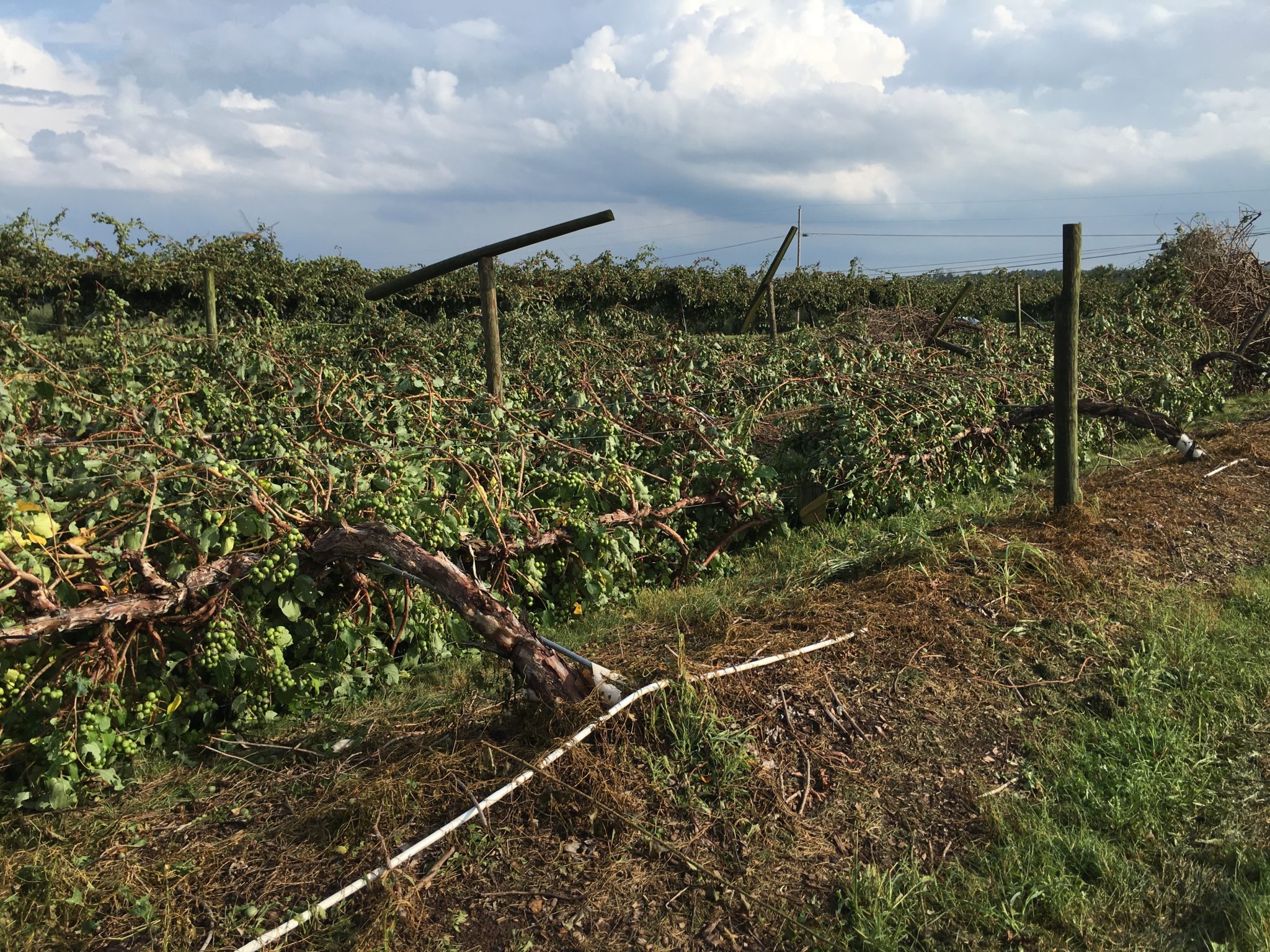
From expansive mango orchards to small family farms, reports indicate a significant decline in fruit budding compared to previous years, sparking fears of a collapse in mango and litchi yields.
Mango farmers in regions like Satkhira are particularly alarmed by the notable fall in mango buds this season. The intense heat wave has led to premature dropping of mangoes from trees, exacerbating worries about reduced yields.
Similarly, litchi cultivation is also facing challenges, with farmers reporting losses due to the premature falling of litchi seeds.
Experts warn that the adverse effects of the climate are already taking a toll on fruit yields. Ilyas Hossain, chairman of the Agro-botany Department at Sher-e-Bangla Agricultural University, underscores the detrimental impact of the heat wave on crop fertility.
He explains that the high temperatures are damaging the male cells of mango buds, ultimately diminishing fruit production. Contrary to misconceptions, mango trees are not immune to heat stress, as the stigma's viability decreases at elevated temperatures, leading to reduced pollination success and fruit set.
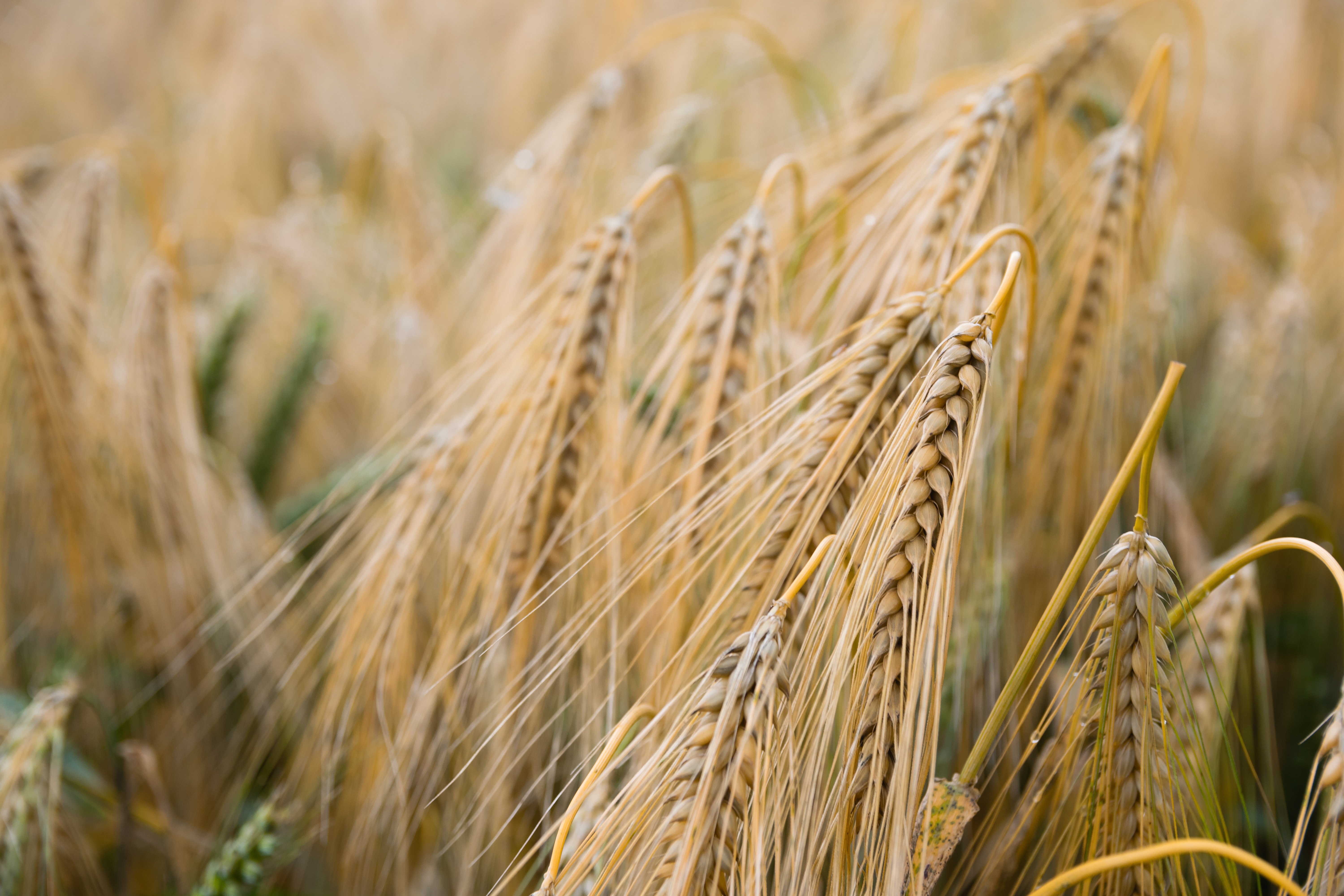
The heatwave is not sparing rice fields either. With only the grains of Boro rice emerged, there are concerns that the scorching temperatures could lead to root dryness, potentially affecting yields.
The prevalence of Cheeta Paddy, a type of rice, increases significantly in extreme heat, further jeopardising harvest outcomes.
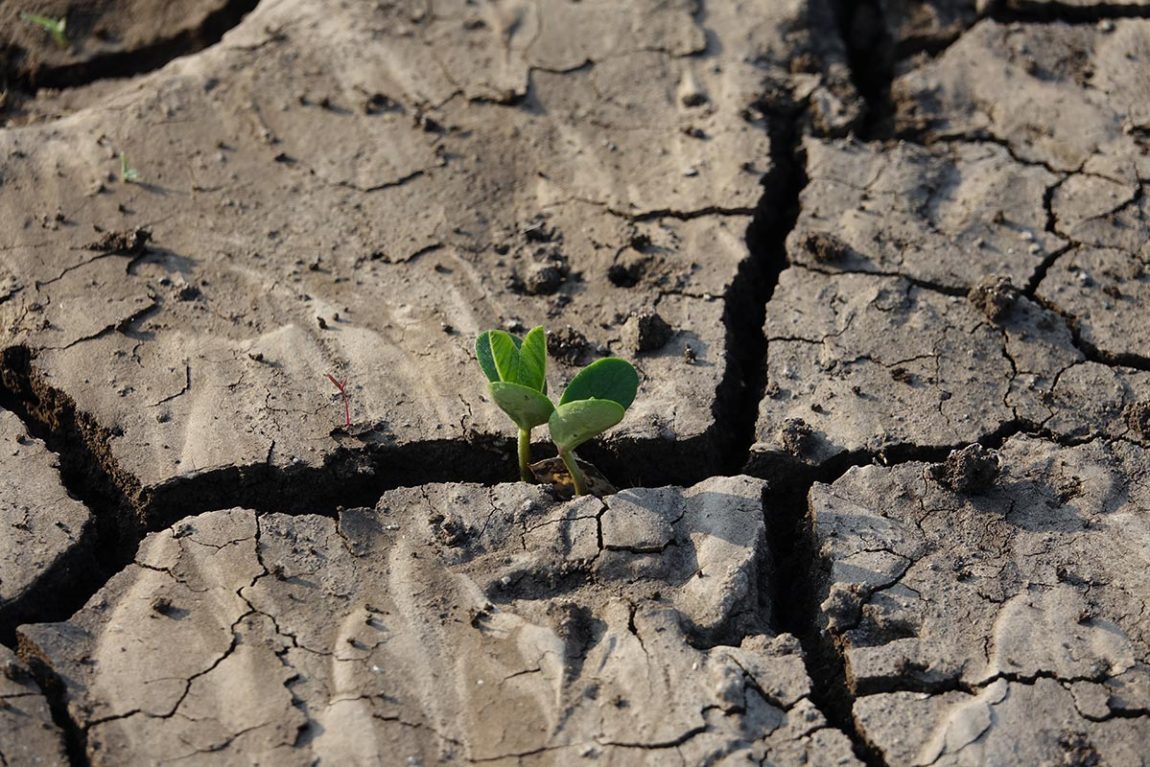
In regions like Varendra, known for mango and litchi production, the situation is dire. Declining water levels coupled with frequent power outages are disrupting irrigation efforts, exacerbating moisture deficits in orchards.
Ripon Kumar Mondol, an agricultural economics analyst, emphasises the challenges faced by non-commercial mango growers who struggle to provide adequate irrigation, resulting in fruit drop due to moisture scarcity.
The outlook for litchi cultivation is equally bleak, with reports of flower buds rotting or falling off due to insufficient moisture. The lack of water in regions like Rajshahi, Chapainawabganj, and Naogaon threatens to diminish litchi yields significantly this season.
According to Mondol, the adverse temperatures are expected to reduce this summer's fruit yield by approximately 20 percent, posing a significant threat to both local farmers and national export prospects.
The economic repercussions extend beyond income loss, as the heatwave is also anticipated to alter the taste and quality of mangoes and litchis due to moisture deficiencies.
Abdul Awal, Director of Horticulture Department at the Agriculture Extension Department, echoes concerns about the impact of erratic weather patterns on fruit production.
He attributes a 40 percent decrease in mango yields compared to last year to the damaging effects of a prolonged winter, which severely affected mango bud development.
Besides, shifts in climate have disrupted traditional pest management practices, further complicating crop protection efforts.
Awal predicts delays in mango ripening, with popular varieties like Gobindobhog and Gopalbhog expected to hit the market later than usual.
Similarly, the arrival of Amrapali mangoes is anticipated to be delayed, prolonging the mango season into mid-June.
As farmers brace themselves for a challenging season ahead, consumers may face higher prices for mangoes and litchis due to reduced supplies. While syndicates may not find the situation conducive for profiteering, the impact on consumers' wallets remains a concern amidst dwindling yields.
The current heat wave poses a grave threat to mango and litchi yields, jeopardizing both livelihoods and export revenues. Urgent measures are needed to mitigate the impact of climate extremes on agriculture and ensure food security for vulnerable farming communities.
Source - https://en.somoynews.tv