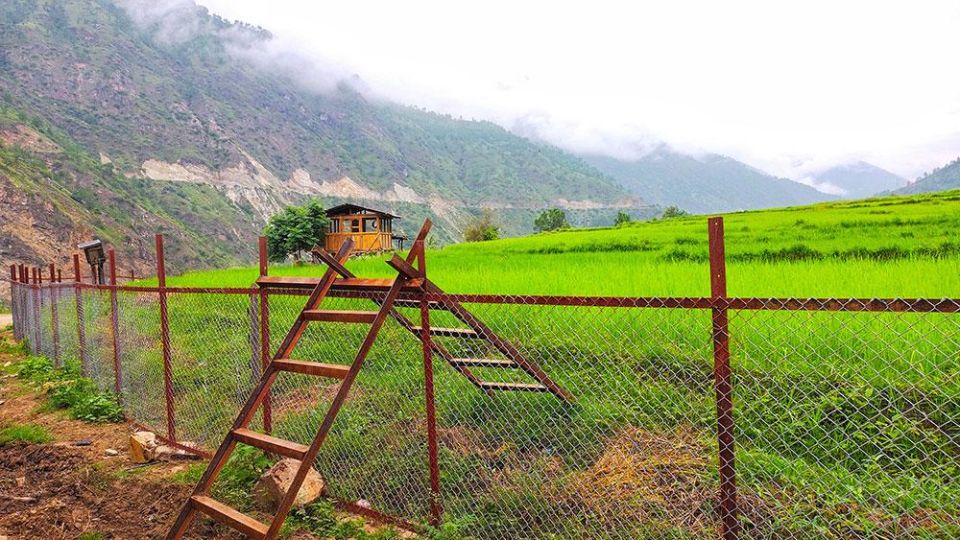
At Nu 1.5 million per kilometre, the government is spending heavily on chain-link fencing to curb human-wildlife conflict. But with standard fences failing and costs rising, is this really a sustainable solution or just a costly way of masking a deeper ecological problem?
The government spends Nu 1.5 million to install one kilometre of chain-link fencing, a costly intervention that has become central to Bhutan’s efforts to combat rising human-wildlife conflict (HWC), according to the Minister of Agriculture and Livestock (MoAL) Younten Phuntsho.
At the National Assembly’s Question Hour session yesterday, he said that as of the 2025–26 financial year, 1,107 kilometres of fencing have been constructed across the country, covering 31,121 acres and benefiting 12,907 households.
Member of Parliament for the Khar-Yurung constituency, Sangay Thinley, questioned the minister on concerns over the current Chain-Link Fencing Implementation Guidelines 2024, particularly the requirement that only farming communities with landholdings of 30 acres and above are eligible for government support.
Drawing from experiences in Yurung Gewog in Pemagatshel, which received electric fencing support during the first phase, the MP said households protected by fencing were now largely safe from wildlife attacks, while neighbouring households without fencing faced intensified crop losses and predation.
“Those who receive chain-link fencing are protected from wildlife conflicts. However, this has placed a double burden on households that do not meet the 30-acre landholding requirement,” MP Sangay Thinley said.
The MP urged the ministry to review the guidelines and reduce the eligibility threshold from 30 acres to 20 acres to include small and fragmented farming communities.
The acreage requirement has become a major concern for farmers in scattered and remote areas, especially those with smaller landholdings facing severe wildlife depredation.
Lyonpo Younten Phuntsho said the 30-acre requirement was introduced due to limited national resources and the need to ensure greater economic returns from public investment.
“In the past, agriculture was primarily subsistence-based and meant for self-consumption. Now the model has shifted towards commercial farming practices to encourage economically productive agricultural activities,” Lyonpo said.
He added that while the policy could be revised in the future, an immediate change was unlikely.
“The policy can be changed, but not now. It will be reviewed based on needs and issues raised by local governments and dzongkhags,” the Lyonpo said.
According to the minister, 289 locations across various gewogs have already been identified and prioritised for fencing works under the existing criteria.
For households owning less than 30 acres, Lyonpo said the National Crop and Livestock Insurance Scheme (NCLIS), established last year, remained available as an alternative support mechanism. More than 100 farmers have registered under the scheme so far.
The fencing projects require careful planning and sustained maintenance by both communities and local governments. The government spends Nu 1.5 million on one kilometre of fencing, making it a costly initiative.
Lyonpo said that the government, in collaboration with the Japan International Cooperation Agency (JICA), is piloting improved fencing models that combine cement barriers, chain-link fencing and electric fencing to protect farms from multiple wildlife species.
“If the design proves effective, it can be replicated in other areas,” Lyonpo said.
He also informed the House that areas protected by fencing had already reported improved agricultural productivity and a significant reduction in wildlife threats.
The ministry recognised HWC as one of the most pressing challenges facing farmers across the country.
According to records from 2013 to 2017, Bhutan lost nearly 8,000 metric tonnes of agricultural production to wildlife depredation. Around 66,000 households are currently engaged in agriculture and livestock farming, with almost 40 percent reporting HWC as a major obstacle to productivity.
During the follow-up question session, seven other MPs also raised concerns regarding the implementation of fencing projects.
The Member of Parliament for the Nganglam constituency, Lamdra Wangdi, highlighted the growing concern of an ageing rural population as an emerging challenge.
“Under the current project model, the government provides raw materials, while farmers are expected to contribute labour for fence installation. However, many villages are now predominantly inhabited by elderly residents who are no longer able to undertake such physically demanding work,” he said.
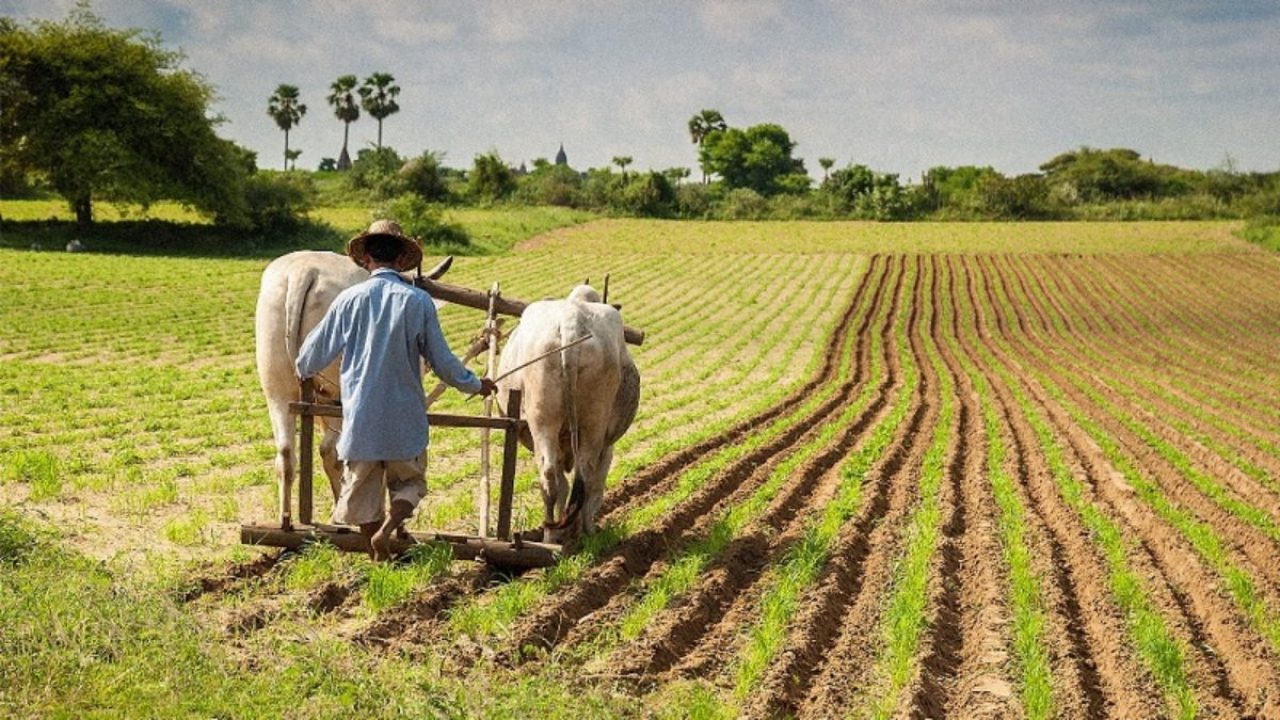
The agrifood sector is seriously constrained by farm labour shortages, worsened by continuing rural-urban migration, outmigration of youth, increasing feminisation and ageing household members.
There has been a major reduction in the number of people employed in the agrifood sector over the last decade, from 65 percent in 2009 to 43.5 percent in 2023, accounting for an approximate annual reduction of 1.4 percent in the labour force.
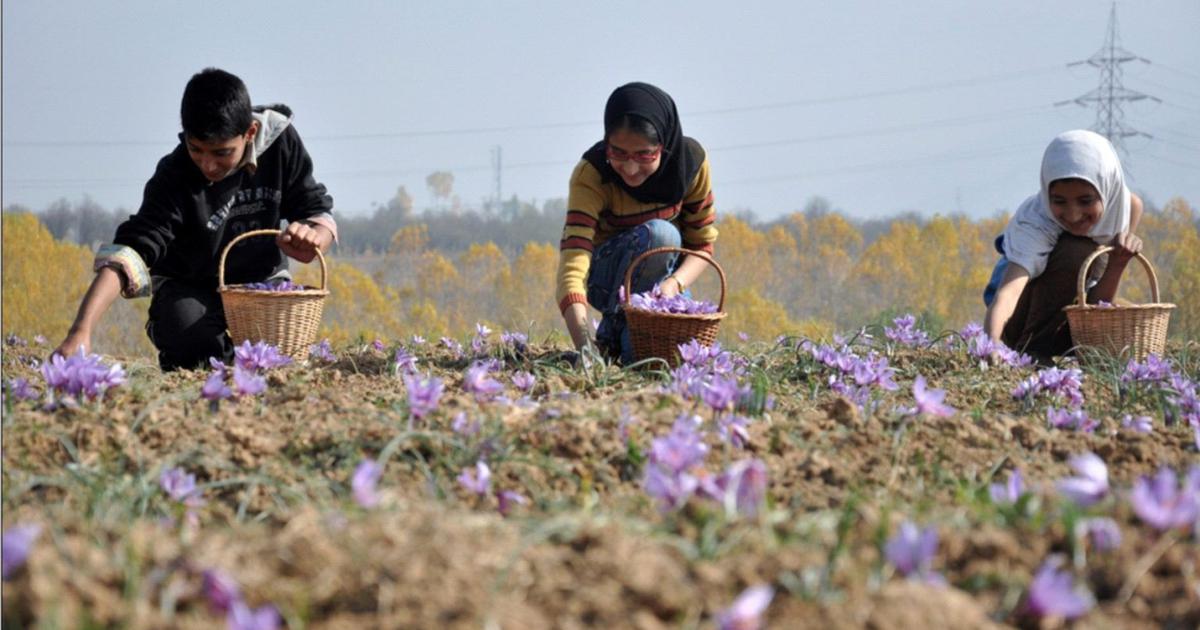
Feminisation of agriculture and the ageing farming population have also become increasingly visible across rural Bhutan. The share of the female labour force in agriculture increased from 52.5 percent in 2005 to 59.3 percent in 2017, primarily due to the outmigration of young male workers.
The RNR Census Report 2019 also shows an overrepresentation of women in the farming sector. Similarly, Labour Force Survey data indicate a continuing decline in the rural working-age population alongside growth in urban areas.
“In many areas, work has remained incomplete because senior citizens are unable to contribute labour,” Lamdra Wangdi said.
Responding to the issue, Lyonpo said the ministry was aware of the challenges reported by farmers and was exploring alternative arrangements to address labour shortages caused by ageing rural populations.
Source - https://asianews.network