The “microfinance” industry — long touted as a way to help poor, rural communities in developing countries — is pushing tens of thousands of farming families into debt traps as they attempt to adapt to a changing climate, according to a report.
The study, conducted by researchers at a group of U.K. universities, looked at a range of case studies in Cambodia, where it found easy-access loans had caused an “overindebtedness emergency” that was undermining borrowers’ long-term ability to cope with their new environment.
Modern microfinance institutions (MFIs), which are generally small, locally run organizations with a variety of funding sources such as international investors, banks and development agencies, emerged in the 1970s and grew rapidly in the early 2000s. They were promoted as a way to provide financial services, typically small working capital loans but also savings accounts and insurance, to the traditionally unbanked — such as women and people on very low incomes.
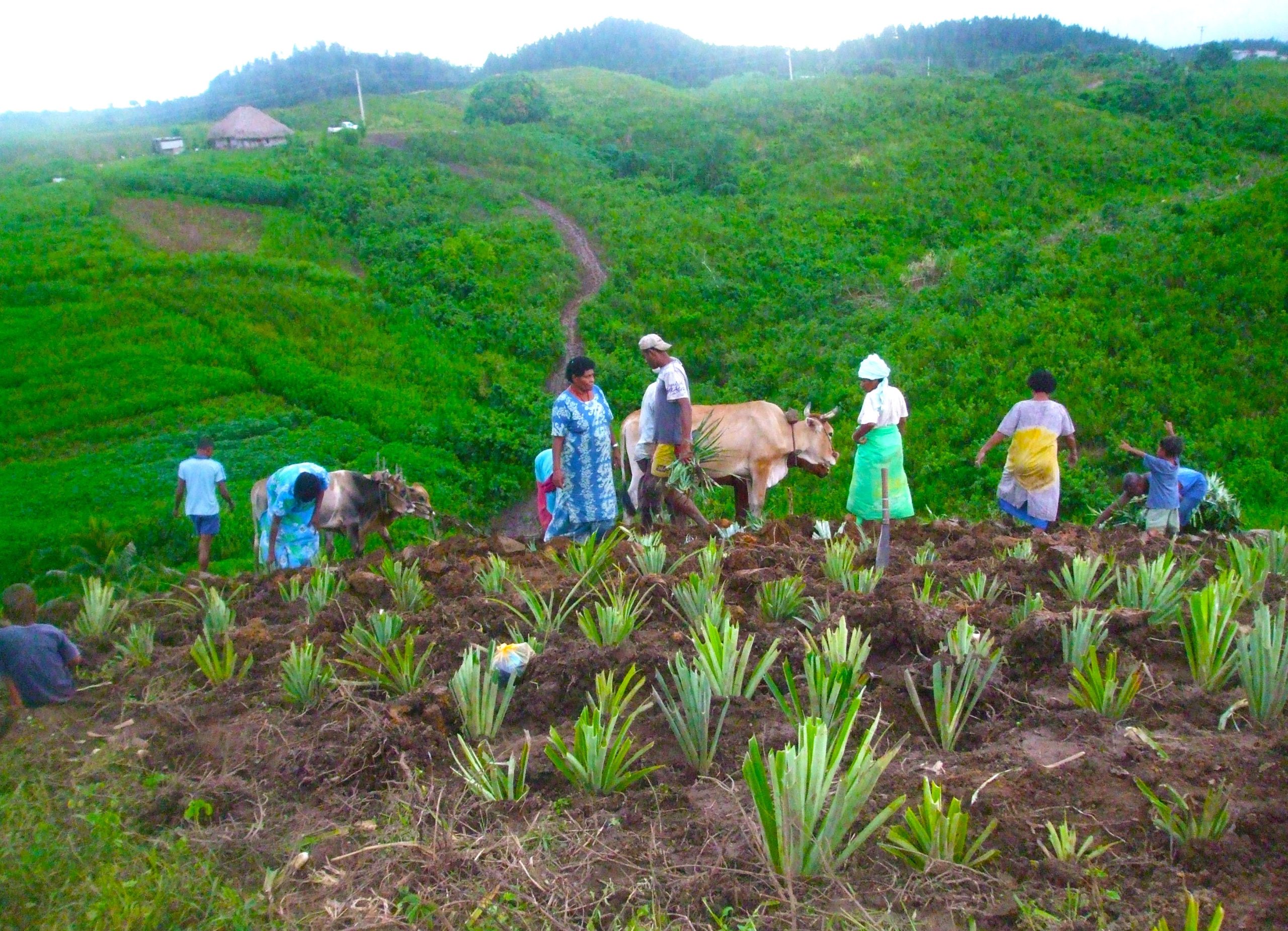
In Cambodia, around 61% of people live in rural areas, and 77% of rural households rely on agriculture, fisheries, and forestry for their livelihoods, according to development agency USAID.
Many have seen these traditional livelihoods affected by a mix of climate change, over-development and illegal logging and fishing, with increasing droughts, wildfires and unpredictable rainfall patterns causing crop losses and damage to the ecosystem of Cambodia’s vital Tonle Sap lake.
The establishment of hundreds of MFI branches since the early 2010s, which can be seen advertising services along roadsides around the country of 17 million people, has often harmed rather than helped those affected, the report published in September found.
In its survey of around 1,800 borrowers, roughly half cited feeding their family as their primary motivation.
But the authors say the loans are increasingly being taken up to service existing debt from a mix of formal and informal sources, rather than being put toward climate-adaptive investments. The loans are also seeing farmers put assets including their land up as collateral, even when the loans are high-interest and have short repayment windows.
NGOs estimate around 167,000 Cambodians have sold their land to pay microfinance loans over the last five years.
The level of microfinance indebtedness in Cambodia at the end of 2021 was $4,213 per capita, more than double gross domestic product per capita. Around 2.6 million people have taken out microloans.
“The debt burden created by the nexus between climate change and microfinance creates enormous challenges for many individuals and communities causing physical and emotional stress,” said Ian Fry, United Nations special rapporteur on human rights within climate change, who also acknowledged microfinance had been promoted by the U.N., World Bank and other international agencies.
Some oversight of the industry does exist. MFIs are required to register with the National Bank of Cambodia, the country’s central bank, which in December 2021 stopped issuing new licenses and told institutions to improve the “quality, efficiency and affordability” of their services. In 2017, it capped microloan interest rates at 18% annually.
The Cambodia Microfinance Association, a trade body, maintains that MFI loans have an overall positive impact in increasing income and land ownership, and has issued lending guidelines to “reduce the risk of excessive debt” for consumers. It has also hit back at critiques of the industry by NGOs and in previous reports. The NBC and CMA did not respond to requests for comment.
Sounding the alarm
The issues surrounding microfinancing institutions in Cambodia — and around the world, from South Africa to India to Mexico — have been highlighted by NGOs and journalists for nearly a decade.
Microfinance institutions globally had an estimated gross loan portfolio of $124 billion in 2019.
In some cases it has been found to have positive effects. A 2016 book published by the World Bank argued microfinance loans had reduced poverty and increased incomes in Bangladesh, and banking giant HSBC still promotes its funding of microfinance in the country.
But the World Bank, an early and longstanding advocate of microfinance, has also been warning for years of risks including overindebtedness and the growing commercialization of the industry.
In the 30 years of advocacy done by Cambodian human rights NGO Licadho, land-grabbing has been one of the most prolific problems it addresses on the ground, its director, Naly Pilorge, told CNBC by phone.
That’s in part a legacy of the murderous Khmer Rouge regime, which banned private land ownership when it ran the country from 1975 to 1979 and left survivors without land deeds in the tumultuous years that followed.
“We started noticing that in rural communities, workers were losing their land because of another problem even when they had secured their land titles — they were losing it to MFIs,” Pilorge said. “How can a farmer farm without land?”
People were being forced to migrate and look for alternative work, Licadho found, which was difficult in the Cambodian economy, where agriculture makes up around a fifth of GDP, and the biggest employer is the garment factory sector, which has been hit hard by the Covid-19 pandemic and EU sanctions.
Cambodia was badly affected by the pandemic, with revenue from tourism plunging from its all-time high of $4.9 billion in 2019 to just over $184 million in 2021, according to government figures.
Licadho has done four research projects into issues surrounding microfinance to highlight its risks, including one in 2021.
“The numbers didn’t make sense. In a country perceived as developing, that struggled with tourism due to Covid, the MFI sector was still growing at 30% each year, and the average loan went from around $3,000 to $4,000,” Pilorge said.
“Some of the people being offered these amounts have never seen $500 in cash, let alone $4,000, so when someone comes and offers it in exchange for their land as collateral it is tempting.” Cambodia uses both the Cambodian riel and the U.S. dollar.
Loan forms are complicated to the average person, she added, but “a significant portion are given to ethnic minorities who neither write nor read Khmer. People are signing with a thumb print.”
In the capital Phnom Penh, she added, she commonly meets people working seven days a week to pay off spiraling MFI loans.
The 2022 report added its support to prior calls for the establishment of debt relief and interest suspension programs. That should be in tandem with efforts to cancel and restructure the national debt of countries in developing countries, it said.
International responsibility
It also said the international development community should redirect support away from microfinance institutions and into more targeted projects, and argued there needs to be more “robust taxation and regulation of profits, dividends, and capital gains generated by the foreign owners of Cambodian microfinance institutions.”
The U.N.’s Ian Fry called on the international finance community to “take strong heed of the recommendations found in this report and seriously rethink their approach to microfinance.”
Pilorge also took aim at international governments, financing institutions and investors who fail to prevent funds being funneled toward predatory activities.
“All these international investors, Asian, European, Americans and so on, still perceive MFIs as a positive thing because of the initial concept. It looks good, you get a high return, everybody thinks they are helping poor people. But there have been red flags on every level for 15 years and they have been ignored,” she said.
“Investors are happy, they get the interest, the agents get a base salary and commission, and the people who suffer are the poorest.”
Source - https://www.cnbc.com