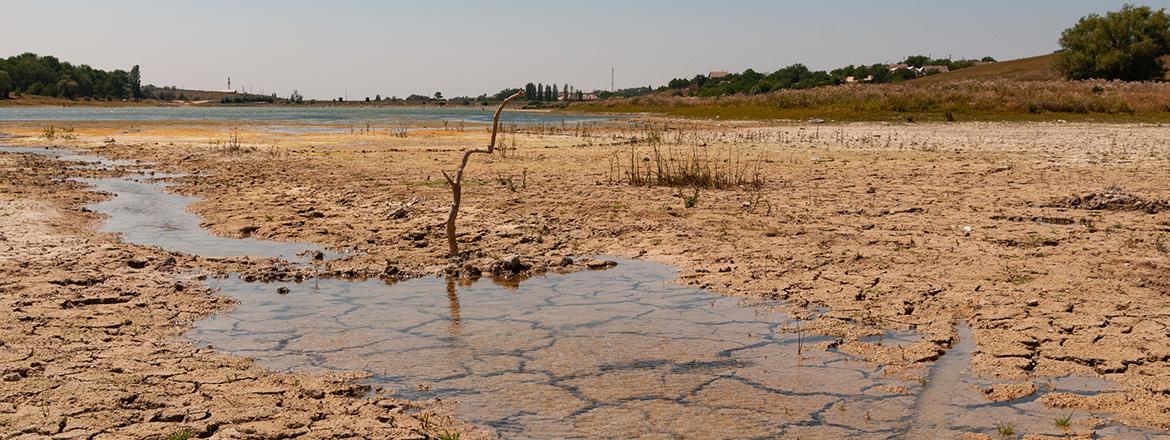
The provincial and federal governments are joining forces to provide relief for drought-stricken producers in Saskatchewan.
In a joint statement issued on Friday, the two levels of government said the Saskatchewan Crop Insurance Corporation is doubling its low-yield appraisal process. The move is encouraging farmers to divert acres of low-yielding eligible crops in order to create feed for grazing, baling or silage.
“In multiple areas throughout the province, our livestock producers are facing challenges from this year’s dry conditions,” Saskatchewan’s agriculture minister Daryl Harrison said in the joint statement.
“There is a need to quickly adapt to best support producers’ timely, on-farm decisions. In 2021 and 2023, this same initiative was successfully implemented, resulting in over half a million acres of additional low yield crop redirected to feed. Once again, livestock producers are encouraged to work directly with neighbouring crop producers to access additional feed.”
Heath MacDonald, Canada’s minister of agriculture and agri-food, said he’s spoken with livestock and crop producers in the province who expressed concerns about the dry conditions this season.
“Changing the yield threshold will give them some breathing room, so they can make the best decisions for their operations,” MacDonald said in the statement.
According to the provincial government, when crops are severely damaged and the appraised yield falls below a certain threshold, the yield is reduced to zero on the crop insurance claim. By doubling the low-yield appraising threshold values, the Saskatchewan Crop Insurance Corporation is allowing producers to salvage damaged crops as feed without a negative impact on future coverage.
“Prior to compensation, all qualifying acres for double low yield appraisals must be diverted to livestock feed. They cannot be left to harvest,” the governments noted. “Prior to putting damaged crops to an approved alternate use, producers should contact their local SCIC office.”
Bill Huber, president of the Saskatchewan Association of Rural Municipalities, said the announcement will be welcomed by livestock producers.
“As in past years, it will help address feed shortages so many ranchers are experiencing,” Huber said, quoted in the governments’ statement. “Timely support like this is critical to ensuring the sustainability of the sector in this province.”
Jeff Yorga, president of the Saskatchewan Stock Growers Association, said his organization also appreciates the move.
“There are producers struggling with drought conditions. They are assessing and adjusting crop and feed requirements,” Yorga said.
“This action taken helps our producers make those important decisions in a timely fashion. As we move forward, I strongly encourage producers to directly connect with each other to co-ordinate access to any additional feed made available through this change.”
Yorga’s comments were echoed by Bill Prybylski, president of the Agricultural Producers Association of Saskatchewan.
“Swift action from government has provided a vital lifeline to many Saskatchewan farmers and ranchers amid this year’s early challenges,” he said.
“The quick adjustment of support measures reflects a strong commitment to agriculture and sets a high standard for proactive, responsive risk management programming. Producers across the province feel heard, supported and valued.”
The governments’ statement noted that the Saskatchewan Crop Insurance Corporation recognizes that reduced hay and pasture production is currently “the most pressing concern for livestock producers.”
Pastures are insured for drought conditions through the Forage Rainfall Insurance Program, and eligible producers will begin to receive claim payments starting on July 15. Remaining claims are automatically calculated based on weather station data by August 15.
More information on the changes can be found on the corporation’s website.
Source - https://farmnewsnow.com