Canada - Fruit growers try to adapt in Kelowna following extreme cold

04.07.2024 572 views

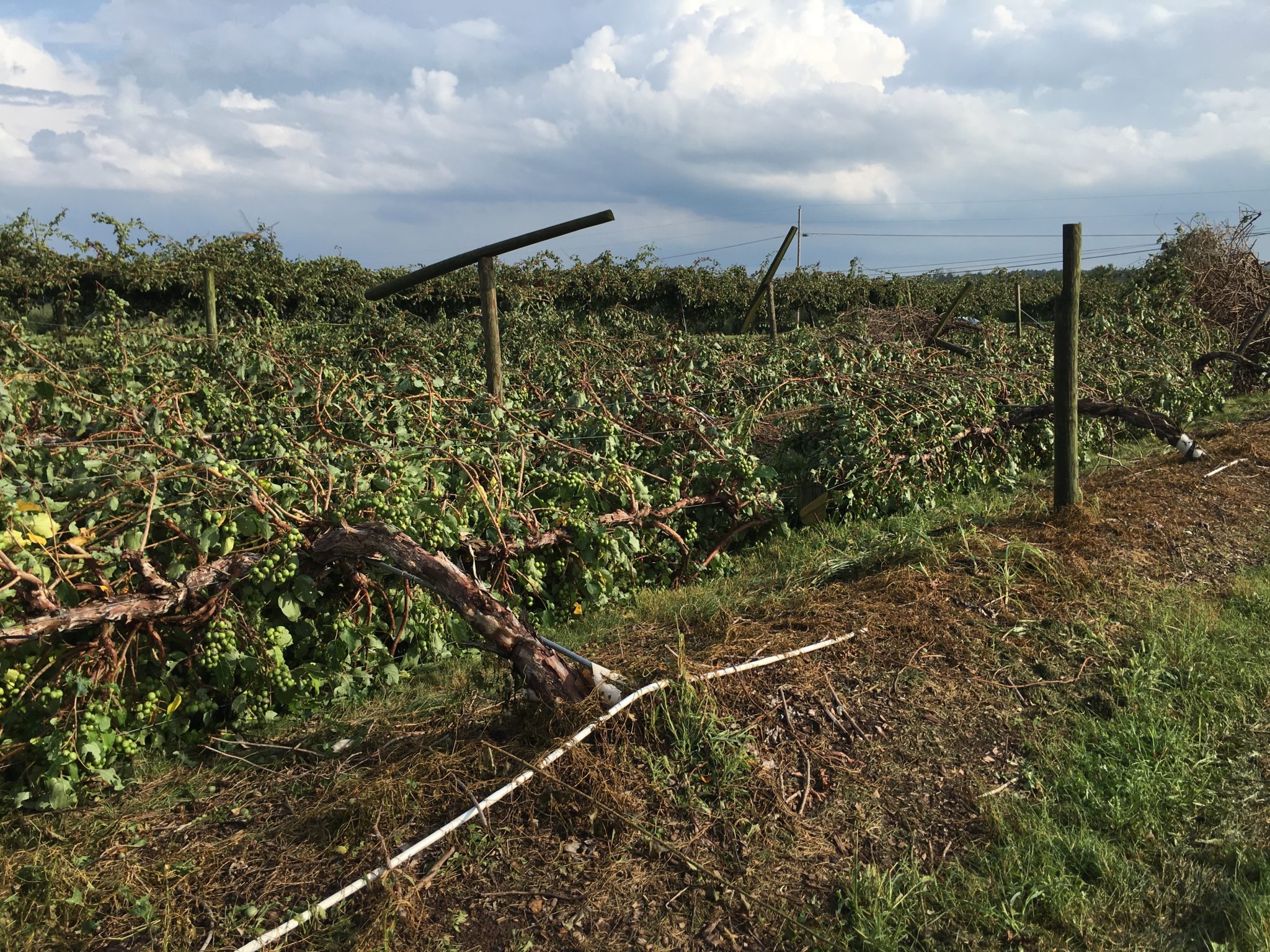
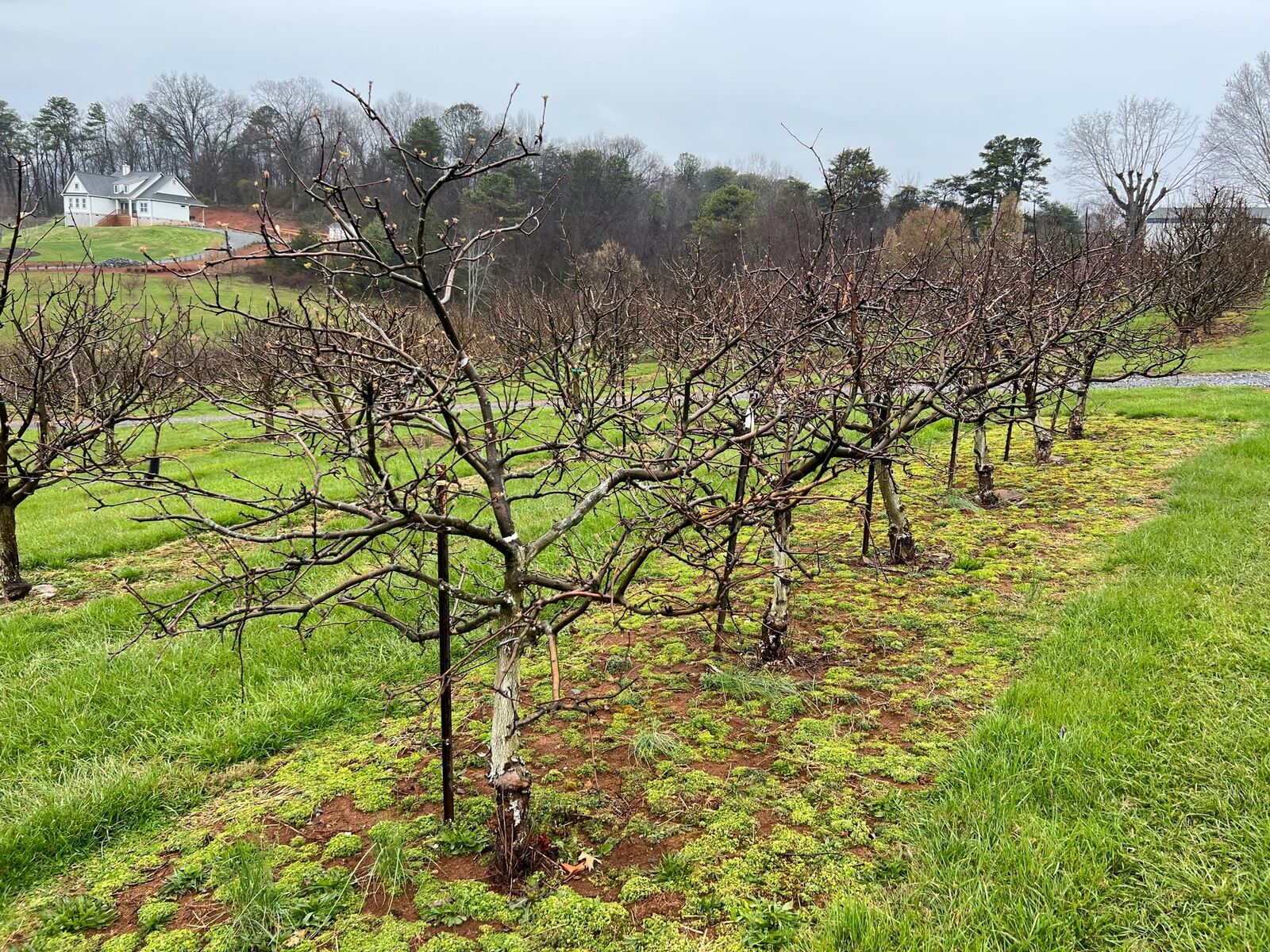
In Kelowna, B.C., an unprecedented winter cold snap led Jennifer Deol and her husband to remove over a hectare of peach trees from their orchard. Early January's extreme temperatures inflicted severe damage on stone-fruit trees and grapevines throughout the Okanagan Valley, destroying the buds destined to become this season's harvest.

As a response, Deol, among other orchardists, is transitioning to more resilient crops to compensate for the losses and adapt to the recent surge in extreme weather events affecting British Columbia's farms. Deol remarked, "Not even a single [peach] flower bloomed. We knew that we had to get ahead of this and pivot." The couple faces the risk of bankruptcy within a couple of years if their adaptation strategies do not succeed.

The decision to replace mature peach trees, once capable of producing record-sized fruit, with table grapes and corn marks a significant shift in their farming approach. Deol expressed the challenges faced by farmers who, despite their resilience, are deeply affected by such losses, stating, "It's very tough. Farmers are very resilient, but we're still humans at the end of the day and this is our livelihood. This is our income."

British Columbia, hosting the highest number of fruit farms in the country, predominantly in the Okanagan Valley, is witnessing the impacts of climate change on its tree fruit sector, which is valued over $450 million annually. With cherries, apples, and peaches as the leading crops, the region experienced a nearly two per cent drop in fruit sales last year due to reduced yields, with expectations of a more severe impact following this year's freeze.

Source - https://www.freshplaza.com

27.08.2026

Crop Insurance Add-Ons Surge as U.S. Farmers Expand Subsidized Coverage Nationwide

U.S. farmers sharply expanded area add-on crop insurance in 2026 after federal subsidies rose to 80%, reshaping coverage and federal costs.

27.08.2026

China grain imports in focus as crop damage hits key producing regions

Extreme heat, heavy rain and flooding across key Chinese farming regions are putting global grain and cotton exporters on alert, as markets assess whether crop damage could increase China’s import needs.

27.08.2026

Philippines - Benguet crop loss worst in Cordillera

The strong monsoon rains that have been pouring in the Cordillera region for nearly three weeks now have cost vegetable-producing Benguet province up to P446.55 million in farm losses, according to data consolidated by the Regional Development Council on Wednesday.

27.08.2026

USA - Bear damage costs Benzie County farmer at least $40,000 across 1,100 acres of corn

Corn growers around northern Michigan are getting a really good look at how this year's crop is shaping up before harvest, but one of them in Benzie County is getting to see a lot more than that.

27.08.2026

India - Shivraj Singh Chouhan reviews summer moong procurement and crop insurance in Madhya Pradesh

Union Minister for Agriculture and Farmers Welfare Shivraj Singh Chouhan on Thursday conducted a virtual review meeting with the Agriculture and Horticulture Ministers of Madhya Pradesh at Krishi Bhawan, New Delhi.

27.08.2026

India - Demand to withdraw farmer ID mandate for crop procurement

The Andhra Pradesh Koulu Rythu Sangham (AP Tenant Farmers’ Association) has demanded that the State government immediately withdraw its decision to make Farmer ID (Unique Farmer Number) mandatory for selling crops at government procurement centres, stating that the move would severely affect tenant farmers. 

26.08.2026

Lithuania declares nationwide emergency after storm causes heavy damage

Lithuania’s government declared a nationwide “extreme situation” Wednesday following a severe weekend storm that caused extensive damage to crops, livestock and agricultural infrastructure.

26.08.2026

Cameroon Sets 2026 Planting Windows to Help Southern Farmers Reduce Crop Losses

Planting too early or too late can cost farmers part of their harvest. Cameroon’s National Observatory on Climate Change, or ONACC, has now set rainfall and planting windows for the second 2026 farming season across the country’s southern regions, giving producers a tool to reduce weather-related crop losses.