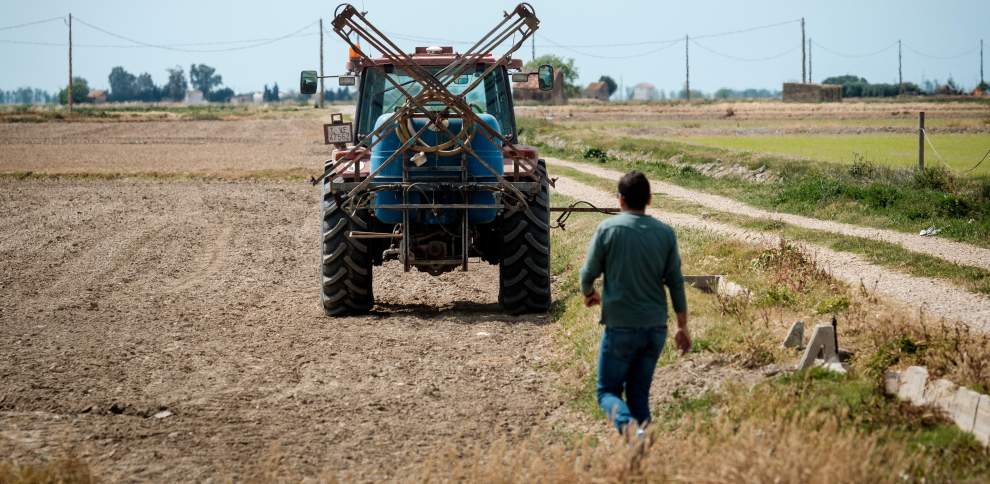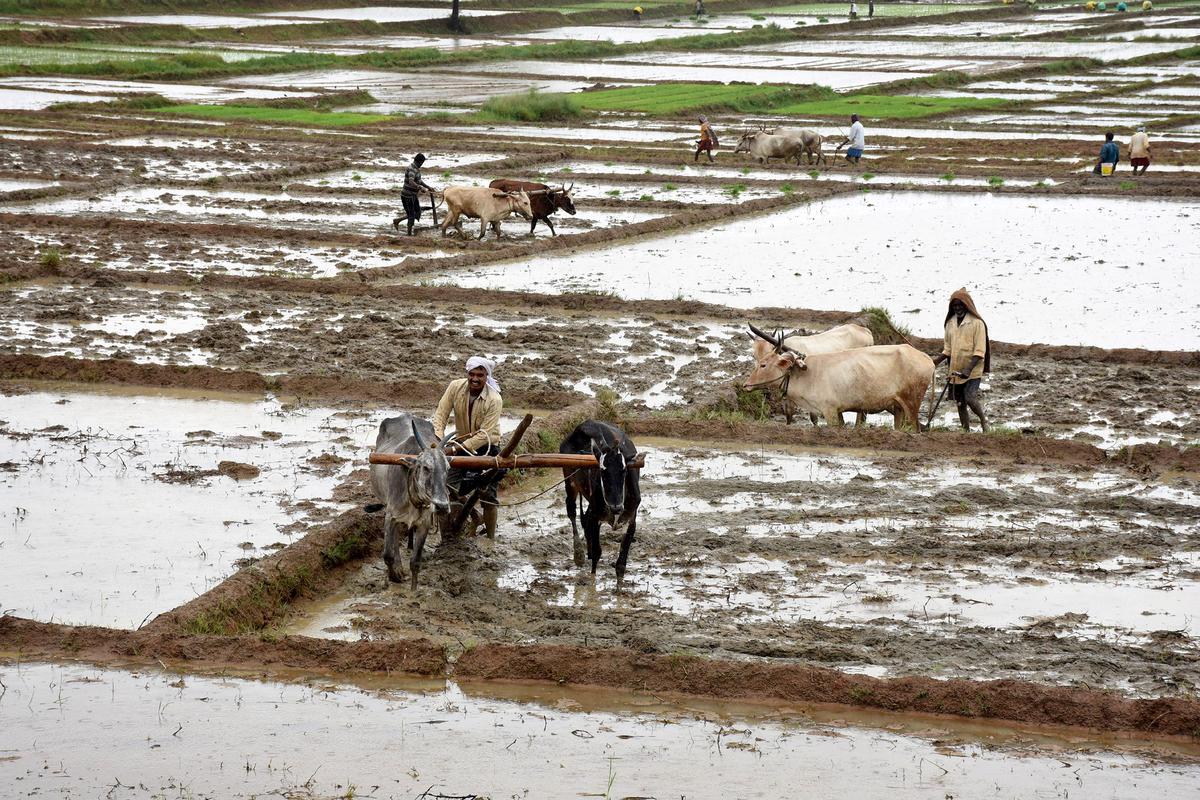
The strong monsoon rains that have been pouring in the Cordillera region for nearly three weeks now have cost vegetable-producing Benguet province up to P446.55 million in farm losses, according to data consolidated by the Regional Development Council on Wednesday.
Benguet’s losses accounted for some 94.31 percent of the total P473.474 million in agricultural damage throughout the mountain region.
Benguet supplies between 70 and 80 percent of salad vegetables like broccoli, lettuce, cabbage, cauliflower and beans that are sold in markets in Luzon provinces, including Metro Manila. Prior to the monsoon season, Benguet farmers and food truckers were already struggling due to high fuel costs triggered by the already six-month-long war in the Middle East.
On Monday, the Benguet provincial board placed the province under a state of calamity due to the impact of the heavy rains on Benguet’s vegetable farms.
More than 13,000 families in Benguet’s 14 towns have been affected by weeks of heavy rains, landslides and flooding, with the provincial government estimating damage to both agriculture and infrastructure at over P1 billion.
Benguet’s Sangguniang Panlalawigan Resolution No. 2026-0999, which contained the state of calamity declaration, noted that 40,121 residents belonging to 13,000 families were heavily impacted by the weather disturbances. Of these, 470 families had been displaced.
The declaration cited the recommendation of the Provincial Disaster Risk Reduction and Management Council, which pegged Benguet’s overall damage at P1,067,973,728.32.
Vice Gov. Marie Rose Fongwan-Kepes said the declaration was made after the board noted the severity of the prolonged and intensified monsoon on farms and mountain roads and many critical transport routes across the province.
Veggie hub
The provincial declaration came days after La Trinidad, the capital town, was placed under a state of calamity on Aug. 18.
A vegetable trading hub, the La Trinidad local government reported P57 million in infrastructure damage, including blockages along the Benguet-Nueva Vizcaya Road. Rehabilitation costs were estimated at P220 million.
Damage to houses in La Trinidad was placed at P1.609 million, while initial agricultural losses were estimated at nearly P25 million.
Crop losses in Mountain Province accounted for P16.592 million; some P100,000 in major rice producer Kalinga; P3.114 million in Abra; and P7.1 million in Baguio City’s urban farms.
Ifugao province, home of the World Heritage-inscribed rice terraces, had no report for farm damage at press time on Thursday.
The impact of constant rains also affected farms in other provinces in Luzon.
Other Luzon areas
In Pangasinan, the provincial agriculture office reported agriculture losses throughout the province at more than P508 million. Almost all of its coastal towns and communities along the path of rivers reported flooding.
In Oriental Mindoro, the Provincial Disaster Risk Reduction and Management Council has recommended to the provincial board to place the entire province under a state of calamity.
The province has so far recorded more than P2 billion in estimated damage to infrastructure, livelihood, government projects, power supply and other sectors from Aug. 6 to Aug. 19.
In contrast to the deluge suffered by Luzon areas, the province of Dinagat Islands in Mindanao was placed under a state of calamity due to a prolonged dry spell.
According to Gov. Nilo Demerey Jr., at least 18,000 people, or some 15 percent of the province’s population, are affected by water shortage as traditional sources either significantly declined or dried up.
Most vulnerable are communities dependent on rainfall-sensitive springs and shallow groundwater sources.
Source - https://newsinfo.inquirer.net