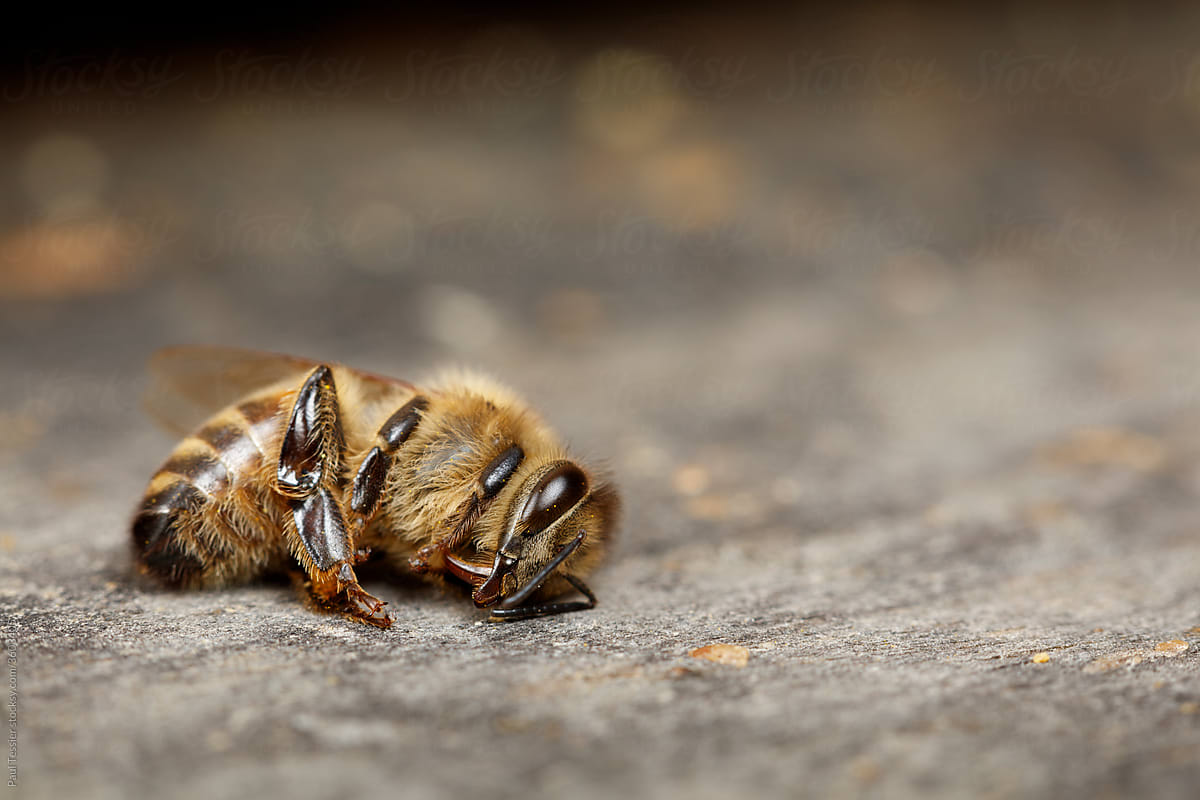
Beekeepers in London, Ont. are still recovering from losing a devastating number of bees this winter.
"It certainly doesn't make you feel good, I mean that's your livelihood," said David Gale, an owner of a honey farm in London.
"It's been sort of slowly getting worse over the last five years, and you just keep hoping things will turn around and get better, but it doesn't seem to be," he said.
Gale, who has been running his bee business in London for 40 years, said the losses he has this winter were the worst he's ever seen. He owned 150 bee hives as of last fall, and as of this spring, he had only 75 hives left.
He isn't alone in his struggle. According to the Ontario Beekeepers' Association, beekeepers across the province are reporting a loss of up to 90 per cent of their colonies. Beekeepers in Ontario have said the loss is caused by agricultural insecticides or varroa mites, a parasite that carries disease and feeds on a bee's blood and protein reserves.
Gale believes it's mites carrying viruses that most likely contributed to his loss of bees, which ultimately led to a loss of income as well.
He used to supply his honey to different stores in the city, but after losing so many bees he's short on honey and could no longer continue, and has had to switch his focus to rebuilding colonies and selling honey from his home.
Agricultural insecticide contributed to loss of bees
While some beekeepers say current losses are caused by mites, others disagree and say it's because of an over reliance of agricultural pesticide.
"We manage the mites, it's the sprays that are going in the fields, farms, people's lawns, that's a major problem, more so than the mites," said Bruce Richardson, a beekeeper who runs the Meadowlily Farm and Bee Rescue in London.
He said he lost about 75 per cent of his bee colonies, and attributes the loss to insecticides. Richardson said the sprays put on crops are designed to kill insects like ants, beetles, and bees, and if the wind blows the wrong way, and the spray enters bee colonies — they die.
Richardson said he knows other beekeepers who lost around 30 hives overnight because their neighbours' are farmers who spray their crops.
As of right now he said he's spending time and energy trying to repopulate his colonies.
According to Mike Dodok, the president of the Southwestern Ontario Bee Keepers' Association, the weather in the winter wreaked havoc on the bees, and January was a brutal month with extreme cold and terrible winds.
"They [bees] would use up their food stores trying to generate heat to keep the colony warm," he said.
Dodok said the issue of weather compounded by the mites caused a lot of the colonies to fail.
He said beekeepers have definitely taken a financial hit, and it's quite costly to get bees and build up your colonies again.
"Some people have left the industry, and you know other people are roughing it through," he said.
Source - https://www.cbc.ca